Showing posts with label Swiss chard. Show all posts

Tuesday, March 20, 2012

In the Greenhouse on the First Day of Spring: Garden Journal 3/20/12

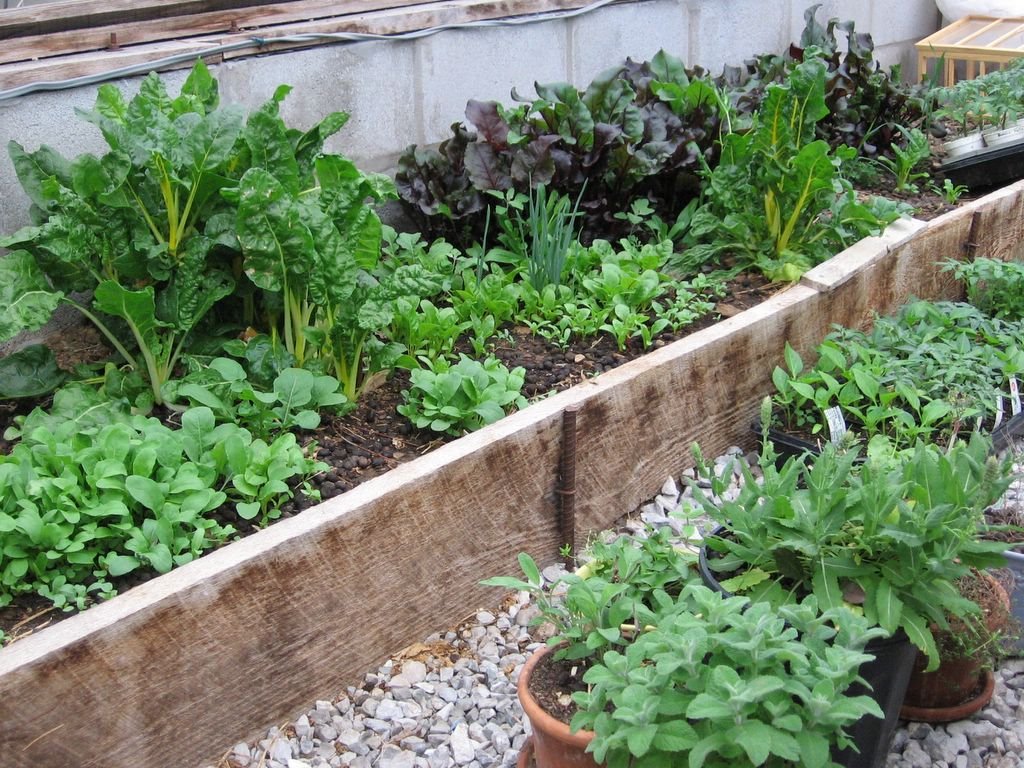
Inside the greenhouse on the first day of spring - FarmgirlFare.com
Things are greening up in the greenhouse!

Realization of the Day:
As much as I love lemon balm, it's probably time to stop its greenhouse spread (it's the stuff taking over the whole front left side).

I'm never one to discourage plants that actually want to grow (and usually embrace anything described as invasive because there's a chance it might actually do well here), but it's starting to take up valuable real estate. You can read more about lemon balm in this post: Lemon Balm: Growing It, Drying It, Using It.

Happy first day of spring! I never used to show you the entire inside of my greenhouse because it's usually kind of a mess. Thankfully I'm over that now. In fact, a while back I started taking pictures of this same view of the greenhouse interior on a regular basis (messes and all), so I could show you what goes on in there throughout the year.

More below. . .

Tuesday, November 29, 2011

Wondering What To Do with Swiss Chard? Favorite Recipes and Ways to Use My Favorite Garden Vegetable

Swiss Chard & Artichoke White Pizza (recipe here)

Realization of the Day:
It's time to start putting those seed orders together!

My Pinetree Garden Seeds catalog arrived last week, and I've already marked everything I want to order. I showed extreme self control, if I do say so myself. Of course this is just the first catalog of the season.

Since tomatoes are technically a fruit, that means Swiss chard is my number one vegetable in the kitchen garden. I've said it before and will no doubt say it again: If could only grow two things, they would be tomatoes and Swiss chard.

Swiss chard is extremely heat tolerant and cold tolerant, incredibly versatile (it can do everything spinach does and more), and easy to grow from seed. You can sow chard seeds directly in the garden or start them indoors, and it does exceptionally well when grown in containers.

I grow Swiss chard year round in my unheated greenhouse, which gets as cold as 2°F in winter and heats up to 128° in summer. When it gets below freezing, I cover the plants with floating row cover and old bedsheets and blankets.

More below. . .

Wednesday, January 07, 2009

Growing Cool Weather Fall Vegetables:
How to Harvest & Store Swiss Chard


Before Harvesting: Swiss Chard in the Greenhouse on 12/20/08


After Harvesting: By 1/4/09 the Plants are Already Growing Back

Never pull up a Swiss chard plant if you can help it! This easy to grow wonder green, for which I've become a rather loud champion, should not only be in every garden, but it should also always be there. Blistering heat, freezing cold, wet winter weather, dry summer days—delicious, nutrient-packed Swiss chard puts up with it all and just keeps putting out. Enjoy the young leaves in salads, or use the larger ones in place of spinach in nearly any recipe. The stalks make a delicious and colorful celery substitute.

In addition, Swiss chard is a cut-and-come-again vegetable, which means that one crop can literally supply you with bounty for months. Let some or all of your plants go to seed, and you'll be able to either start a new crop somewhere else or designate a permananent Swiss chard bed where the plants will keep re-seeding on their own. The plants above were direct seeded in early spring of 2008 and show no signs of stopping anytime soon.


Other Side of the Greenhouse Before Harvesting on 12/20/08


And Making a Comeback on 1/4/09

The Swiss chard plants in the two photos above are all volunteers that popped up last spring in the unheated and uncooled greenhouse, supplying me with fresh bounty through the summer despite it being a sweltering 120+ degrees on sunny days, and then into the fall as the thermometer dipped down into the teens. I draped floating row covers and old bedsheets over the plants on cold nights, which offer good protection for the plants but at the same time subjects them to being flattened by Sylvester the cat who likes to sneak into the greenhouse and curl up on them. We have 240 acres full of all sorts of cozy nooks and crannies and yet he insists on flattening my arugula (which is another easy-to-grow green no garden should be without). Good thing he's so cute.

The evening of the winter solstice found me frantically snipping back all of the Swiss chard plants in the greenhouse preparation of that night's forecast of 4 degrees with even colder temperatures the next night. To harvest, I simply grabbed the stems of each plant in my left hand and cut them off a few inches from the base with an inexpensive, large pair of scissors.

This is the same way I pick lettuce (which is also easy to grow) because not only does it leave the plants in the ground, allowing them to grow back, but it's also a lot less messy because you aren't pulling up any dirt. So even if I'm planning to clear out a bed, I still harvest this way and then later go back and rip out the cut bases of plants.


Swiss Chard Goes Beyond Green

I covered the trimmed plants in the greenhouse with sheets and blankets, put an electric space heater in there for the next two nights, and hoped for the best. All I have to do is keep the plants alive for the next month or so, and in February they'll take off and start providing me with baby leaves for salads long before anything else in the garden (except arugula, if I can keep Sylvester away from it) is even remotely ready to harvest.


This Little Sprout of Hope Might Grow Back Into a Monster

Worst comes to worst, the plants freeze to death and all I'm out is the time it took me to cover and uncover them each night. But as you can see, things are already looking quite hopeful. And they'll be looking a lot prettier if ever get around to cleaning up all the dead leaves in the bed. But don't hold your breath. This is when you tell yourself you're not being lazy, you're smothering potential weeds and amending the soil.


Warm Up with a Bowl of Swiss Chard Artichoke Soup

As for the several pounds of bounty I picked on the last day of fall, some of it went straight into a batch of this healthy and flavorful Swiss Chard & Artichoke Soup, which was inspired by my Hot Swiss Chard Artichoke Dip. The rest was put into plastic bags that I placed in a cooler on the covered porch off the kitchen because there wasn't room for them in the fridge. It's been over two weeks, and what's left is still looking fine. Freshly picked greens will last quite a while if kept cool and moist.

So if you haven't already, why not give Swiss chard a try in the garden this year? Even if you don't have a greenhouse, unless you live in the arctic you can probably keep a healthy crop alive for most, if not all, of the year.

Related posts:
How To Grow Your Own Swiss Chard From Seed & Why You Should
Hot Swiss Chard Artichoke Dip (and what else to do with Swiss chard)
Swiss Chard & Artichoke Soup
Healthy Swiss Chard Tuna Salad with Scallions & Kalamata Olives
Swiss Chard Cabbage Salad with Garbanzo Beans & Cottage Cheese

Is there anything growing in your garden right now?

© Copyright 2009 FarmgirlFare.com, the foodie farm blog where Farmgirl Susan shares recipes, stories, and photos from her crazy country life on 240 remote Missouri acre—and we're determined to make Swiss chard lovers (and growers!) out of as many people on the planet as we can.

Friday, October 12, 2007

What To Do With Swiss Chard: Hot Swiss Chard Artichoke Dip Recipe and Other Ways To Cook and Enjoy My Favorite Leafy Green

Chard art

November 2011 update: I share a great new way we enjoy Swiss chard in Wondering What To Do with Swiss Chard? Favorite Recipes and Ways to Use My Favorite Garden Vegetable. Hint: we love our powerful little $50 Waring juicer!

The best Swiss chard you'll ever eat is that which you grow yourself. Find out how easy it is in my post, How To Grow Your Own Swiss Chard from Seed & Why You Should.

While there are endless things you can do in the kitchen with Swiss chard, I have to admit that every year the vast majority of what I grow gets harvested very young and tossed straight into the salad bowl. But of course I eat a lot more salad than normal people.

The flavorful baby leaves are a wonderful stand-in for spinach and can be happily combined with just about any other salad green you can think of.

When I'm lucky, I have more Swiss chard in the garden than even I can eat in salad form. This happened early last spring when two dozen overwintered plants in the greenhouse came back to life with a vengeance.

One of the things I love about Swiss chard is how amazingly big the leaves can get, but when I step inside the greenhouse and feel as if I've suddenly been transported to Jurassic Park, it starts to get a little scary. That's when it's time to whack them down and hit them with some heat, because even the most enormous leaves will shrink down to practically nothing if you cook them.

It never ceases to amaze me that a bowl of bounty nearly too big to get through the door will fit inside a teacup once you cook it. The concentrated amount of nutrients that must be contained in that teacup is mind-boggling.

You'll find bunches of Swiss chard in supermarkets year-round, but freshness and quality can vary greatly. Peak season in most areas is from June through October, though in milder climates you often can find interesting varieties of just-harvested bounty at farmers' markets from early spring until late fall or even early winter. Look for crisp stalks with shiny, unblemished leaves.


Canary Yellow Swiss Chard in the homemade greenhouse last October

Wondering what to do with your Swiss chard? You can't go wrong if you sauté it with chopped fresh garlic in some nice olive oil. And by all means, don't forget the stalks. I chop them up and cook them in the oil until they're soft, then add the coarsely chopped leaves, covering the pan for the first minute or two.

You can add a smidgen of anchovy paste to the oil to coax out flavor (it won't add a fishy taste). Throw in a handful of chopped pancetta or proscuitto, and you'll probably receive a round of applause. A sprinkling of freshly grated Pecorino Romano might be considered over the top, but only by people who haven't yet tried it.

You can use Swiss chard (and many other greens) in place of spinach in virtually any recipe. Try it in lasagna, ravioli and quiche — or even your favorite stuffing. Toss it with pasta or add thin strips to stir-fried rice during the last few minutes of cooking.

Mix chopped fresh chard or kale into pizza sauce or scatter over homemade pizza before adding the cheese. Stir sliced leaves into soups, and slip steamed greens into scrambled eggs, omelets and frittatas. You can even steam Swiss chard stalks and eat them like asparagus.

Need more inspiration? You'll find all sorts of other scrumptious ideas in the comments section of this post. Many thanks to all the In My Kitchen Garden readers who responded to my request to share their favorite ways to eat Swiss chard. And you'll find links to more of my Swiss chard recipes at the bottom of this post.

Do you have a favorite Swiss chard recipe you'd like to share?


One of my favorite ways to enjoy Swiss chard is in this dip I created last spring. This addictive stuff goes well with practically anything: crackers, tortilla chips, toasted or untoasted sourdough baguette slices, fresh veggies, pita chips, even pretzels.

Don't be afraid to think beyond the dip bowl, either—try putting it on baked potatoes or using it in an omelet. I even like it cold.

Farmgirl Susan's Hot Swiss Chard Artichoke Dip Recipe
Makes about 3 cups

My version of the popular spinach artichoke dip is cooked on the stovetop instead of in the oven and uses chopped fresh Swiss chard leaves and stalks in place of frozen spinach, along with plenty of onion and garlic for extra flavor.

It tastes even better if you make it a day ahead and reheat it just before serving, either in the microwave or on the stovetop (you might need to add a splash of milk when reheating on the stove). You can use reduced-fat cream cheese and mayonnaise, as well as low-fat sour cream, if desired.

When I was creating the recipe, I used red Swiss chard for the initial batch, thinking the chopped stems would add nice bits of color. Instead I ended up with pink dip. It tasted great but looked like salmon spread, which might be confusing to eaters. If you're making it for yourself, go ahead and use whatever color chard you like.

1/4 cup olive oil
1 cup finely chopped onion (about 5 ounces)
4 to 6 cloves garlic, minced
1 bunch Swiss chard (about 12 ounces), leaves and stalks separated and both chopped into small pieces
1 14-ounce can artichoke hearts (packed in water), drained and rinsed, chopped into small pieces
4 ounces cream cheese (half of an 8-ounce package), softened
1/2 cup sour cream
1/4 cup mayonnaise
1½ cups finely grated Pecorino Romano (or parmesan) cheese (about 4 ounces)
2 teaspoons Worcestershire sauce
Salt and pepper to taste
Chopped scallions or chives for garnish (optional)

Heat the olive oil in a large pot. Add onion and chopped Swiss chard stalks and cook, stirring frequently, until soft, about 5 to 7 minutes. Add garlic and cook, stirring frequently, 2 minutes; do not let garlic brown.

Stir Swiss chard leaves and chopped artichoke hearts into onion mixture. Cover and cook, stirring occasionally, until chard is tender, about 5 minutes. (Remove lid for last few minutes of cooking if there is liquid in the pot.)

Stir cream cheese, sour cream, mayonnaise, Romano cheese and Worcestershire sauce into Swiss chard mixture and cook 10 to 15 minutes, stirring occasionally, until dip is hot and thick. Add salt and pepper to taste.

Serve warm, garnished with plenty of chopped scallions or chives, if desired.

Still have some Swiss chard left? You might enjoy these recipes:
Healthy Swiss Chard Tuna Salad with Scallions & Kalamata Olives
Swiss Chard Cabbage Salad with Garbanzo Beans & Cottage Cheese
Swiss Chard & Artichoke Soup

Swiss Chard & Artichoke 'White' Pizza

Can't survive on leafy greens alone? You'll find links to all my sweet and savory Less Fuss, More Flavor recipes in the Farmgirl Fare Recipe Index.

© FarmgirlFare.com, the chard crazy foodie farm blog where Farmgirl Susan shares stories & photos of her crazy country life on 240 remote Missouri acres.

Wednesday, September 26, 2007

How To Grow Your Own Swiss Chard From Seed & Why You Should

Fordhook Giant Swiss Chard in the homemade greenhouse last November.

Looking for Swiss chard recipes? Here are some of my favorites:
What To Do With Swiss Chard—Hot Swiss Chard Artichoke Dip Recipe & Other Ways To Cook & Enjoy My Favorite Leafy Green
Healthy Swiss Chard Tuna Salad with Scallions & Kalamata Olives
Swiss Chard Cabbage Salad with Garbanzo Beans & Cottage Cheese
Swiss Chard and Artichoke Soup

Swiss Chard and Artichoke 'White' Pizza

The year I turned 30, I had two friends who turned 60, and I took full advantage of the situation. "Save me some trouble," I said, "and tell me the most valuable thing you've learned in the last 30 years."

The first one offered up a piece of advice I've tried to abide by ever since. He said, "Be happy, not resentful or envious, when good things happen to other people." But it was seven words of wisdom from the second friend that truly changed my life: "Always plant Swiss chard in the garden."

Monday, December 18, 2006

What's Growin' On 12/18/06: December Greenhouse Green


Swiss Chard & volunteer arugula

Realization Of The Day:
Things are still green in the greenhouse—but they are no doubt pretty confused. That storm I wrote about on November 30th did sift a pretty layer of snow over the farm, though not the 5 to 9 inches that were predicted (which was just fine by me). And I was right about our wet weather creek—it started running after just one day of rain, which almost never happens.

Plenty of ice followed the snow, and it got very, very cold. Like 0°F (or maybe even lower—I stop checking the thermometer when it drops below about 10) kind of cold. And the power was out for about 21 hours.

My somewhat reliable digital thermometer I have tucked in a raised greenhouse bed recorded a low of 20 degrees in there. But thanks to floating row covers, old bed sheets and quilts, and a little oil-filled radiator heater*, nearly all of my plants survived.

They spent some time in the dark (when I didn't bother to uncover them) and the taller ones are a little flattened, but they're alive and that's all that really matters. (Click here for a list of everything that's still growing in the the greenhouse right now.)

Then it got hot. Okay, not exactly hot, but that's how 66° feels in the middle of December after you've just spent the past couple of weeks clomping around with constantly cold toes and three or four layers of clothing on. We've been breaking heat records left and right. It's mostly been cloudy, but when the sun does out, it heats up very quickly in the greenhouse.

I can only imagine what the plants are thinking.

* These oil-filled radiator heaters are perfect for greenhouse use as they are very safe, easily moved, hard to tip over, have variable settings as well as an automatic thermostat, cost about $50, and don't use much electricity.

I only use mine on the coldest of nights, and although the greenhouse plastic cover doesn't hold the heat all that well, I think those few extra degrees do make a difference. I set it at 600 watts, so it only costs about 5 cents an hour to run. And of course if the sun comes out during the day, it'll automatically turn itself off until the air cools down again.

We have four of these heaters because they're so handy. There's a newer one right next to me here in my little office that can be set to the exact temperature you like. I put it at 60 or 65 degrees, shut the door on very cold nights, and it stays toasty in here without pulling in heat from the adjacent living room where the wood stove (our main source of heat) lives.

We also keep one in the tiny insulated well house, again set on low, but also attached to a simple outlet timer. It goes on for several hours each night and keeps the water holding tank in there, as well as the pipes, from freezing.

© FarmgirlFare.com

Saturday, April 15, 2006

What's Growin' On: 4/15/06


Realization Of The Day:
Sitting inside one's greenhouse during a rainstorm has a wonderfully soothing effect - even if it does mean that all of your big transplanting plans for the day have been scrapped. And the once dry laundry on the clothesline is now soaked. That's okay. Just focus on the lulling sounds of the raindrops washing all those little thoughts away. And besides, we really need the rain.