Showing posts with label herbs. Show all posts

Thursday, April 21, 2011

Going Greek for Easter and Celebrating Earth Week in a Big Organic Way

I'm Giving Away a $520 Earth Dinner Package!

Greek Oregano in the Greenhouse - In My Kitchen Garden
Greek oregano going gangbusters in the greenhouse (the left side is shorter from harvesting).

Realization of the Day:
I think this just might be the Year of the Herbs in my garden.

The oregano, chives, lemon thyme, English thyme, sage, purple sage, and lemon balm are all doing great. My two little rosemary plants are a looking a little scrawny—no doubt due to my snipping them to within an inch of their life last fall in order to make just one more batch of White Bean Artichoke Dip with Rosemary, Romano, and Kalamata Olives—but I have high hopes for them. (You can read more about growing and using rosemary here.)

Fresh herbs from the garden are a low cost, low maintenance luxury. This time of year you can often find sturdy little herb seedlings for sale at nurseries and farmers' markets for about the price of those tiny packets of 'fresh' herbs at the supermarket. No garden space? No problem. Many herbs will thrive when grown in pots.

More below, including details on my biggest giveaway ever. . .

Sunday, August 15, 2010

Garden Journal 8/15/10: How To and, More Importantly, Hot Not To Store Fresh Basil

Basil Bouquet

Realization of the Day:
It's a lot easier to write off a garden disaster as a learning experience when it doesn't involve your entire crop.

The photo above illustrates one of the best ways to store fresh basil: in a fragrant little kitchen tabletop bouquet. Sweet looking, nice smelling, and obviously some very happy fresh cut herbs.

That's how I did things last year, when I had so much green and purple basil growing in the garden it kept bursting into bloom faster than I could use it up. This year I had a learning experience—with my one measly plant, which is why this post isn't called something chirpy like Hip Hip Hooray! It's Pesto Time Again! as was originally intended before the harvest.

Friday, May 28, 2010

Kitchen Garden How To: The Best Way to Store Fresh Parsley (and Other Herbs like Basil)

Parsley Bouquet in Rooster Glass 1
In a Kitchen Counter Bouquet!

Realization of the Day:
I often take parsley for granted, but if there isn't any growing in the garden I really miss it. It's just so versatile—and tasty. I love it in this Confetti Egg Salad Recipe I recently wrote about on Farmgirl Fare.

Like so many things, the very best place to store your parsley is out in the garden, still attached to the plant. But it won't stay out there indefinitely, maintaining its ready-to-pick state until you're actually ready to pick it. (Why do I always forget this basic rule of growing things?)

Tuesday, April 13, 2010

Perennial Herbs in Pots and Another Reason to Grow Your Own Greek Oregano: Garden Journal 4/13/10

Greek Oregano in the greenhouse
Newly sprouted Greek oregano is always a welcome spring sight.

Realization of the Day:
It's time to move this sun loving herb out of the greenhouse and back onto its cement pedestal in the garden where it lives most of the year.

Even before I was much of an herb eater, I grew my own—and dreamed of planting a gorgeous, formal herb garden (a dream that still sort of lives but will probably never see the sun). I don't know why, but there's just something about the words herb garden. Romantic, maybe? I do know that the first thing many beginning gardeners grow is herbs.

Saturday, June 20, 2009

Garden Journal 6/20/09:
Harvesting the First Green & Purple Basil of the Season (And the Best Ways to Store Your Fresh Basil)


It's Almost Too Pretty to Eat

Realization of the Day:
Freshly picked basil always feels like summer.

It's the longest day of the year today, and it's also the hottest—90 degrees in the shade (which is why I'm hiding in my little office with a fan blasting on me, writing about gardening instead of actually doing it). But even without the calendar and thermometer, I'd know that summer is about to begin because the fresh basil is ready.

I ordered all sorts of different kinds of basil seeds this year, and then I ended up buying some plants instead. This purple variety is Red Rubin, which the
Johnny's Select Seeds catalog says is a "vigorous Italian large leaf type with high yields and great flavor. Flat, 3" long leaves stand out horizontally, and are a copper-tinged purple color. Height 18"—24" and 76 days to harvest."

I'm pretty sure this is the mystery purple variety I grew last year that made such incredible pesto. The plants look similar, and many of the leaves have the same pretty green outline along the edges.

The green basil was grown and sold by a local gardener at the natural foods store in town. It was simply labeled 'sweet basil,' but at $2.00 for six healthy little plants I wasn't about to pass it up just because I have no idea what kind it is.

While Genovese basil is a favorite and dependable Italian variety for pestos, I prefer the Italian Large Leaf, which has a sweeter and less clove-like flavor. The tiny leaves of lemon and lime basil smell wonderful, and are a nice change from the norm, though I admit to never using them to their full potential.

One year I grew bush basil, and I ended up with about 20 adorable and perfectly shaped little mounds that made me think of hedgehogs. They do well in pots and a closely planted row of them would make a beautiful edging along a pathway or herb bed.

Since it's going to be a long, long time before I have any tomatoes in the garden (especially since five of my most recently transplanted seedlings fried up and died yesterday), I'll probably just turn this basil into my favorite pesto. Tonight we're grilling homegrown beef burgers that we'll serve on hunks of Four Hour Parisian Daily Baguettes (I love this easy bread!), and I'm thinking a pesto burger—smothered with a thick slice of fresh mozzarella perhaps—would be very nice. Or maybe I should wait for the tomatoes.

I actually picked this basil back on Wednesday, but after 72 hours in the refrigerator it still looks perfectly fresh. I rinsed the leaves under water and put them in a plastic bag with a paper towel. The paper towel will soak up extra moisture and keep the leaves from rotting while maintaining a high level of humidity in the bag. I gently pressed most of the air out of the bag and sealed it with a clothespin.

Some people claim that fresh basil will quickly rot in the refrigerator if the leaves aren't perfectly dry, but I find they do better when left a little damp. And as with lettuce and other greens, wilted basil leaves won't perk up in the refrigerator—you need to refresh them in a quick cold water bath first.

The best way to store fresh basil is of course to leave it on the plant until just before you're ready to use it. Harvesting often can actually benefit the plant since, as my gardening girlfriend Cynthia Sandberg at Love Apple Farm explains in this informative post, pinching your basil plants is the key to success.

One of our butcher lamb customers is an avid gardener, and she likes to keep a big bunch of basil in a pitcher of water on her kitchen counter. She says it lasts for quite a while that way, and sometimes the stems will even send out roots, creating new plants that can go back in the garden. I really need to try this.

Are you harvesting any basil yet? What are your favorite varieties—and what do you like to do with them?

Related posts:
9/21/06: How To Keep Your Basil Growing Into Fall
6/25/06: Beautiful Basil Seedlings in the Greenhouse
7/25/06: Volunteer Basil in the Kitchen Garden
8/10/06: Basil Gone Wild - and Happy Pollinators

Other Farmgirl Fare basil recipes and appetizers you might enjoy:
Purple Basil Pesto and the Easiest White Bean Dip/Spread Recipe Ever
Savory Tomato Pesto Pie with a No-Fail Biscuit Crust
Fresh Tomato Pesto Pizza & A Simple Tomato Salad
Fresh Tomato & Basil Whole Wheat Sourdough Bread
Simple Fresh Tomato Pizza Sauce (no blanching required)
The Easiest Greek Salad Ever
Colors of Summer Salad with Fresh Basil
Summer in a Bowl with Fresh Basil
Fiesta Cottage Cheese Veggie Dip
Hot Swiss Chard Artichoke Dip
How To Make Arugula Pesto & What To Do with It
All About Chives & How To Make Herbed Yogurt Cheese

© Copyright 2009 FarmgirlFare.com, the herb infused foodie farm blog where—oh gosh, look at the time—it's happy hour! Time to water the thirsty garden and pour myself a drink. Happy summer solstice!

Monday, June 16, 2008

Garden Journal 6/16/08: The First Fresh Dill of the Year


Quick Comfort Food - Salmon Patties with Garden Scallions & Dill

So what have I been doing for the past nine days besides eating scallions? Dealing with strawberry diseases and potato beetles, clearing weed-choked raised beds, still trying to get more pepper and tomato plants in the ground, wondering if this otherwise much needed late spring rain is ruining my gorgeous garlic crop, repotting my mail order French tarragon plants (which are doing great), and even starting a few heirloom cucumber and summer squash seeds in containers (because there's no unweeded room in the garden for them yet).

Oh yeah, and we've been putting up hay—an enormous, exhausting, sweat-drenched job that takes precedence over everything. It also happens to be one of my least favorite things to do on the farm — yep, I'd rather shovel out the sheep barn than bring in hundreds of bales of hay from the field and stack them in the barn. But it feeds our animals through winter, so it's worth it. At least that's what I keep reminding myself when I can barely get out of bed the next morning.

As for the all garden goings-on, I've been learning a lot, taking plenty of photos, and am hoping to get back to my newly revived regular posting schedule very soon. Meanwhile, a girl's still gotta eat, and last Friday we showcased the first dill from the garden in one of our quick comfort food standbys—salmon patties. These healthy burgers are easy, inexpensive (we use canned wild Alaska salmon) and delicious, and thanks to the dill and our beautiful bounty of scallions, Friday's were the best I've ever made. I'm headed back out into the hayfield now so I don't have a chance to post the recipe yet, but I'm mentioning it because I wanted to make note of the first dill harvest.

The nicest thing about dill—a cold-tolerant annual that is easy to grow from seed and is almost never bothered by pests—is that once you plant it, it almost always comes back year after year on its own. It isn't called 'dill weed' for nothing. I haven't had to buy dill seeds in years.

My only complaint is that my volunteer dill is always ready to pick well before I have any cucumbers, but gardeners getting something for nothing can't be choosy. You can dry your dill, and while the flavor isn't the same as fresh (and I wouldn't recommend using it for homemade pickles), it's a lot tastier than nothing come winter.

So what's your favorite thing to do with dill?

© Copyright 2008 FarmgirlFare.com, the award-winning blog where we also love adding dill to homemade beer bread and herbed yogurt cheese.

Wednesday, June 04, 2008

Garden Journal Entry 6/4/08:
Growing French Tarragon Again


Looks Like They Survived Their Cross Country Journey Just Fine

Realization of the Day:
This is the first time I've bought plants through the mail.

I'd actually forgotten I'd even ordered them until I arrived at the post office today and our postmistress handed me a small square box from my beloved Pinetree Garden Seeds in Maine.

Backordered seeds? I thought. And then I remembered - on a whim (and thrilled by the fact that they were only $3.98 each and there was no special shipping charge) I'd tacked two French tarragon plants onto my seed order back in March. But then a slight panic set in. I hadn't picked up the mail since last Friday. (They won't deliver our mail all the way out to the farm, and the post office is 10 miles away.) How long had they been sitting here, suffocating in a box without airholes or even a warning label that said Live Plants? (The postmistress will call and let me know if something marked 'perishable' or 'live' arrives.) Had I managed to inadvertantly kill them already?

Unable to rustle up a pocketknife, I anxiously tore open the box with the truck key and released my little live purchases from their captive darkness and immediately sprinkled them with a little water from the jug we always carry with us when we leave the farm. They seemed tired and a little peaked but otherwise fine. By the time I made it home they were already perking up. Now all I need to decide is if I should grow them in a pot or risk putting them in the ground. Hmmm. Maybe I'll tuck next to the rosemary, sage, and thyme in the greenhouse. Oh wait. I bought two - one for the ground and one for a pot. Duh. Or maybe it was one to live and one to accidentally murder.

Ordering plants by mail is exciting! Sure, I've bought strawberry starts and raspberry canes before, but they look more like little root wads and dead sticks than real live plants in real live pots of soil. Even asparagus roots are kind of on the dull side.

The label that came tucked in on of the containers cracked me up: French Tarragon - Sun - Unique Herb Robust Flavor - Harvest and Make Vinegar.

So have you ordered live plants before? What did you get? How did it go? And, more importantly, what do you like to do with French Tarragon? It's been so long since I've grown this perennial herb (and I can never get myself to buy those overpriced, usually sad-looking packets of 'fresh' herbs at the store) that I can't remember what I used to put it in.

© Copyright 2008 FarmgirlFare.com, the award-winning blog where Farmgirl Susan shares stories & photos of her crazy country life on 240 remote Missouri acres - and so far 2008 is turning out to be a very good year for herbs.

Sunday, March 09, 2008

Herbs In & Out Of The Garden: Tips For Growing & Using Rosemary


Rosemary thriving in the homemade greenhouse despite single digit temps.

This was supposed to be a quick post about one little plant in the greenhouse and a new lamb recipe on my food and farm blog, Farmgirl Fare, but somehow it turned into a rambling rosemary learning experience. Now if only I could get my rosemary to ramble this much.

It took me a long time to get up the guts to put a rosemary plant in the ground. I used to keep it in a pot - setting it out in the garden when it was warm, and then moving it into the greenhouse in fall.

When it started getting really chilly, I would bring the pot indoors and set it a few feet from the woodstove in the living room, next to the only available window that receives any measurable sunlight. Within days it would start happily putting on cheerful new growth, and then several weeks later it would die.

Each spring I would buy a new little rosemary plant and the cycle would begin again. This went on for years.

Finally two autumns ago I decided that I should take my chances and transplant my rosemary into one of the raised beds in my homemade, not airtight, and almost always unheated greenhouse instead of bringing it into The Shack. I was nervous, but I figured I had nothing to lose except my beloved little plant that I was planning to murder in a month or two anyway. So I did it. And boy am I glad that I did.


Fresh vs. dried rosemary - there's simply no comparison.

The little plant took off, and now I'm now able enjoy freshly picked rosemary all year long, even when there's snow on the ground. On winter nights I drape it with floating row cover, and when the temperatures really plummet I add an old bedsheet or lightweight blanket, held up off the plant with short sections of bamboo stakes. During the day I uncover it.

It's been as cold as 7 degrees F in there, and yet my rugged rosemary didn't even flinch.


I'm still not sure why I kept killing my rosemary plants in the living room; the gardening books and websites I looked at while working on the post make it sound like everyone except me is able to easily grow rosemary in pots both indoors and out. I know it's warm near the woodstove, but rosemary is a Mediterranean plant that loves heat.

This expert rosemary grower, however, says that when kept indoors rosemary prefers temperatures around 60 degrees. It's possible it was too close to the sometimes icy-cold window, or it might not have been getting enough sun. Or I may have watered it too much. Who knows.

I did relearn an important thing to keep in mind when growing anything in containers, and that is that even if you move them to a warm and sheltered spot, the roots are still much more susceptible to cold that they would be if they were buried in the ground.

A friend pointed this out when I called him last month for 9-1-1 herbal advice regarding the beautiful but now rather dead looking rosemary topiary I'd bought for myself last December after surviving an all day bakery building supply mission to Lowe's.

I assured him the plant hadn't frozen because it had been in the greenhouse and covered. But it was in a flimsy plastic pot that offered no protection from what I'd thought were tolerable temperatures. We learn by mistakes, and this year one of my goals is to stop killing rosemary.


Growing up I never cared for rosemary, despite the fact that we had an enormous rosemary bush in our Northern California backyard. But when I moved to the country and planted a large kitchen garden I was determined to grow it, along with several other herbs I never used, like sage.

There's just something so alluring about growing herbs, even if half of them are simply for show. After all, most gardens and landscaping are only for show.

I am trying to be a better herb eater, though, as evidenced my past pleas for help regarding
what to do with lemon thyme and purple basil. Anyway, somewhere along the line I fortunately developed a taste for rosemary, and now I love the stuff.


Fresh rosemary shines in these Herb Crusted Lamb Spareribs

I suppose this was inevitable since I raise sheep, and lamb and rosemary are a match made in culinary heaven. Unless we're quickly tossing some plain chops or leg steaks on the grill (it's so nice when your meat has enough flavor to stand on its own!), pretty much all the lamb we eat is has been seasoned with rosemary.

You'll find one of my favorite ways to combine rosemary and lamb (pictured above) in my recent post on Farmgirl Fare,
How To Cook Lamb: Onion & Herb Crusted Lamb Spareribs & Grilled Lamb Leg Steaks.

According to About.com: Gardening, the three fundamentals for successfully growing rosemary are: full sun (6 to 8 hours a day), good drainage, and good air circulation.

Rosemary doesn't require much attention, but to keep your plants from becoming scraggly you should prune them back hard after they flower in summer - just don't cut them all the way back to the old wood.


You can buy rosemary seeds, but germination of the best seed available is only around 20%. Instead, look for healthy, preferably organically grown plants at nurseries or natural foods stores. Or better yet, see if you can swipe some cuttings from a friend, then follow these easy instructions from Fine Gardening to root them.

My herb growing and bread baking pal Beth (aka kitchenMage), who lives in the Pacific Northwest where rosemary thrives, says she starts 50 to 100 rosemary cuttings each year and doesn't even bother using rooting hormone. If you're feeling particularly lazy, try plunking the cuttings in a glass of water and setting them on a sunny windowsill; there's a chance they'll develop roots.

Despite the fact that I grow several different types of basil, thyme, and mint, for some reason I've always thought of rosemary as just being rosemary. But of course it isn't.

From Creeping Rosemary, a tall ground cover that can cover eight to ten feet in diameter or trail down eight to ten feet from a second story balcony, to Blue Boy, that grows out only about 12 inches wide and rarely gets over six inches tall, to Shimmering Stars, a trailing rosemary with pink flower buds that open medium-blue to lavender and is great for making topiaries, there's sure to be a variety of rosemary out there to fit your every taste and space. You can read about several other types of rosemary
here and here (scroll down).

Easy Rosemary Focaccia 2 FarmgirlFare.com
Lamb burgers with rosemary, shallots, and feta on focaccia 'buns' (lamb burger recipe here and focaccia recipe here)

At least I was aware that rosemary has a life beyond lamb. This versatile, aromatic herb can be used in everything from salad dressings to sorbets. I made some scrumptious and easy rosemary focaccia recently (my first foray into focaccia!), and I created a separate category on del.icio.us just for rosemary recipes I hope to try someday.


This Pane di Ramerino (Italian Rosemary Raisin Bread) is another favorite way to enjoy rosemary.

Rosemary's usefulness extends far beyond the tastebuds, too. According to Rosemary Gladstar in her wonderful book, Rosemary Gladstar's Family Herbal: A Guide To Living Life With Energy, Health, And Vitality, "We've only begun to uncover the many uses of rosemary."

She goes on to say that this evergreen member of the mint family has long been renowned as a memory aid, produces a tonic effect on the nervous system, and is good for circulation. It also strengthens the heart and reduces high blood pressure.


According to Kitchen And Herb Gardener, an enormous beauty of a book by Richard Bird and Jessica Houdret, rosemary can be taken internaly as an infusion for colds, influenza, fatigue, and headaches, and can be applied externally in massage oil for rheumatic and muscular pain.

In addition, rosemary has been used for hundreds of years as a cosmetic herb for its benefical effects on the hair and skin. Infusions are used as rinses for dry hair and dandruff and added to bath lotions and beauty preparations.


You can include rosemary as part of an invigorating bath blend to help aching joints and tiredness, or when preparing a warm herbal footbath, which can help with headaches and mental stress. Its fragrance and texture also makes it excellent for use in potpourris and insect-repellent sachets.

Hmmm. It sounds like I need to add at least a few more rosemary plants to the garden. Don't worry - I'll be sure to let them know that murder isn't on the agenda.

So do you grow rosemary? How do you like to use it? If you've written about rosemary or shared a favorite rosemary recipe on your own blog, feel free to leave a link to your post in the comments section.

© FarmgirlFare.com, the greenthumb foodie farm blog where we figure that if you're gonna go to the trouble grow it, you might as well be able to eat it.

Tuesday, June 06, 2006

What's Growin' On: 6/6/06


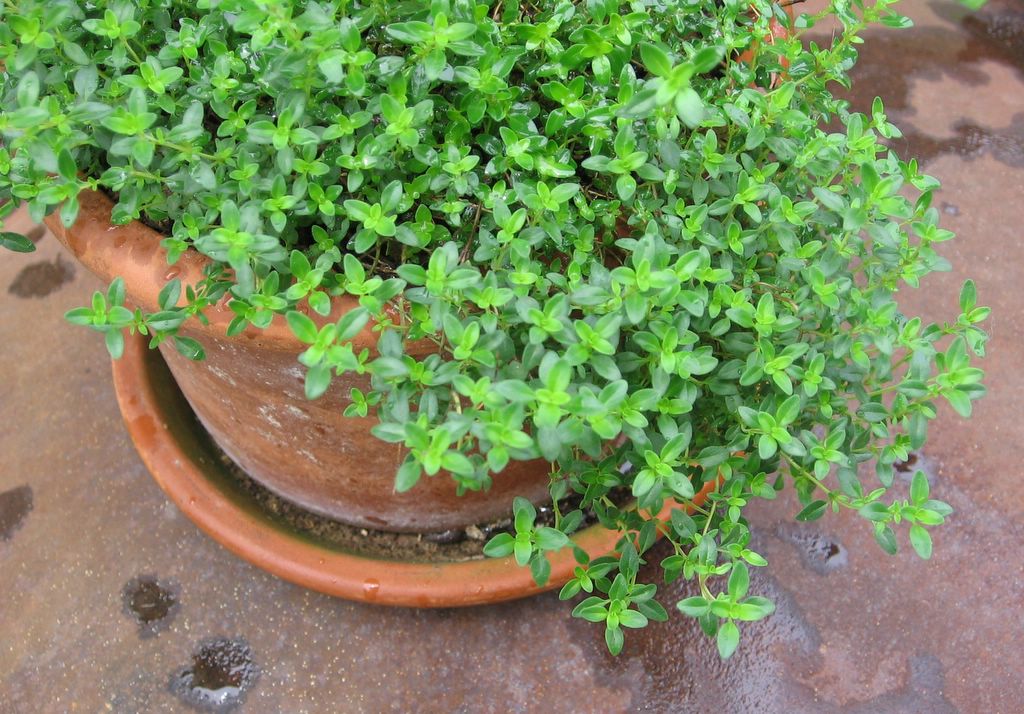
Lemon Thyme

Realization Of The Day:
Some of the culinary herbs in my garden never actually make it into the kitchen--and it isn't because they die on me (okay, sometimes it is). But take this lemon thyme, for example. It's flourishing--and I have no idea what to do with it.

Any suggestions?

Minding The Moonsigns:
Today through Friday are fertile days in the second quarter. Don't know what this means? Click here to read my review of Louise Riotte's fascinating book, Astrological Gardening: The Ancient Wisdom of Successful Planting & Harvesting by the Stars.

Miscellaneous:
--Several weeks ago Fancy Free asked whether grass clippings used as mulch should be allowed to dry out first. This led to a little research on my end, and an informative article that is about 2/3 completed. I realize that she is probably still wondering about the answer to her simple question though, so until I get the article posted, here's what I learned:

Although I've used grass clippings in every stage from freshly cut to dried for several days, the popular opinion seems to be that you should let them dry out before applying them as mulch in the garden. Why? I'll explain that in the article. Thanks for your patience, Fancy Free.

--People often ask me how I find enough time to tend to the farm, garden, three blogs, and life in general. When things get really busy around the farm, I don't. And, for obvious reasons, the blogs get nudged toward the bottom of the priority list. This is one of those times. Bear with me, I should be back to more blogging soon.

Saturday, May 20, 2006

What's Growin' On: 5/20/06


Realization Of The Day:
The mint is on the loose! This is really not such a bad thing, though I did think it would stay contained in my cleverly-recycled-hunk-of-tree-stump planter. I know, I know. Ha ha ha ha, you are thinking. What an idiot. This is MINT for crying out loud. But you must remember, I am the same girl who, just last month, actually thought I'd somehow killed this very same mint over the winter. Okay, you can stop laughing now.

Anyway, the good news is that this runaway mint is apparently very happy in a spot where nothing else except extremely brave weeds will grow, as it can be accessed and attacked by cats, dogs, and even sheep. It'll be a small miracle if it survives, but I hope it does. I'm looking forward to having the only sheep around with minty fresh breath.

Monday, April 17, 2006

4/17/06 Garden Journal: Lemon Balm: Growing It, Drying It, Using It


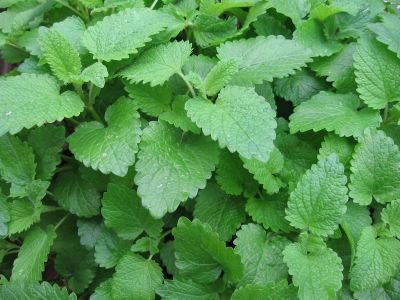
Growing perennial medicinal herbs: Lovely lemon balm in the homemade greenhouse

Realization Of The Day:
This is the best looking lemon balm I've ever grown.

For the most part, my herbs never do nearly as well in pots as they do in the ground, which is where I've been planting (and replanting) my lemon balm for years. It often disappears over the winter.

Since lemon balm is easily started from seed, this was not such a big deal. But now that I've finally figured out the secrets (grow it in pots that are overwintered in the greenhouse and fertilize with plenty of sheep manure tea) I see a bit of extra time on my hands—and some newly available space in the garden.

I did spot one fairly good looking specimen coming to life in what I am now referring to as the echinacea bed today, so perhaps I'm wrong, and this is just a good year for lemon balm. No matter what, the stuff in the pot looks fantastic.

A little bit about lemon balm:
According to the wonderful book Rosemary Gladstar's Herbal Recipes for Vibrant Health: 175 Teas, Tonics, Oils, Salves, Tinctures, and Other Natural Remedies for the Entire Family (400 pages; paperback; just $11.53 at amazon.com), lemon balm (Melissa officinalis) is a beautiful and fragrant member of the mint family and one of nature's best nervine herbs. Lemon balm's leaves and flowers contain volatile oils, tannins, and bitters that have a definite relaxing, antispasmodic effoct on the stomach and nervous system. It is excellent for stomach distress and general exhaustion and can be used as a mild sedative and for insomnia.

Applied topically, lemon balm has been found to be helpful for herpes. It is often made into a cream for this purpose, though I find that the tincture works as well, and the essential oil is the treatment of choice in European countries.


Fresh lemon balm is most effective for medicinal preparations. It makes a delicious tea and can be served with lemon and honey throughout the day to alleviate stress and anxiety. For a delicious nervine tonic, blend equal amounts of lemon balm, oats, and chamomile.

Making a pot of lemon balm tea requires nothing more than picking a handful of fresh leaves and pouring boiling water over them; steep in a teapot or covered cup so the beneficial elements do not escape with the steam. I also like to toss a few leaves in with other types of tea, like the Celestial Seasoning's Tension Tamer I've been drinking for 25 years.

It's also easy to dry your own lemon balm. Since our high humidity most of the year often inhibits successfully drying herbs, I usually wait until the colder months to preserve my harvest. I simply put the lemon balm in a brown paper bag, seal it with a clothespin, and place it on a high shelf near the woodstove in the living room.

The best time to harvest most herbs, including lemon balm, is early in the morning when the oil levels in the leaves are highest.

You can even add lemon balm to baked goods, though I have yet to try this. My favorite thing to do with it? Pinch off a few leaves, rub them between my fingers, and inhale deeply. So lemony, so calming, so lovely.

Miscellaneous Goings On In The Garden:
--Potatoes survived that last frost and are re-sprouting through the thick layer of sheep manure/shredded hay mulch I gave them.

--No sign of mache seeds sprouting in raised bed with kohlrabi. Need to clear out healthy weed crop and replant something else there.

--No sign either of Lutz Winter Keeper beets and Amish Deer Tongue lettuce companion planted in the onion plot. (Not surprising about the lettuce, as I recently realized these were the same 2004 seeds that didn't come up when I started them indoors. Despite what many authorities say, I find that lettuce seeds rarely last more than one year.) Weeds are coming up well instead. Need to decide if I want to sow other seeds or just mulch between the onion rows with grass clippings like I usually do.

--Raspberries canes are leafing out nicely. Seem to get greener by the hour.

--Did a brief dig into the thick grassy weeds looking for boysenberry life. Didn't find any yet. Think raspberries are my best bet for berries here. Well, them and. . .
--Strawberry blossoms popping up all over!

--10 San Marzano tomato plants seem happy in their new bed (that 11th one is definitely dead).

--Big pot of sage in greenhouse is about to flower (know I should pinch off blooms, but they're so pretty, and I hardly use sage anyway)

--Chive blossoms are already poking out.

Need To (A partial, ongoing, never ever going to be completed list):
—Start some basil seeds! (click here for all my basil growing posts, and click here for my Homemade Italian Sausage Recipe with fresh basil, oregano, garlic, and fennel seeds, plus links to all of my basil growing posts at the bottom of the page)
—Get to that neglected asparagus bed—and fast.

Coming Up: These new posts are now up!
Lettuce and Arugula in the Garden: Salads For Those Who Are Short on Time, Space, & Sunshine
Spring Green Garlic: Growing It, Cooking with It, Loving It, plus a Recipe for Easy Green Garlic Fettuccine
Growing Dragon Langerie (Dragon Tongue) Bush Beans: of my favorite heirloom bush beans. I'll be planting my first crop of beans on the fertile days in the next first quarter (April 28th, 29th, May 2nd, 3rd, & 4th). Will you?

© FarmgirlFare.com