Showing posts with label basil. Show all posts

Monday, May 21, 2012

Picking Basil, Planting Peppers, Loving Lettuce and More: Garden Update 5/21/12

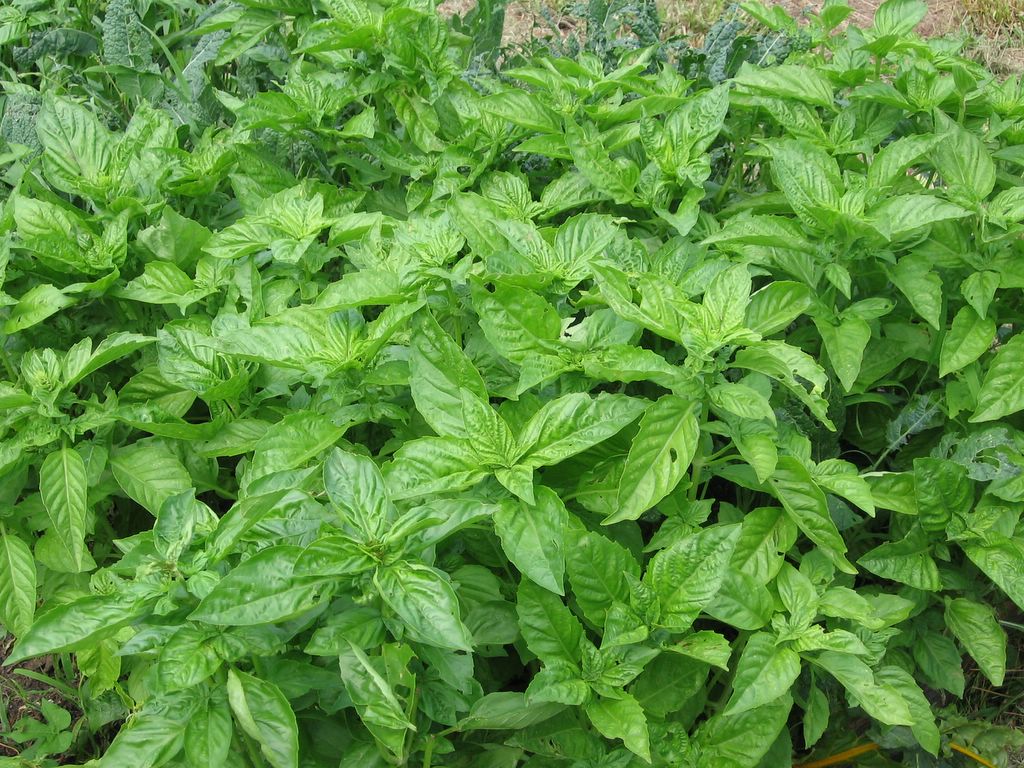
Lots of beautiful basil from just two plants (I love these $10 take apart shears).

Want to see more of my garden? The new weekly Friday Farm Fix series on Farmgirl Fare usually includes lots of kitchen garden photos.

Realization of the Day:
Eating from the garden makes everything taste better, even if your harvest is just a sprinkling of chives or a handful of parsley.

There isn't a whole lot of bounty in the garden yet, but during the past week we enjoyed plenty of beautiful (and big!) salads, as well as chopped green onions on just about everything. If all goes well, it won't be long before I'm digging up the first new potatoes, harvesting the garlic, and picking my favorite Dragon Langerie (also called Dragon Tongue) beans. And the arugula and Parris Island cos lettuce are almost ready to start thinning and tossing into salads.

The weather has been crazy hot and way too dry (thanks to my super lightweight Water Right garden hoses I no longer dread watering the garden!), but we did finally get a little rain yesterday. Just about 4/10ths of an inch, but I'll take it. At least it settled all the dust.

Like what you see growing in my garden? The links included below can help you grow the same things in yours.

Into the kitchen during the past week:
Chives (Learn how to grow chives here, plus my easy herbed yogurt cheese recipe.)
Green onions and spring onions (read about why I now grow onions from purchased plants here)
Italian flat leaf parsley (here's the best way to store fresh parsley)
Lettuce (I picked the entire 4'x8' bed of my favorite Rocky Top Lettuce Mix from Baker Creek before it all went bitter from the heat; learn how to grow your own gourmet lettuce from seed here).
Red Russian kale (from a couple of last spring's plants; photo below)
Swiss chard (amazingly heat and cold tolerant; learn how to grow Swiss chard from seed here)
Tuscan kale (also called Lacinato kale, dinosaur kale, and Nero di Toscana cabbage; one enormous plant direct seeded last fall)

And into the garden:
Four Golden California Wonder sweet pepper plants (purchased; tips for planting and growing peppers here)
Five Roma tomato plants (four purchased, one volunteer from last year I'd dug up and put into a small container)
Eight eggplant plants (purchased; the tag just says 'classic' which cracks me up)

I have several more varieties of tomato plants that still need to go into the ground (both purchased and started from seed), another four Golden California Wonder pepper plants (purchased), and a bunch of leggy little purple basil seedlings I grew from seed that desperately need to be transplanted into individual plugs (I think they're still too small to go straight into the garden, especially with this heat).

I'm also hoping to plant some more green bean seeds and am wondering if I should try direct seeding some cucumber seeds this time, since the soil is plenty warm and my first two attempts at starting them in flats (including 4 different varieties of all brand new seeds) yielded nothing for some reason. I don't think I've ever had trouble sprouting cucumber seeds before. The basil, calendula, and zinnia seeds didn't do squat either.

Twelve more garden photos below. . .

Tuesday, December 06, 2011

Take-Apart Shears: The Perfect $10 Stocking Stuffer for Gardeners and Cooks

Growing and harvesting green and purple basil in the kitchen garden 1 - FarmgirlFare.com
Harvesting basil in the June kitchen garden with my new favorite scissors.

Realization of the Day:
A few months ago, I wrote a long post about pesto and my 2011 banner basil crop, put a bunch of photos together, and then never got around to actually publishing it all. Here's the short version: That bad luck with basil I had in May? It eventually turned out to be really good. Like well over 5 pounds of basil from 10 plants good. Yes! (You'll find all my basil growing posts here.)

Realization #2:
There's nothing like a little early December snowstorm to remind you of just how much you took all that fresh basil for granted.

When I was getting ready to post my Holiday Gift Ideas for Bakers and Cooks: 16 Favorite Kitchen Essentials (Most Under $25) this year, Joe asked me if I had added anything new to the list. I said no, I'm still loving and using all the same great stuff. But I was wrong. I'd forgotten about my new scissors (and my awesome Oxo food mill).

I bought these Fiskars Take-Apart Softgrip Garden Shears ($10.15) back in early spring, and hardly a day goes by when I don't use them at least once in the kitchen or garden.

They're called herb & veggie garden shears on the package, but Fiskars also makes identical, general use take-apart shears without the softgrip, and that link is full of glowing reviews from people who use theirs to cut up everything from plastic blister packages and fabric to the fins off fish (some of them for over 20 years).

I probably have a dozen pairs of cheap scissors scattered around the farm that I've used for pretty much anything you can think of over the years (I love scissors!), but now these are the the ones I always want to reach for.

The stainless-steel, serrated blades are heavy duty and sharp, but of course what's best about them is that they quickly come apart for easy and thorough cleaning. How cool is that? You can even put them in the dishwasher.

If there are gardeners and cooks on your holiday list, these dandy $10 take-apart shears are sure to be a useful, long lasting, and much appreciated gift. If you're buying them for yourself and you don't live alone, you might want to order an extra pair. In fact, I think this is just what my hunky farmguy needs in his stocking this year—maybe with his name written on them.

© FarmgirlFare.com, where it's never too early to start planning (and dreaming about) next year's bumper basil crop.

Wednesday, May 04, 2011

Garden Journal 5/4/11: Bad Luck with Basil and Some Basil Growing Tips

Love basil? You'll find links to all of my previous basil posts, as well as my favorite basil recipes, at the end of this post.

Things are looking pretty bad in the basil department.

Realization of the Day:
It's starting to feel like somebody up there doesn't want me making any pesto this year—which sounds better than saying I'm an idiot with a pathetic memory.

Bad things happen to good gardeners; that's just the nature of gardening. But this is starting to get annoying. Three basil strikes by the fourth of May—and basil is one of my few never fail crops. I mean never fail. Basil always does well in my garden. Until now.
More below. . .

Sunday, August 15, 2010

Garden Journal 8/15/10: How To and, More Importantly, Hot Not To Store Fresh Basil

Basil Bouquet

Realization of the Day:
It's a lot easier to write off a garden disaster as a learning experience when it doesn't involve your entire crop.

The photo above illustrates one of the best ways to store fresh basil: in a fragrant little kitchen tabletop bouquet. Sweet looking, nice smelling, and obviously some very happy fresh cut herbs.

That's how I did things last year, when I had so much green and purple basil growing in the garden it kept bursting into bloom faster than I could use it up. This year I had a learning experience—with my one measly plant, which is why this post isn't called something chirpy like Hip Hip Hooray! It's Pesto Time Again! as was originally intended before the harvest.

Saturday, June 20, 2009

Garden Journal 6/20/09:
Harvesting the First Green & Purple Basil of the Season (And the Best Ways to Store Your Fresh Basil)


It's Almost Too Pretty to Eat

Realization of the Day:
Freshly picked basil always feels like summer.

It's the longest day of the year today, and it's also the hottest—90 degrees in the shade (which is why I'm hiding in my little office with a fan blasting on me, writing about gardening instead of actually doing it). But even without the calendar and thermometer, I'd know that summer is about to begin because the fresh basil is ready.

I ordered all sorts of different kinds of basil seeds this year, and then I ended up buying some plants instead. This purple variety is Red Rubin, which the
Johnny's Select Seeds catalog says is a "vigorous Italian large leaf type with high yields and great flavor. Flat, 3" long leaves stand out horizontally, and are a copper-tinged purple color. Height 18"—24" and 76 days to harvest."

I'm pretty sure this is the mystery purple variety I grew last year that made such incredible pesto. The plants look similar, and many of the leaves have the same pretty green outline along the edges.

The green basil was grown and sold by a local gardener at the natural foods store in town. It was simply labeled 'sweet basil,' but at $2.00 for six healthy little plants I wasn't about to pass it up just because I have no idea what kind it is.

While Genovese basil is a favorite and dependable Italian variety for pestos, I prefer the Italian Large Leaf, which has a sweeter and less clove-like flavor. The tiny leaves of lemon and lime basil smell wonderful, and are a nice change from the norm, though I admit to never using them to their full potential.

One year I grew bush basil, and I ended up with about 20 adorable and perfectly shaped little mounds that made me think of hedgehogs. They do well in pots and a closely planted row of them would make a beautiful edging along a pathway or herb bed.

Since it's going to be a long, long time before I have any tomatoes in the garden (especially since five of my most recently transplanted seedlings fried up and died yesterday), I'll probably just turn this basil into my favorite pesto. Tonight we're grilling homegrown beef burgers that we'll serve on hunks of Four Hour Parisian Daily Baguettes (I love this easy bread!), and I'm thinking a pesto burger—smothered with a thick slice of fresh mozzarella perhaps—would be very nice. Or maybe I should wait for the tomatoes.

I actually picked this basil back on Wednesday, but after 72 hours in the refrigerator it still looks perfectly fresh. I rinsed the leaves under water and put them in a plastic bag with a paper towel. The paper towel will soak up extra moisture and keep the leaves from rotting while maintaining a high level of humidity in the bag. I gently pressed most of the air out of the bag and sealed it with a clothespin.

Some people claim that fresh basil will quickly rot in the refrigerator if the leaves aren't perfectly dry, but I find they do better when left a little damp. And as with lettuce and other greens, wilted basil leaves won't perk up in the refrigerator—you need to refresh them in a quick cold water bath first.

The best way to store fresh basil is of course to leave it on the plant until just before you're ready to use it. Harvesting often can actually benefit the plant since, as my gardening girlfriend Cynthia Sandberg at Love Apple Farm explains in this informative post, pinching your basil plants is the key to success.

One of our butcher lamb customers is an avid gardener, and she likes to keep a big bunch of basil in a pitcher of water on her kitchen counter. She says it lasts for quite a while that way, and sometimes the stems will even send out roots, creating new plants that can go back in the garden. I really need to try this.

Are you harvesting any basil yet? What are your favorite varieties—and what do you like to do with them?

Related posts:
9/21/06: How To Keep Your Basil Growing Into Fall
6/25/06: Beautiful Basil Seedlings in the Greenhouse
7/25/06: Volunteer Basil in the Kitchen Garden
8/10/06: Basil Gone Wild - and Happy Pollinators

Other Farmgirl Fare basil recipes and appetizers you might enjoy:
Purple Basil Pesto and the Easiest White Bean Dip/Spread Recipe Ever
Savory Tomato Pesto Pie with a No-Fail Biscuit Crust
Fresh Tomato Pesto Pizza & A Simple Tomato Salad
Fresh Tomato & Basil Whole Wheat Sourdough Bread
Simple Fresh Tomato Pizza Sauce (no blanching required)
The Easiest Greek Salad Ever
Colors of Summer Salad with Fresh Basil
Summer in a Bowl with Fresh Basil
Fiesta Cottage Cheese Veggie Dip
Hot Swiss Chard Artichoke Dip
How To Make Arugula Pesto & What To Do with It
All About Chives & How To Make Herbed Yogurt Cheese

© Copyright 2009 FarmgirlFare.com, the herb infused foodie farm blog where—oh gosh, look at the time—it's happy hour! Time to water the thirsty garden and pour myself a drink. Happy summer solstice!

Saturday, September 22, 2007

What's Growin' On 9/22/07: Packing Back Up The Polarfleece & Putting Purple Basil To Good Use


No Worries Yet For This Cold Intolerant Purple Basil

Realization Of The Day:
Mother Nature is a tease.

Or maybe she's simply bored and figured she'd have some laughs by torturing us here in Missouri. All I know is that our recent little cold snap was a very false alarm.

Last Saturday morning it was 40 degrees. As someone who would be perfectly thrilled if the temperature never again went above 70, I celebrated by diving into a tub labled 'polarfleece,' emerging triumphantly with a cozy pullover and the lime green pajama pants decorated with sheep and stars that my mother once gave me for Christmas. (The Shack is not equipped with closets, so we live out of stacks and stacks of large plastic containers.) I flung a giant polarfleece blanket on the bed, slipped on thick fuzzy socklets, and dusted off the teakettle. While my first cup of hot tea in months sat steeping, I wondered if I had enough clear plastic sheeting to cover the several raised beds I'd just seeded with fall crops so the soil would stay warm enough for the seeds to germinate.

Then it heated back up. By mid-afternoon Sunday I'd convinced myself there was no ignoring summer's return, and that sweating to death in a cotton turtleneck out of protest wouldn't do any good. I reluctantly changed into a tank top, made some iced tea, and stuffed all the polarfleece back into their bins. Today's forecast predicted a high of 89 degrees.

The good news is that most of the seeds I planted have already sprouted. I even bothered to write down what I planted where. (I'll post a complete list in the next few days.) And, as Joe correctly pointed out, just a couple of sweltering weeks ago I would have been thrilled to hear that it was only supposed to be in the upper 80s.

As for this striking purple basil plant, it's no longer draped with a floating row cover to protect it from the cold and will probably be safe outside for at least another week or two. The green basil surrounding it was turned into my favorite pesto a few weeks ago, though I did follow my own advice and left the stripped plants in the ground. The purple basil is ready to be picked now, but, as pathetic as this sounds, I'm not sure what to do with it. I love fresh basil in all kinds of dishes, and I love the color of these leaves, especially how they're outlined in green, but the thought of blackish purple basil pesto--or blackish purple basil anything for that matter--just doesn't seem appealing.

A friend suggested I make basil vinegar with it. You fill a large jar with half white vinegar, half cider vinegar, then stuff it with purple basil and let it steep for a week. Strain it and pour the resulting gorgeous magenta vinegar into a pretty bottle with a few sprigs of fresh basil. That sounds nice, but I'm not sure what I'd do with it. I'm really not very creative when it comes to using herbs in the kitchen. I also never use white vinegar, preferring white balsamic instead, which I suppose would work, too. It would certainly be nice to look at sitting on a kitchen shelf, but she says you need to store the vinegar in a dark place in order for it to retain its color.

So help me out here. If you had a beautiul purple basil plant in your garden, or a bottle of magenta basil vinegar in your pantry, what would you do with them?

© 2007 FarmgirlFare.com, the award-winning blog where Farmgirl Susan shares stories & photos of her crazy country life on 240 remote Missouri acres.

Sunday, September 16, 2007

Another Less Fuss, More Flavor Recipe: The Easiest Greek Salad Ever


This beautiful summer salad is so full of flavor it doesn't even need dressing.


The way I cooked, ate, bought, and even thought about food all changed dramatically when I left urban Northern California for rural Missouri 13 years ago. Most of this was a direct result of space and availability. Moving from a 900 square-foot cottage with a postage-stamp sized yard to a couple of hundred acres meant there was space for a large kitchen garden, space for chest freezers, space for animals to graze.

Availability was a different story. Relocating from one of the undisputed gastronomic capitals of the world to the middle of nowhere in middle America meant that a lot of food purchasing options disappeared. Order Chinese take-out or have a pizza delivered? Neither. Dash to the store for proscuitto, kohlrabi, sherry wine vinegar? Forget it. Buying parsley or cilantro means 80 miles of driving. One learns to adapt.

My food philosophy these days can pretty much be summed up by the phrase Less Fuss, More Flavor. And what that simply means is this: the better your ingredients, the less you have to mess with them.

Of course some might argue that growing two dozen types of salad greens or putting up 100 pounds of tomatoes or raising your own lamb and beef constitutes a fair amount of fuss. But the nice thing is that if you start with the best, then at the end of the day when you're tired and sore and starving to death, a meal fit for even the most gourmet gourmand can be ready in a snap.

A typical late summer dinner for us might include grilled lamb chops or lamb leg steaks (I love these!), the last of the French filet beans in the garden, and some freshly dug Yukon Gold potatoes (because the best way to store your potatoes is to leave them in the ground). Now sure, you could marinate the lamb for hours with garlic and fresh herbs and all sorts of other delightful stuff, make the delicious sounding but 4-step Warm Green Bean, Pancetta & Tomato Salad with Parmesan in the issue of Fine Cooking I had sitting on the kitchen counter for months (but never actually made), and turn the potatoes into some gorgeous, creamy gratin. But the point is, you don't have to.

More often than not, the lamb gets tossed straight onto the grill, and the beans and potatoes are cooked up (steamed just until tender and boiled, respectively) and served with nothing more than a little organic butter and some nice salt and pepper. Less Fuss, More Flavor allows you to be lazy in the kitchen—without anyone ever realizing it.

A crusty loaf of homemade crusty bread (I always bake three or four loaves at a time and freeze them) and an heirloom tomato salad round things out. Except for a platter of plain sliced tomatoes, which often appears at our table, you can't get much simpler than this bare bones Greek style salad.

So what's your favorite Less Fuss, More Flavor recipe?

Farmgirl Susan's Simplest Greek Salad
Serves at least one

This pared-down version contains just five ingredients, so using the finest of each is of utmost importance. Juicy, vine-ripened tomatoes are the key, which means this is a Summer Only recipe. Stuff yourself silly on it now, and let the memories keep you satiated through the rest of the year.


Most Greek salads call for various other ingredients, some traditional and some not. Everybody seems to have their own favorite version. I used to add olive oil and vinegar but don't bother anymore. I've listed several optional additions below, though none are necessary. I didn't even put salt & pepper in the batch pictured here, though I did add a large handful of chopped flat-leaf parsley.

If you're a nibbler like me, bear in mind that the more complicated the recipe gets, the longer you'll have to fill yourself up while putting it together. Many Greek salad recipes call for cutting the vegetables into large pieces, but I like them on the small side because I'm one of those people who wants a taste of every thing in every bite.

Garbanzo beans (chickpeas) aren't traditional, but I'm addicted to them and will toss them into practically anything when I'm not snacking on them straight from the can (I do rinse them first). Flavorwise, they fit right in here, and they give the salad a fiber and protein boost as well, which can be important if this ends up being your entire meal, like it was for me tonight.

Organic garbanzo beans are a bargain and should be a staple in everyone's pantry. You can find them in many places for under a dollar a can, including at Whole Foods Market, where they'll give you an extra discount if you stock up and buy a dozen cans at a time.


One large cucumber, cut into dice
Several vine-ripened tomatoes, preferably freshly picked, organically grown heirlooms (a variety of colors is nice), cut into small chunks
A handful of kalamata olives, pitted and coarsely chopped
A generous handful of fresh basil, chopped
A hunk of the nicest feta cheese you can find, preferably made from sheep's milk
Splash of brine from the olives or feta

Optional additions:
Garbanzo beans (chickpeas)
Salt & pepper to taste
Olive oil
Your favorite vinegar
Fresh lemon juice
Fresh garlic
Fresh oregano
Flat-leaf parsley
Anchovies, laid on top or a smidge of anchovy paste mixed in
Capers
Red onion
Sweet red peppers
Green bell peppers

Place cucumber, tomatoes, olives, basil, and half the feta cheese (crumbled) in a large bowl along with any desired additional ingredients. Gently toss with a large spoon until combined. Sprinkle with remaining feta cheese just before serving. Alternatively, you can whisk together an olive-oil based dressing and then toss it with the rest of the ingredients.

This salad tastes best if you mix it up and then let it sit for an hour or two at room temperature so the flavors can mingle, but it's delicious even in the making, which is of course how I always eat it.

Tomatoes lose their flavor when refrigerated, so don't make enough for leftovers—just mix up another batch.

Still have more tomatoes left? You'll find links to all my Less Fuss, More Flavor tomato recipes at the end of this post.

© FarmgirlFare.com, the freshly picked foodie farm blog where Farmgirl Susan shares recipes, stories, & photos of her crazy country life on 240 remote Missouri acres—and we never get tired of tomatoes, though each summer we try our very best.

Thursday, September 21, 2006

What's Growin' On 9/21/06: How To Keep Your Basil Plants Growing Into Fall

Don't Cut Your Basil Season Short


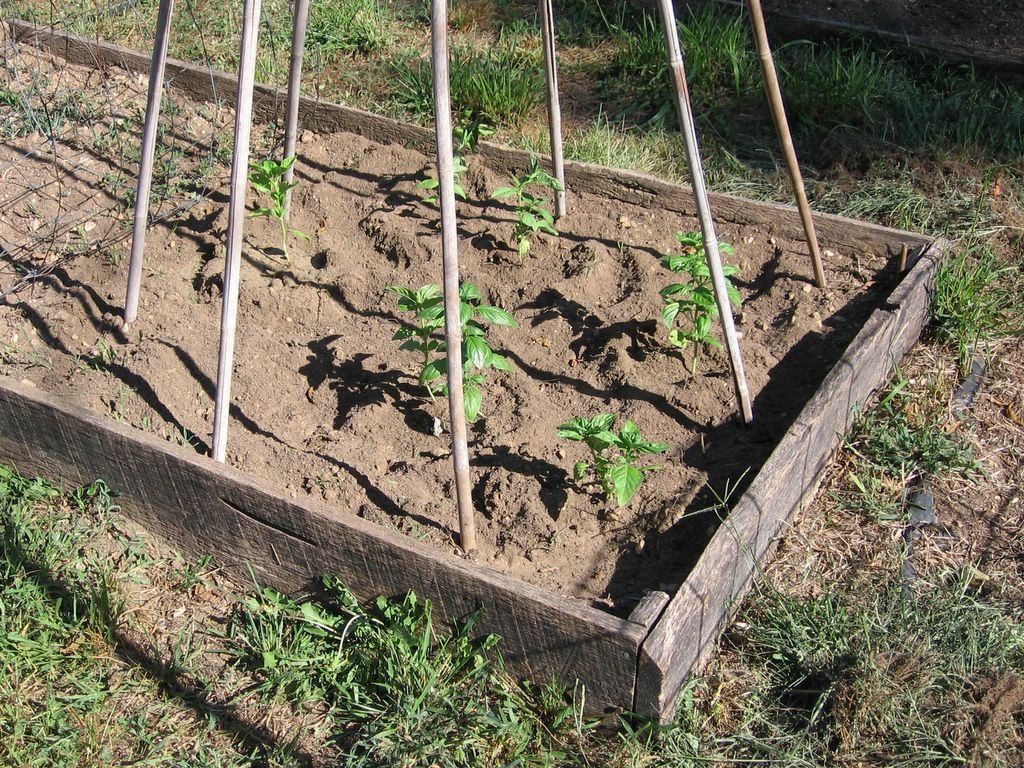
Volunteer Basil On August 8th
(Those bamboo stakes form a teepee for some pole beans that never popped up.)


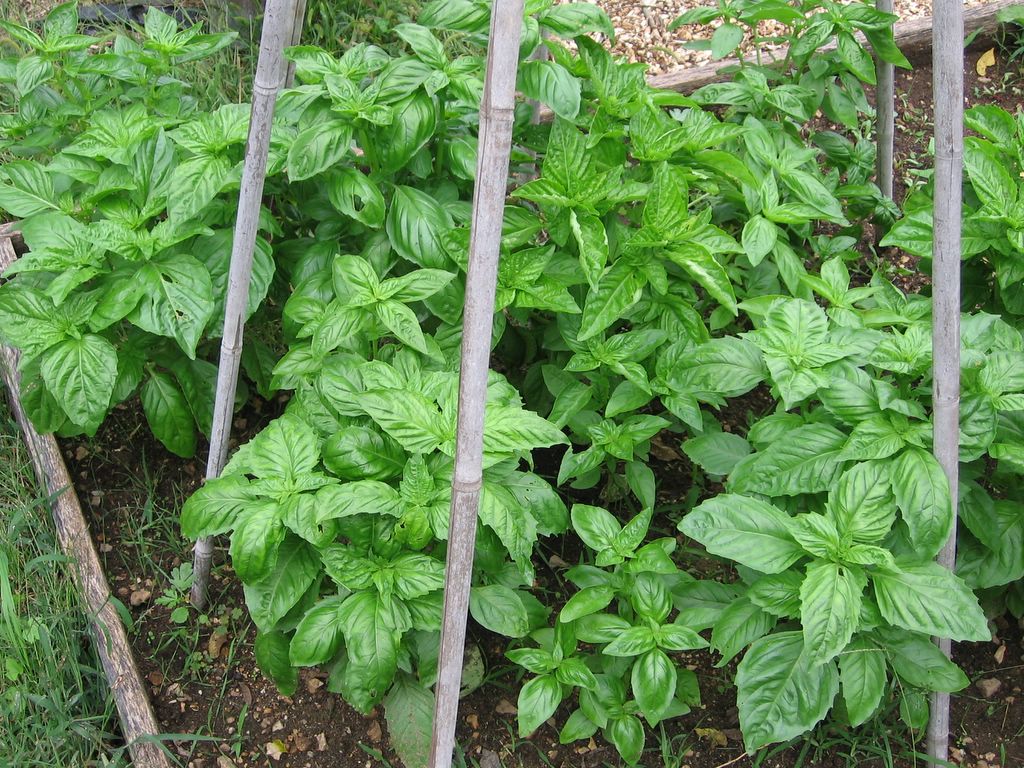
Begging To Be Picked Just Over A Month Later

The smaller plants were rootbound seedlings I transplanted shortly after taking the top photo. I find it interesting that the volunteers are so much bigger and healthier. To me, there is nothing better in the garden than a happy volunteer, and basil always seems willing to make a reappearance in mine. Growing basil from seed is easy, and growing volunteers is absolutely effortless, so don't forget to allow some of your plants to bloom and go to seed each year. An added benefit is that the pollinators will love you.


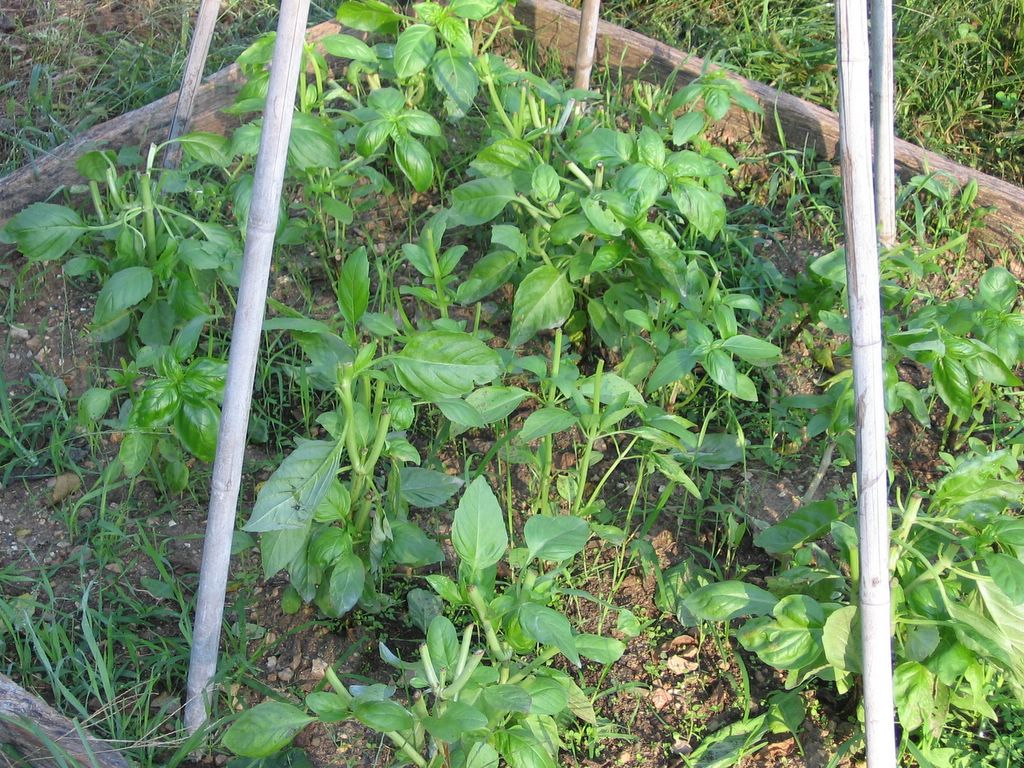
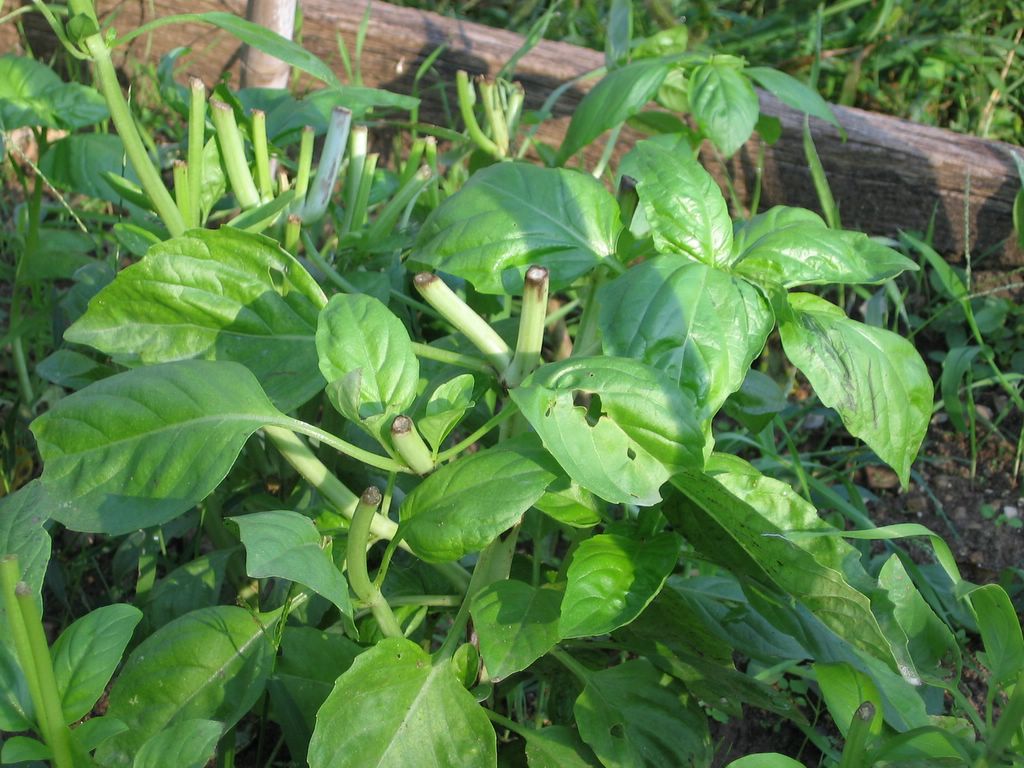
Don't Worry, It'll Grow Back

Realization Of The Day:
I don't think I've ever pulled a live basil plant out of the ground. There's simply no reason to.

About 14 or 15 years ago, when I was still living in northern California, I came upon a vendor at a farmer's market who was selling nothing but basil. He had a long table set up, and on it were several dozen brown paper bags, each holding one entire basil plant that had been uprooted only hours before. They were $1 each, and I remember thinking this guy was brilliant. (And still do.)

But even when I was selling fresh basil to an upscale restaurant a few years back, I still didn't pull up the entire plants when the basil was ready to be picked. Instead I simply snipped off most of the stems and left the stubs in the ground. The plants grew back, and this way I was able to get two or three good harvests over a period of many weeks from just one planting.


So even now, with that crisp feel of autumn in the air, I saw no reason to declare an end to basil season when I did a major harvest the other day--despite the fact that temperatures for the next two nights were predicted to be around 40 degrees F (and heat loving basil will turn black and croak well above freezing). The snipped plants are healthy and happy, and they survived the cold snap just fine tucked under a light blanket. As you can see, I left plenty of leaves on them so they didn't go into some kind of naked shock. Given a few more temperate weeks, these plants should fill out and reward me with more beautiful bounty. And since we're supposed to be having days in the 70s for at least the next week, I think the probability of more basil is very high.

Worst comes to worst? An arctic blast swoops in and kills off my crop. In the meantime, I'm putting in no extra effort except the ten seconds it took to cover and uncover the plants. It may not be a sure thing (because nothing in the garden ever is), but it seems foolish not to make this basil bet.

Pining For Some Pesto Now? Click here for my new favorite recipe.

Coming Up:
Another Less Fuss, More Flavor recipe—Fresh Tomato Pizza Sauce.

NOTE: This is my entry for Weekend Herb Blogging #51, a deliciously informative event based at Kalyn's Kitchen. Food and garden bloggers from around the world participate, and you never know what interesting new edibles you'll discover each Monday in the roundup. Check out the WHB rules if you'd like to join in the fun. And click here to read about next week's Special WHB Event.

Thursday, August 10, 2006

What's Growin' On 8/10/06: A Bounty of Beautiful Basil & a Plea for Pickle Recipes


Basil Gone Wild

Realization Of The Day:
I think I'm just going to let this giant volunteer patch of basil go to seed. I have plenty more in the garden (including some very young volunteer plants that popped up where the pole beans were supposed to). And besides. . .


It's not as if it isn't being used. (I'll give up my basil to pollinators any day. They literally mean the world to us. As for Bear--well, he usually treads pretty lightly. Plus he's really cute.) Many thanks to all of you who took the time to let me know your thoughts and experiences regarding using blooming basil in the kitchen.

Minding The Moonsigns:
Don't forget that Friday the 11th, Saturday the 12th, and Tuesday the 15th are all fertile days in the third quarter--the perfect time to put seedlings into the ground or move potted plants into roomier quarters. (Click here if you're wondering what this is about.)

I was feeling optimistic (plus I was tired of having old packets of seeds hiding everywhere) so I did go ahead and start some seeds last Tuesday (fertile second quarter day). Four entire full beds of them! I have to admit, though, that I don't have real high hopes for fall crops. (What fool plants 70-day pole beans less than two months before the first expected frost? Oh, wait, that would be me.) But I do have notes on what went where in case something decides to show up and survive.

Okay, I don't exactly have notes, but, like I usually do, I piled the seed packets on top of one another in the order I planted them in each bed. But then I went one step further--I held the ordered packets together with clothespins. Now as long as I remember which bundles of seeds went in which raised beds, and where the seeds on the top packet went, I'll be fine. I know. I'm supposed to be recording all my planting information here. That was the whole reason for starting this garden blog. And I will. Maybe tomorrow. Today I had more pressing (and more interesting) things to write about first. Which leads me to. . .

Out Of My Inbox: In A Pickle!
I thought my pal Katherine, who lives on Apifera Farm ("where animals, art, and lavender collide") knew how to do everything. I mean, she rides a horse, tends the 4700 lavender plants she and her husband planted, has a wonderful way with words on her farm blog, is an acclaimed artist, quietly created a rapidly growing peace movement with her animals, and can even bake a mean blackberry pie.

But it turns out she has absolutely no idea how to make a pickle. Here is an excerpt from the (dare I say desperate?) email I received from her:

"I can't find any basic pickling recipes in my Joy of Cooking or basic cookbooks. Perhaps they think any farm wife should already know how to do this...

I want to pickle my little cucs... and my finger beets - do you have any archive recipes?

Don't you love the word pickle?"

I do not have any pickle recipes in my blog archives, and I know nothing about pickling beets (and yes, now that she mentioned it, I do love the work 'pickle.' I even had a cat once named Pickles who had a brother named Onions.) The first summer I was at Windridge Farm I put up something like 37 quart jars of garlic dill pickles. I don't recall putting up any since then (is it any wonder?), but I offered to hunt down my old recipe for her. I also mentioned that if she only has a few cucumbers, refrigerator pickles might be the way to go. (Personally I like how they stay crisper because the cucumbers don't cook during the canning process, and I refuse to add alum--which is basically aluminum--to the jars to help them stay crisp. Plus refrigerator pickles are easier to make.)

I then offered to ask you all for help, and she was thrilled.

"I would love to see recipes! I think I want to try the long version/jar version - but I'd be curious about the fridge ones too for the ease of it..."

So how about it? Does anyone have a favorite pickle recipe they would like to share? And remember--she wants to pickle her little beets, too. I'm sure we can come to her rescue. And then I'll be able to go back to assuming she knows how to do everything, and the world will feel right again.

Thanks in advance for your help. And who knows? You might even convince me to start making pickles again. (Has anyone ever pickled lemon cucumbers? I think I'm going to have quite a few very soon.)

Tuesday, July 25, 2006

What's Growin' On 7/25/06: Volunteer Basil Bonanza


The Volunteer Basil I Discovered Back In June Is Thriving

Realization Of The Day:
Apparently the blister beetles don't care for basil. (Thank goodness.)

Realization #2:
I really need to make some pesto. A lot of pesto. (Thank goodness.)

Sunday, June 25, 2006

What's Growin' On: 6/25/06


Realization Of The Day:
I water these happy little basil seedlings twice a day, and yet I can't seem to remember to move them from the greenhouse into the ground.

Realization #2:
The days may be longer, but they sure don't contain any extra time. Lots more to post--one of these days.