Saturday, July 11, 2009

Garden Journal 7/11/09:
Clearing Out & Giving Up (In a Good Way)


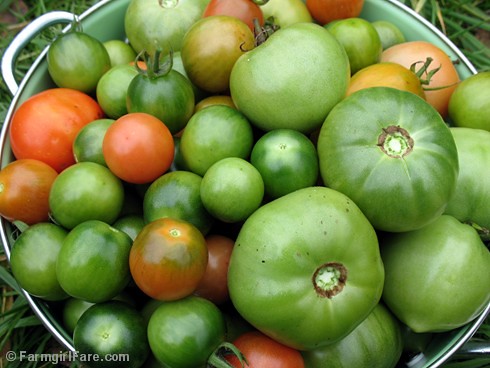
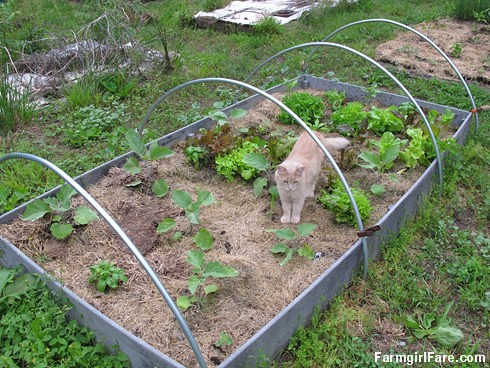
It's into the Compost Bin for these Tomato Plants (minus the containers of course)

Realization of the Day:
I've been on a cleaning and decluttering rampage lately, and my latest target is the garden.

The depths of the chest freezers (buried homemade basil pesto from 2002, vacuum sealed green beans from 2003), the refrigerator crisper drawers (what is that in there?), the musty tubs of forgotten clothes (shirts that have always been uncomfortable, sailing shorts Joe hasn't worn since he left Florida 20 years ago), the dusty piles of three-year-old yet still unread magazines, the dozens of saved jam jars I'm never going to use—nothing is safe from my much needed wrath. I'm even working on organizing my cramped and collectible-filled little studio office.

As for the garden—in all of its unplanted, heat stroked, and insect-ravaged weediness—I have a new rule I've started implementing with a gloved iron fist:

If looking at it only depresses/frustrates/irritates you, then it's time to rip it up or toss it out.

The pathetic tomato plants in the photo above are in the compost pile, along with some other seedlings that I know will never grow well even if I do get them into the ground soon. The decision was made easier once something (I think an elusive tomato hornworm) ate them down to practically nothing.


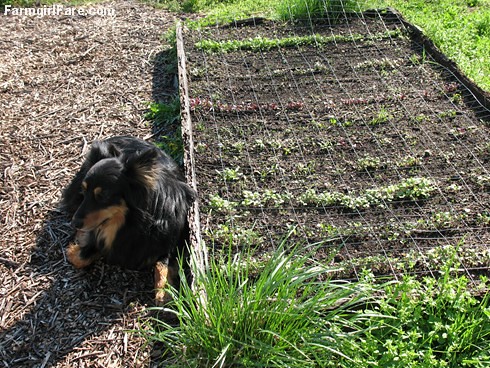
In this 4'x8' raised bed are my second (very late) broccoli planting (seeds started in containers), four rows of Maxibel and Masai haricots verts bush beans, a few dozen kohlrabi plants, a volunteer dill plant, and weeds. The first harvest of beans is over (I picked about 2 pounds), and I've finally come to realize that whatever matures after that initial crop is usually disappointing, especially in July and August. So out they go. It feels so liberating!

The Di Cicco broccoli plants—a new to me Italian variety that's supposed to produce an abundance of small to medium heads—offered up a few florets but already seem to have petered out. Joe suggested I leave them in the ground in case they took off and started producing again once it cooled down. Sorry, new rule in effect. I am leaving the first planting—which did slightly better—in the ground for now (except for the scrawniest plants I already gave to the chickens), but I have a feeling they won't be there long.


I couldn't get myself to yank out the kohlrabi just yet, even though only three of the plants have put on bulbs (which might be enough for a small batch of my beloved kohlrabi purée), and the others aren't likely to in this heat. Same story, different season, though this time I started my seeds in containers and transplanted them into the garden rather than direct seeding, making sure to plant them a little deeper in the ground than they were in the pot, as per instructions from my gardening guru girlfriend (and kick-ass kohlrabi grower) Cynthia at Love Apple Farm.

Unfortunately I think it may have simply been too hot for the bulbs to form. I still haven't given up on kohlrabi completely (I love that purée too much). I'm thinking I might try starting seeds for a fall crop, but not until it cools down for good.

I'm not sure why I decided to tackle this bed clearing project in the middle of a 90 something degree day, especially since I'd already spent a good half hour out there weeding other beds (and cleaning out the fridge is a much cooler job), but it really only took about 20 minutes, provided me with a huge green lunch for our foodie chickens (you can read more about what else they eat in the comments section of this post), and looks so much better.

For a lifelong packrat who lives on a farm that's miles away from everything, doesn't have garbage pickup, and always seems to need something two days after finally tossing it out, this is definite progress—and it feels great.

Are you good at giving up and weeding out all the useless and/or depressing stuff from your garden?

© Copyright 2009 FarmgirlFare.com, the still pretty cluttered foodie farm blog where it would be a lot easier to keep all the flat surfaces clear and everything neat and orderly if we didn't have so many interests and hobbies (not to mention a passion for books)—but where would be the joy in that?

Labels:

AddThis Social Bookmark Button

Friday, July 10, 2009

Garden Journal 7/10/09: Designer Pollinators


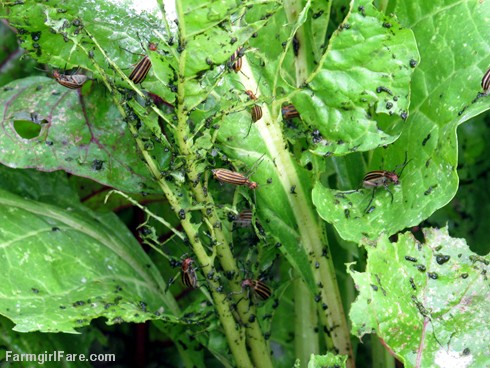
Is This a Best Dressed Bug or What?

Realization of the Day:
It's Fashion Week in the garden.

I'll admit it. I'm a sucker for cool looking insects, especially if they aren't decimating any of my plants—and sometimes even when they are. Since these little beauties so far appear content to spend their time pollinating the showy display of leek blossoms (which is a whole other very disappointing story I'll hopefully get around to writing about one of these days), I'm content to simply gaze at them in open admiration.

I remember seeing some of these winged insects last year for the first time (lots of new and bizarre—and sometimes very unwelcome—things have been happening during our past two wetter-than-usual springs), and I don't recall them doing any noticeable damage.


That pattern reminds me of vintage fabric or wallpaper. And check out those subtly coordinated legs.


Then there's that underbelly! It's like a suit and matching jacket. So chic. The star of Fashion Week is definitely Mother Nature.

Anybody else into cute bugs—or know what kind this one is?

I'm slightly obsessed with pollinators in general (adorable or not):
4/10/06:
Look What Landed At My Feet
5/11/06:
Butterfly Conference
5/11/06:
My Good Deed For The Day
6/22/06:
Farms Depend On Pollinators
6/23/06:
You Can't Have Too Many Pollinators Around
6/24/06:
Butterflies & Sheep & I Love Spiderwort
6/28/06:
Butterfly Paradise
6/29/06:
Obsessed With Bunnies & Butterflies
7/08/06:
The Stuff Of Life
7/16/06:
Butterfly Bonanza
8/26/06:
Butterfly Photos Are Better Than Nothing
8/14/07:
Joint Pollination Task Force
9/11/07:
Welcoming Autumn with Open Arms
9/27/07:
The Squash Blossom Butterfly
1/1/08:
Fortunately All Flowers Look Perfect to Pollinators
5/8/08:
Luna Moth Love (and an amazing butterfly book)
7/6/08:
Abuzz with Activity
7/8/08:
Winged Spectacular
3/31/09:
Flash of Butterfly Brilliance
6/10/09: A Lovely Luna Moth

© Copyright 2009 FarmgirlFare.com, the unfashionista foodie farm blog where my usual outfit of choice is overalls, a ratty shirt, and workboots. Thankfully the other creatures around here make up for my serious lack of style.

Labels:

AddThis Social Bookmark Button

Saturday, July 04, 2009

Garden Journal 7/4/09: Fireworks in the Front Yard


Or Maybe It's Just a Fiery Burst of Beautiful Color—But Definitely a Celebration Nonetheless

Here's hoping you had a glorious Fourth of July!

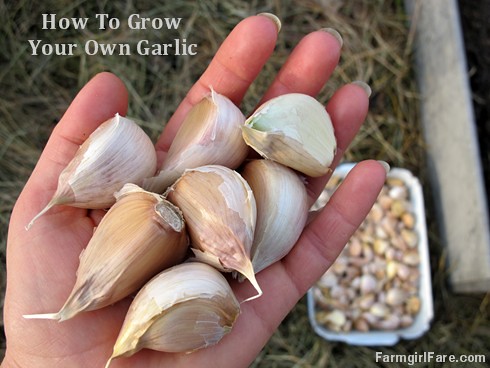
Did you do anything in the garden over the holiday weekend? Or, more importantly, did you eat anything from the garden? I harvested the garlic (and about 40 pounds of weeds) earlier today, tried to make it rain by continuing to water the garden as a few drops started to fall (didn't work), and then enjoyed a fabulous dinner of grilled pork ribs smothered in homemade bbq sauce (from the locally raised hog we had butchered last year) with a side of freshly dug new red potatoes that were simply boiled up and tossed with lots of salt and butter. Insanely good.

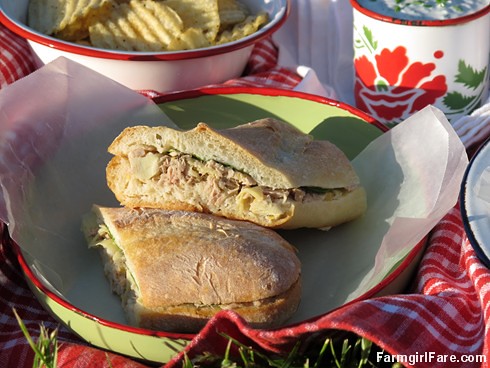
© Copyright 2009 FarmgirlFare.com, the happy we're done with haying this year foodie farm blog where the difference between regular old tuna salad and the best tuna you've ever eaten can be nothing more than a handful of homegrown chopped purple onion and fresh chives—and if you're eating at 10pm after having spent all day bringing in and
stacking 300 bales of hay, it tastes all that much better. Hooray for edible gardens—and being done with haying!

Labels: ,

AddThis Social Bookmark Button

Saturday, June 27, 2009

Garden Journal 6/27/09:
Digging Up an Early Red Potato Harvest


Volunteer New Potatoes and a Few 'Test' Heads of Garlic

Realization of the Day:
Gardening must be one of the few things where your ineffeciency will sometimes end up rewarding you.

Of course that's not always the case—like when you never get around to mulching something and get a bumper crop of weeds that's twice as tall as what you're trying to grow (been there, still doing that).

But today some of my carelessness out there paid off in the form of the beautiful little red bounty you see above. Apparently I missed a few potatoes when I was digging the last of them in the fall, and when they started sprouting up come spring I decided to leave them—even though they were growing in the middle of what was now my garlic bed. I figured they would be growing deeper than the shallow rooted garlic and probably wouldn't bother it.

My 'real' potato planting (which I'll be writing about in a future post) didn't happen until May 12th (I always plant my potatoes much later than anybody else around here), so this early harvest—which I'll simply scrub clean, cut into chunks, boil until tender, and toss with organic butter and a sprinkling of salt—is especially welcome.

There are only enough potatoes for a small serving each, but for the amount of effort involved—which was zero, unless you count the three minutes it took to dig them up—I'll gladly take it. I bet they'll taste wonderful alongside a couple of homegrown grilled lamb leg steaks, some of the green beans I picked yesterday (more about these in an upcoming post, too), and maybe a warmed up hunk of Four Hour Parisian Baguette from the freezer.

The garlic, on the other hand, is a different story. It should have been planted back in the fall, but for some now unfathomable reason I didn't get it into the ground until February—and have the disappointingly small bulbs to prove it. I went ahead and planted it so late because I figured whatever I ended up with would be better than nothing. This is when your inefficiency becomes experimenting.

Has your lack of attention (or downright laziness) ever paid off in the garden?

© Copyright 2009 FarmgirlFare.com, the spud loving foodie farm blog where sometimes it seems like the volunteer plants (like this beautiful basil and these sprawling lemon cucumber vines, which are only two of many) provide nearly as much bounty as the cultivated ones—thank goodness.

Labels: , ,

AddThis Social Bookmark Button

Wednesday, June 24, 2009

Garden Journal 6/24/09: My Favorite Easy To Grow, No Maintenance, Heat Loving, Drought Tolerant, Long Blooming Flowering Perennial? Echinacea!


Echinacea Purpurea, Also Known as Purple Coneflower (despite its pink flowers)

Realization of the Day:
If basil declares that summer has arrived in the vegetable garden, then cheerful echinacea shouts it out from the flower bed.

Summer is here—in a hot, humid, stripped down, and extremely sweat-drenched way. It's already been in the 90s for over a week, and there's no end (and no rain) in sight. It just keeps getting hotter. The heat index is supposed to get up to 108 on Saturday, but our thermometer in the backyard (yes, I stupidly looked) says it's already there. It feels as if we went from the middle of June to the middle of August overnight.

We really need to be putting up the hay (which will feed the sheep and donkeys next winter), but it's simply way too hot to do that kind of strenuous work—we'd never survive. It's too hot to do pretty much anything outdoors, though you wouldn't know it from looking at the echinacea.

There are several species of echinacea, but echinacea purpurea—purple coneflower—is the most common and probably the easiest to establish in the garden. I originally started some from seed years ago at Windridge, and then dug up and brought a few of those plants with me when I moved to this farm nine years ago. I also started some echinacea angustifolia—narrow leaf coneflower—plants, but they didn't make the move.

The seeds were pretty easy to start, but you can also find echinacea seedlings for sale at nurseries and garden centers. If you have a friend or neighbor who has some growing, ask them if they'll share.

Echinacea is everything I claimed in the title of this post and then some. It was supposed to say Self Seeding, Pollinator Attracting, Poor Soil Loving, Insect Resistant, Cold Tolerant, Pretty Much Impossible to Kill as well, but blogger said the title was too long.

I've found that the less I pay attention to my echinacea, the more it flourishes, though I'm sure it would probably go crazy if I fertilized it with a little sheep manure. You'll find sweeping roadside displays of wild echinacea blooming along Missouri highways, often growing out of what looks like solid rock.

My echinacea—which conveniently starts to flower just as my beloved spiderwort is petering out—blooms all summer long and doesn't require deadheading. And if you never get around to cutting off the seedheads in fall, they'll simply drop to the ground and start sprouting up on their own come spring, while the dead flower stalks fall over or are buried in the lush new growth of old and new plants.

Echinacea also happens to be one of the most popular medicinal herbs in America. Here's an excerpt from an article by the University of Maryland Medical Center:

Results of archeological digs indicate that Native Americans may have used echinacea for more than 400 years to treat infections and wounds and as a general "cure-all." Throughout history people have used echinacea to treat scarlet fever, syphilis, malaria, blood poisoning, and diphtheria.

Today, people use echinacea to shorten the duration of the common cold and flu and reduce symptoms, such as sore throat (pharyngitis), cough, and fever. Many herbalists also recommend echinacea to help boost the immune system and help the body fight infections.

Several laboratory and animal studies suggest that echinacea contains active substances that enhance the activity of the immune system, relieve pain, reduce inflammation, and have hormonal, antiviral, and antioxidant effects. For this reason, professional herbalists may recommend echinacea to treat urinary tract infections, vaginal yeast (candida) infections, ear infections (also known as otitis media), athlete's foot, sinusitis, hay fever (also called allergic rhinitis), as well as slow-healing wounds.


On top of all that, it's beautiful, especially since the flowers look different at every stage. If you're looking for a winning perennial in the garden, I highly recommend echinacea.

Is there echinacea growing in your garden?

Previous purple coneflower posts (Did I mention it's a joy to photograph?):
8/23/05: Hardy Echinacea Blooms All Summer Long
6/20/06: Preparing to Burst into Color
7/16/06: Butterfly Bonanza
8/26/06: Butterfly Photos are Better than Nothing
6/28/06: Butterfly Paradise
7/8/06: The Stuff of Life
11/25/06: The Easiest Way to Store Seeds
6/25/07: Echinacea by the Cat Cabin
8/14/07: Echinacea Visitors
7/6/08: Been Busy
7/8/08: Winged Spectacular (one of my favorite photos)

© Copyright 2009 FarmgirlFare.com, the hot stuff foodie farm blog where the donkeys (and the rest of us) may be wilting, but the first green beans are ready!

Labels: ,

AddThis Social Bookmark Button

Saturday, June 20, 2009

Garden Journal 6/20/09:
Harvesting the First Green & Purple Basil of the Season (And the Best Ways to Store Your Fresh Basil)


It's Almost Too Pretty to Eat

Realization of the Day:
Freshly picked basil always feels like summer.

It's the longest day of the year today, and it's also the hottest—90 degrees in the shade (which is why I'm hiding in my little office with a fan blasting on me, writing about gardening instead of actually doing it). But even without the calendar and thermometer, I'd know that summer is about to begin because the fresh basil is ready.

I ordered all sorts of different kinds of basil seeds this year, and then I ended up buying some plants instead. This purple variety is Red Rubin, which the
Johnny's Select Seeds catalog says is a "vigorous Italian large leaf type with high yields and great flavor. Flat, 3" long leaves stand out horizontally, and are a copper-tinged purple color. Height 18"—24" and 76 days to harvest."

I'm pretty sure this is the mystery purple variety I grew last year that made such incredible pesto. The plants look similar, and many of the leaves have the same pretty green outline along the edges.

The green basil was grown and sold by a local gardener at the natural foods store in town. It was simply labeled 'sweet basil,' but at $2.00 for six healthy little plants I wasn't about to pass it up just because I have no idea what kind it is.

While Genovese basil is a favorite and dependable Italian variety for pestos, I prefer the Italian Large Leaf, which has a sweeter and less clove-like flavor. The tiny leaves of lemon and lime basil smell wonderful, and are a nice change from the norm, though I admit to never using them to their full potential.

One year I grew bush basil, and I ended up with about 20 adorable and perfectly shaped little mounds that made me think of hedgehogs. They do well in pots and a closely planted row of them would make a beautiful edging along a pathway or herb bed.

Since it's going to be a long, long time before I have any tomatoes in the garden (especially since five of my most recently transplanted seedlings fried up and died yesterday), I'll probably just turn this basil into my favorite pesto. Tonight we're grilling homegrown beef burgers that we'll serve on hunks of Four Hour Parisian Daily Baguettes (I love this easy bread!), and I'm thinking a pesto burger—smothered with a thick slice of fresh mozzarella perhaps—would be very nice. Or maybe I should wait for the tomatoes.

I actually picked this basil back on Wednesday, but after 72 hours in the refrigerator it still looks perfectly fresh. I rinsed the leaves under water and put them in a plastic bag with a paper towel. The paper towel will soak up extra moisture and keep the leaves from rotting while maintaining a high level of humidity in the bag. I gently pressed most of the air out of the bag and sealed it with a clothespin.

Some people claim that fresh basil will quickly rot in the refrigerator if the leaves aren't perfectly dry, but I find they do better when left a little damp. And as with lettuce and other greens, wilted basil leaves won't perk up in the refrigerator—you need to refresh them in a quick cold water bath first.

The best way to store fresh basil is of course to leave it on the plant until just before you're ready to use it. Harvesting often can actually benefit the plant since, as my gardening girlfriend Cynthia Sandberg at Love Apple Farm explains in this informative post, pinching your basil plants is the key to success.

One of our butcher lamb customers is an avid gardener, and she likes to keep a big bunch of basil in a pitcher of water on her kitchen counter. She says it lasts for quite a while that way, and sometimes the stems will even send out roots, creating new plants that can go back in the garden. I really need to try this.

Are you harvesting any basil yet? What are your favorite varieties—and what do you like to do with them?

Related posts:
9/21/06: How To Keep Your Basil Growing Into Fall
6/25/06: Beautiful Basil Seedlings in the Greenhouse
7/25/06: Volunteer Basil in the Kitchen Garden
8/10/06: Basil Gone Wild - and Happy Pollinators

Other Farmgirl Fare basil recipes and appetizers you might enjoy:
Purple Basil Pesto and the Easiest White Bean Dip/Spread Recipe Ever
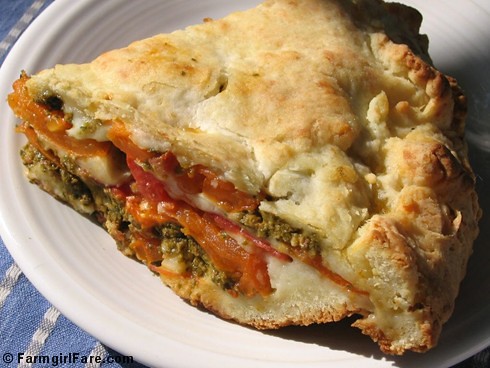
Savory Tomato Pesto Pie with a No-Fail Biscuit Crust
Fresh Tomato Pesto Pizza & A Simple Tomato Salad
Fresh Tomato & Basil Whole Wheat Sourdough Bread
Simple Fresh Tomato Pizza Sauce (no blanching required)
The Easiest Greek Salad Ever
Colors of Summer Salad with Fresh Basil
Summer in a Bowl with Fresh Basil
Fiesta Cottage Cheese Veggie Dip
Hot Swiss Chard Artichoke Dip
How To Make Arugula Pesto & What To Do with It
All About Chives & How To Make Herbed Yogurt Cheese

© Copyright 2009 FarmgirlFare.com, the herb infused foodie farm blog where—oh gosh, look at the time—it's happy hour! Time to water the thirsty garden and pour myself a drink. Happy summer solstice!

Labels: ,

AddThis Social Bookmark Button

Saturday, June 13, 2009

Garden Journal 6/13/09: Bigger Red and Orange Baby Carrots


More Carrot Thinning—St. Valery and Atomic Reds

Realization of the Day:
The Atomic Red carrots are orange inside!

I'm a little disappointed, but maybe that's just when they're young, since the Pinetree Garden Seeds catalog describes both the surface and flesh as brilliant red. Red is good because not only is it beautiful, but it also means the carrots are full of the antioxidant lycopene—the one you always hear about in connection with tomatoes.

I'm also growing an heirloom variety of carrots from 1929 called Red Cored Chantenay which, according to my seed catalogs, are supposed to be short and fat (about 5½ inches long) with a very appealing shiny orange color, smooth skin and a deep red-orange center. I'd really like to see that gorgeous red both inside and out!

Slowly but surely I'm getting my carrot bed thinned. I'm also keeping it covered with floating row cover 24/7 (because if I take it off during the day I'll probably forget to put it back on at night) as protection against the deer since they munched down all the Swiss chard in the bed (thanks so much for sharing your deer deterring suggestions!). I know I'd said the other day that they didn't eat any of the carrots, but a closer inspection that afternoon revealed that they had indeed nibbled on some of the tops. I'm not taking any chances.

After purposely keeping my hand out of this photo I realized that I should have kept it in, since it's a little hard to tell just what size the carrots are. These are the biggest ones I picked, and most are 2 to 3 inches long. There were also plenty of itty bitty ones in the Atomic Red row since it hadn't been thinned at all yet and was really crowded.

If you can't stand the thought of simply tossing your tiny carrot thinnings into the compost pile or feeding them to the chickens (most of mine snubbed their beaks at the tops, though the rapidly growing chicks will eat anything) and are willing to invest a few extra minutes, I think it's worth doing a 'light' thinning just to make sure they have at least a little growing room, and then going back through again when the babies have had a chance to get bigger. You can see what a size difference two weeks made.

Coming up, though, I'll be sharing a reader's tip for how to sow your carrot seeds so that no thinning is required. Cute babies or not, I'm definitely going to try it.

Have you ever grown (or eaten) red carrots? Were they red all the way through?

© Copyright 2009 FarmgirlFare.com, the crazy about carrots foodie farm blog where these little babies were almost too cute to eat. Almost.

Labels: ,

AddThis Social Bookmark Button

Thursday, June 11, 2009

Dealing with Deer in the Garden:
Which Vegetable Plants They Love (and Don't Love) to Eat


Everything Looks Fine at First Glance

Realization of the Day:
Just when you think your plants are safe from the bugs, the dogs, the cold, the heat, the [fill in the blank with your latest garden problem here], the deer show up.

We have literally thousands of acres of forest and greenery surrounding us, and yet the deer want to eat in my little cultivated spot. What I want is an 8-foot high stone wall around my entire garden. It's the only thing that will keep out the deer (and the digging dogs), and I've always loved how they look. Of course it's probably never going to happen—who builds 8-foot high stone walls anymore?—but a girl can dream, can't she?

A few years ago my mother was staying with a cousin in Pennsylvania who told her that all he grows anymore is asparagus because it's the only thing the deer won't eat. I feel his pain—and I'm sure many of you do, too.


At Least They Left Me a Few Baby Leaves

At first glance I didn't even notice that anything was wrong—the carrot tops were nice and frilly, the Nero di Toscana cabbage was looking good, the Swiss chard was still being choked out by the tall grass weeds. But then I realized the Swiss chard was gone. All of it. Those obnoxious deer had eaten around the weeds.


These Strawberry Plants Are Looking a Little Stemmy

Then I turned around and realized the strawberry bed had been decimated, though, surprisingly, they didn't eat the ripe fruit—but probably only because most of the berries had turtle slobber on them.

This was two mornings ago, and since I forgot to cover the beds with floating row cover that night (my memory is an amazingly elusive thing), naturally the deer returned the next night for a second serving.

There are all sorts of deer repelling tricks and methods out there, and I've tried a bunch of them: dog hair, human hair, bars of Irish Spring soap hanging from old nylon stockings, peeing in the garden. Yes, I used to go out and pee in the garden. I was desperate. Nothing has worked.

A few years ago I read somewhere that whenever deer leap over a fence, for some reason they seek out the highest spot—so if you make your 4-foot high fence several feet higher than that in just a few places, they deer won't jump over it at all. How cool is that? I thought. All of my deer problems are over! I stuck 7-foot bamboo stakes every few feet along the back fence, and all summer long I swear I could hear the deer laughing at me as they sailed over the shorter spots right in front of my eyes.

What's really embarrassing is that I have four dogs. Granted, the two big white ones—who will take off at top speed after a deer that is on the other side of a 15-acre field—spend nights down at the barn protecting their sheep. And twelve-year-old Robin is retired so she usually sleeps in the house. Lucky Buddy Bear will chase after a deer if I order him to, but after years of having them totally ignore him, his heart just isn't in it.

Other than building the stone walls, I don't have any solutions to offer, but I can say this: there are a lot of things growing either adjacent to or just a few steps away from the strawberries and Swiss chard that the deer didn't eat. That's not to say they won't move on to them after they've finished off their first choices (especially since I don't have that much floating row cover), but I figured it's worth making note of their preferences.

What the deer did eat:
—All the Swiss chard (both green and red varieties)
—Some bush bean plants
—Most of the strawberry bed (but not the fruit)

What the deer didn't eat:
—Carrots
—Nero di toscana cabbage (aka lacinato, tuscan, or dinosaur kale)
—Collards
—Garlic
—Potato plants
—Beets
—Broccoli
—Collards
—Radishes
—Cilantro
Kohlrabi
—Spinach (mostly bolted)

Besides not eating everything in my garden, there are a few other bright spots to all of this. Swiss chard is a cut-and-come again vegetable, so the plants may actually grow back. And the green chard leaves were full of bug holes (more about this in a future post), so I wasn't all that excited about eating them. The strawberry bed will need to be cut back and 'refreshed' soon (more about this in a future post), and most of the work has already been done.

But I still want my 8-foot high wall.

How do you deal with deer? Any tips or tricks you've tried that actually work? Is there really such a thing as a deer-proof vegetable?

Related posts:
How to Grow Swiss Chard from Seed and Why You Should
Growing and Thinning (and Weeding!) Heirloom Carrots
How to Grow Nero di Toscana Cabbage (aka Tuscan Kale, Cavalo Nero, Lacinato Kale, Dinosaur Kale) from Seed and What To Do with It
How To Grow Beets from Seed and Why You Should
Let's Trade: Your Purple Kohlrabi Growing Tips for My Best Kohlrabi Recipe Ever
Successfully Growing Strawberries
I Can't Live Without My Inexpensive Bamboo Stakes*

*A.M. Leonard's bamboo stake prices have gone up quite a bit since I wrote this post three years ago, but compared to the prices I've seen at garden centers, they're still a really good deal.

© Copyright 2009 FarmgirlFare.com, the decidedly desperate foodie farm blog where I may just have to dig out the rolls of mesh deer netting leftover from my deer battles years ago at Windridge Farm that I know are still kicking around here somewhere.

Labels:

AddThis Social Bookmark Button

Saturday, June 06, 2009

Gardening How To:
Growing and Thinning (and Weeding!) Heirloom Carrots


Extreme Baby Vegetables (Harvested on 5/28)

The first year I gardened in Missouri I tried growing carrots, didn't get very good results, and gave up—despite the fact that I usually consume at least one raw carrot a day. I continued to order one or two varieties of carrot seeds every couple of years, but except for a really old packet of seeds that I scattered during an ambitious and hopeful fall planting campaign in August 2006 (which were, not suprisingly, all no-shows) they never seemed to make it into the ground.

With good organic, U.S. grown carrots available year round for under a dollar a pound at the supermarket, homegrown carrots simply weren't a big priority. But deep down, I knew I was missing out. So this year to compensate I went a little overboard.

Back on April 11th, I sowed six varieties of heirloom carrot seeds (saving some of each kind for fall planting) in one of my 4'x8' raised garden beds: St. Valery (from Baker Creek Heirloom Seeds), Parisienne (Baker Creek), Little Finger (Baker Creek), Atomic Red (Baker Creek), Scarlet Nantes (Botanical Interests), and Red Cored Chantenay (Pinetree Garden Seeds). I chose a wide variety of colors, shapes, and sizes. I'm especially excited about the red ones.


So far they're all doing great—and so are the weeds (that would be the big pile on the left).

In The Vegetable Gardener's Bible (my favorite garden book, which I highly recommend for kitchen gardeners of all levels), author Ed Smith says that "thinning carrots, like sowing them, is best accomplished on days when patience can rule your actions." He's got that right. Talk about a teeth gnashing job, especially when you're also trying to pull out weeds that are twice the size of the carrot seedlings. Ed recommends using floral shears to thin your carrots, but I just pulled them out by hand—one small section at a time.

It's too bad I didn't check the carrot growing section of The All-New Illustrated Guide to Gardening from Reader's Digest (a humongous book packed with over 2,500 color photos & illustrations that I'm finding very informative—and love that the completely updated and revised version is all organic!) until just now, because I really like this idea:

They say to mix a few radish or leaf-lettuce seeds with the carrot seeds "since carrot seeds germinate slowly, and the row may be well defined by weeds long before the carrot tops appear. The radishes and lettuce will sprout quickly and will mark the row. Because they wil be ready long before the carrots are, they will not interfere with the growth of the carrots, and you will also be making more efficient use of your garden space."


These Happy Carrots Have Been Weeded, Thinned, and Mulched

Carrots prefer to have cool roots and warm tops, so mulch them with grass clippings (or freshly pulled weeds or, as seen above, rotting old hay that you pulled off the strawberry bed in March and still have laying around) during the late spring and summer. This will also keep new weeds from sprouting and help retain moisture in the soil—which is why I love mulching so much.


Digging Dogs in the Garden: That Big Empty Spot is Courtesy of Marta (aka Marta Beast)

The Vegetable Gardener's Bible suggests growing a leafy companion crop such as Swiss chard to help shade and cool the soil (Yes! Another reason to help convince you to grow Swiss chard!), so starting at the southern end of the bed, I sowed my seeds in 8-foot long rows like this: one of Swiss chard (two varieties), then three rows of carrots, one of Swiss Chard and Nero di Toscana cabbage (also called dinosaur kale, lacinato kale, and several other things—I love the stuff and refer to it as cat cabbage because I swear it has nine lives). As of right now, it looks like the edible shading scheme is going to work perfectly.

Carrots will grow well close together, but if they're too close they'll end up stunted, too thin, or deformed. You can see that some of the baby carrots in that top photo are already looking a little crooked. I usually like to wait to thin my vegetables (such as lettuce, arugula, beets, and Swiss chard) until the thinnings are large enough to eat, so I'm giving the rest of the carrots a bit more growing more time before I finish thinning them (though I admit I couldn't resist nibbling on these itty bittys—and they were tasty!). Besides, my teeth need a rest from all that gnashing.

Joe used to grow a big patch of carrots each year but said he stopped because they didn't keep well in the root cellar. "Sure, you can store them in sawdust like the books tell you to, and they won't rot," he told me, "but what they don't tell you is that they get all rubbery." I asked him if the sawdust had been damp, which is a detail that nearly all carrot-storing directions I've seen leave out. "It's supposed to be damp?" he said.

Since there used to be a large sawmill on our property back in the 1930s, we have a lifetime supply of free aged sawdust at our disposal—and plenty of sawmills still around if the sawdust needs to be fresh. I'm curious to see how carrots—which I usually buy four or five pounds at a time and store in the refrigerator for weeks—that are kept in damp sawdust in the cool root cellar would keep, but I have a feeling that all of this year's harvest is going to go straight from garden to kitchen to mouth.

Are you growing carrots this year? Do you have any growing tips, favorite varieties, or amusing carrot stories to share?

Related posts:
How To Grow Swiss Chard from Seed and Why You Should
Direct Seeding Lettuce in the Garden and How To Thin Lettuce Seedlings
How to Grow Nero di Toscana Cabbage (aka Tuscan Kale, Cavalo Nero, Lacinato Kale, Dinosaur Kale) from Seed and What To Do with It
Carrot Herb Rolls (and a Beautiful Bargain Bread Book for Beginners)

© Copyright 2009 FarmgirlFare.com, the crunch and munch foodie farm blog where getting our daily dose of beta-carotene has never been a problem.

Labels: ,

AddThis Social Bookmark Button

Tuesday, June 02, 2009

Garden Journal 6/2/09:
Harvesting Spring Onions Grown from Purchased Plants


Just Picked Red Candy Apple Onions (and Topaz)

Realization of the Day:
These just might be the prettiest onions I've ever picked.

Back in February, on the recommendation of my friend and gardening hero, Cynthia Sandberg of Love Apple Farm, I ordered 400 leek plants and way too many onion plants (the more you buy, the better the price) from Dixondale Farms in Texas, the oldest and largest onion farm in the U.S.

I'm a little embarrassed to admit that up until this year, I had no idea that the size of an onion bulb is dependent upon daylength and temperature, not the size or age of the plants—which probably at least partly explains why over the years I've often ended up with disappointing (albeit tasty) little bulbs.

Because we're sitting right on the borders of Dixondale's 'which varieties are right for you' map, I went ahead and ordered all three types of onions that they offer—Long Day, Intermediate Day, and Short Day—just to see how they fared.

I figured if worst came to worst, some of the varieties wouldn't form bulbs, and we'd have a lot of green onions. Fortunately last year, dozens of you pitched in and offered up your favorite ways to enjoy green onions, so I wasn't worried about what to do with the excess.

As a rule, I don't grow any hybrids in my kitchen garden, but I made an exception with these onion plants—mostly because there were no heirloom Intermediate Day varieties available, which looked to be the most suitable variety for our southern Missouri location. Besides, I reminded myself, the onion sets I usually buy at the feed store are probably hybrid varieties, too. I ordered a total of nine different onion varieties, including some heirlooms.

Red Candy Apple is a new variety that is exclusive to Dixondale Farms, where they've been growing onions since 1913. Here's what they have to say about it:

We have been working on a red intermediate day hybrid that is as sweet as candy—so sweet that you can eat it like an apple. Compared to the Stockton Red, the Red Candy Apple offers improved sizing, better interior color and an intense dark red skin with very mild taste. This red onion's color moves inside as the bulb matures and the interior produces beautiful red rings after curing. Remarkably uniform, this new development also features a high percentage of single centers in its solid, firm bulbs.

In order to have enough onions so that I could harvest some of them during the growing season as green onions, when I planted them in early March I spaced them 2" inches apart instead of the usual 4" apart. But since I put in hundreds of plants, the green onions quickly got away from me. They're now what you'd call large spring onions, which I think are even better—at this size you can enjoy the green tops as well as the young bulbs.


One of My New Favorite Easy Salad Recipes

If you want to store your onions, pull them out of the ground and let them dry in the sun for two days—with the tops of one row of bulbs laid over the bulbs of another to prevent sunscald.

There was no need to dry this beautiful bunch of Red Candy Apples, though, as they went straight from the garden into a batch of this simple and refreshing Garbanzo Bean & Feta Salad (along with some fabulous cilantro—the first I've grown in years!). I haven't tried eating one of these onions like an apple, but they are definitely nice and sweet.

Are there onions in your garden this year? Any favorite varieties, growing tips, or recipes to share? Do tell!

Previous onion posts:
6/7/08: What To Do with 125 Green Onions (Scallions)
6/7/08: Wanted: Your Recipes and Favorite Ways to Use Green Onions
6/12/05: Growing Onions In The Garden
3/16/06:
It's Time to Plant Onions!
4/4/06:
Operation Onion Complete!
4/26/06:
Companion Planting Beets & Lettuce with Onions

More ways to enjoy scallions and spring onions:
Sour Cream & Onion Dip
Savory Cheese & Scallion Scones
Fiesta Cottage Cheese Veggie Dip
Mexican Jumping Bean Slaw
Summer in a Bowl
Colors of Summer Salad
Healthy Swiss Chard Tuna Salad with Kalamata Olives
Swiss Chard Cabbage Salad with Garbanzo Beans and Cottage Cheese
Sprinkled on top of Hot Swiss Chard Artichoke Dip
Three Onion & Three Cheese Pizza

© Copyright 2009 FarmgirlFare.com, the heatwave foodie farm blog where they don't always make it into the final photo, but if I'm taking pictures outdoors—or working in the garden—you can usually bet there's a cute four-footed critter somewhere underfoot.

Labels: ,

AddThis Social Bookmark Button

Friday, May 29, 2009

A Question for Gardeners: Can You Identify this Easy to Grow Purple Flowering Perennial Plant?


Sedum Autumn Joy in Back, Volunteer Spiderwort to the Right, Mystery Perennial up Front

In my last post, It's the End of Bloomin' May Already, I mentioned a several-year-old mystery potted perennial in my garden that is not only pretty, but requires no maintenance and will also put up with anything—so who cares if I don't know what it is.

Katherine at Windchimes (who makes elegant fashion jewelry from glass and metal beads—look at these cute little dragonflies!) was curious about it and asked if I would post a picture, which is exactly what I'd been thinking of doing. I realized it might actually be nice to know what this plant is, because then you'd be able to seek out one or two for your own garden. (I wouldn't mind adding a few more, too.) I also figured at least one of you out there would be able to identify it for us.

I have no idea where or when I got this plant, but it was at least a few years ago. It's growing in a round ceramic pot that's about 12 inches across and maybe 10 inches high, and right now is sitting against the front of the greenhouse where it receives several hours of sun a day. I think during previous years I've had it out in full sun. During the winter it lives in the unheated (except for a couple of nights a year) greenhouse with my other potted perennials. When temps dip down into the single digits, I cover it with floating row cover and/or an old bedsheet.


The plant itself is about 14 inches tall right now and is covered with these delicate pale purple blooms which last for quite a while, though I've never paid attention to exactly how long. The leaves always make me think of catnip, which is in the mint family, and—I just went out and checked—they do smell faintly minty.

I have a feeling the plant might get a whole lot bigger if I put it in the ground, as this has been my experience with other potted perennials, despite the fact that I periodically put a layer of compost on top of the soil and fertilize with sheep manure (simple instructions on how to make your own manure tea coming soon!). The only exceptions to this have been my big pots of lemon balm and
Sedum Autumn Joy (seen behind the mystery plant), but that's because I've kept them in the same place for so long they simply sent roots out the drain holes of their pots into the soil below, and so technically are growing in the ground.


So do you know what my mystery plant is? Do tell! And if you'd like to solve other garden mysteries—or have one of your own you need help with—check out Fine Gardening's Mystery Plant gallery, a fun and informative place where you can post a photo and have your questions answered.

© Copyright 2009 FarmgirlFare.com, the mysterious foodie farm blog where solving plant puzzles is a lot more interesting than weeding, though it doesn't help feed the compost pile like weeding does—unless of course everything you identify turns out to be a noxious weed, which is what happened the other day when I did a little mystery plant identification in a beginning gardening friend's flower bed.

Labels: ,

AddThis Social Bookmark Button

Thursday, May 21, 2009

Garden Journal 5/21/09:
It's the End of Bloomin' May Already!


Busy, Busy

How did that happen? Of course I'm always asking myself that question. But where does the time go? Weren't we just snowed in a couple of weeks ago?

Last week during an emergency trip to the vet for my 12-1/2 year old beagle, Robin (who is thankfully doing well), one of the women who works there asked how my garden was doing. "Everything that's actually been planted is doing great!" I said cheerfully, and then admitted that I still had at least 150 tomato, tomatillo, pepper, eggplant (many thanks to the 46 of you who shared your experiences and tips growing and eating eggplant!), herb, and other miscellaneous seedlings—not to mention the sweet potatoes sporting 2-foot-long sprouts—still sitting in the greenhouse and desperately wishing they'd been put in the ground several weeks ago. I did feel a little better about my slacking off when it dipped down to 40 degrees a couple of times last week since it would have been a pain to cover them all up from the cold. Or at least that's how I rationalized things.

Of course all these as yet homeless seedlings didn't stop me from picking up two six-packs of locally grown basil plants at the local natural foods store yesterday. At $2.00 each I couldn't resist, especially since I (once again) haven't started any basil seeds myself yet, and I've been dreaming about big batches of pesto lately, probably because my supply in the freezer has been depleted. I bought a dozen purple basil plants a couple of weeks ago, too, since I've discovered it makes even better pesto than the green kind. Now I can't wait to make the first Savory Tomato Pesto Pie of the summer.

You'd think I would have had lots of time to catch up in the garden during our recent eight day power outage, and though I did manage to get some long overdue tasks finally completed (like clearing out the small mountain of sheets and blankets used for winter protection in the greenhouse, turning two compost piles and starting a new one, weeding another raised bed in preparation for planting), at this time of year there's simply too much to be done.

Meanwhile, once again I'm surprised by how many things are already blooming (or finished blooming!) by mid May. The irises are out, and the wonderfully low maintenance Kerria japonica Pleniflora (also called bachelor's buttons—but not to be confused with the popular pink, white, and purple easy-to-grow annual flowers called bachelor's buttons) pictured above has already been flowering for weeks and will continue to do so into autumn. That's my kind of perennial.


Comfrey is Useful, Beautiful, and Will Withstand Being Munched by Sheep

The comfrey (a fabulous, easy to grow medicinal herb I really need to write more about one of these days) is sporting its trademark purple flowers, as is my several-year-old mystery potted perennial that is not only pretty, but will put up with anything so who cares if I don't know what it is.

The lawn is dappled with those little white flowers that always make me think of fairies, and one section of the greenhouse has been taken over by three-foot-tall blooming arugula. Some of the nine varieties of onions I'm growing this year are sending up flower shoots, but I keep pinching them off so they'll be forced to spend their energy on bulb production.

The very first spiderwort flower popped out this morning, and dozens more will continue to do so for weeks. As I've mentioned before, I love spiderwort and think that every garden should have at least a clump or two growing in it. The butterflies go crazy for it.

And maybe best of all, there are various pockets around the farm that are heavy with the deliriously rich scent of wild multiflora roses.

Joe's sister, who is a professional gardener and landscaper in Ohio, told us the other day that she calls this time of year May Madness because all of her clients want their yards planted right now. I immediately glommed onto the phrase. There's so much to do and too much to do—but what's in the ground is doing well, we always eat well, and nearly everywhere you look there are flowers!

So what's blooming in your May Madness garden?

© Copyright 2009 FarmgirlFare.com, the flower infested foodie farm blog where when it comes to gardening, we're constantly behind but always optimistic—and have already started making big plans for not only this fall garden but next spring's as well. Enjoy the present but definitely plan for the future!

Labels: , ,

AddThis Social Bookmark Button

Sunday, April 26, 2009

Every Day is Earth Day in the Kitchen Garden:
How Do You Make Yours Even Greener?


I Make Free Plant Markers from Sour Cream & Cottage Cheese Containers

This Earth Day post is a little late (although I did miraculously get one up on time on Farmgirl Fare called Every Day is Earth Day-and I'm Eco-Chic Who Knew?), but every day really is Earth Day if you're a vegetable gardener. Is there any better way to connect yourself to this amazing planet than by getting down on your knees and wallowing around in the dirt and then gobbling up your efforts? Not while you're still down in the dirt, of course—though I do admit to enjoying a nibble here and there when I'm working, especially if there are any cherry tomatoes to be had.

Growing your own food is a great way to 'go green,' but during all of the recent Earth Day hubbub, I started thinking about the many simple ways you can make your garden even greener. Using organic methods to deal with pests, fertilize, and care for the soil is the obvious big one, and that's really important to me.

I think the sometimes extra effort and loss of bounty is worth it, and I'm thrilled that the White House now has an organic vegetable garden and even a honeybee hive on the lawn (thank you, Roger Doiron of Kitchen Gardeners International for your tireless efforts toward making that dream a reality!). Of course the pesticide industry has already complained to Michelle Obama that they're offended by the Organic Garden at the White House. I'm still shaking my head in disbelief.

Not having any garbage pick-up on the farm (you can read more about what that's like here) means that we go out of our way to reduce, reuse, repurpose (don't you just love that word?) and recycle—which often has the added benefit saving money as well. Here's a short list off the top of my head of some of the other simple ways—beyond putting food on the table—that my kitchen garden is extra eco-friendly:

Fertilize with manure from the sheep, donkeys, and chickens.

Keep five compost bins full of kitchen and yard waste, though when you have ravenous chickens, the food scraps are usually just eggshells, coffee grounds, and orange peels. Tried composting before with no luck? Don't give up! Amuse and inspire yourself by reading about my early composting trials and tribulations.

Grow open-pollinated heirloom varieties so I can save seeds for planting the next year. If you save seeds from hybrids, you won't always end up with exactly the same variety, plus I love the idea of growing vegetables that have been around for 150 or more years.

Mulch, mulch, mulch! This is probably the most important thing I do in the garden. Mulching vegetable beds with something as simple and handy as grass clippings—or even the weeds you just yanked out—keeps more weeds from growing (which saves tons of future weeding time), helps the soil stay cooler during summer, helps keep roots moist after watering, and eventually breaks down into an all natural soil amendment.

Repurpose unused indoor stuff for outdoor use. Forgotten metal strainers become compost sifters (more on this in a future post), while old bedsheets and blankets are perfect for throwing over plants in cold weather.

Shop yard sales, flea markets, junk and thrift stores, and even antique malls for garden goodies. The vintage shovels and pitchforks I've amassed over the years not only appeal to my sense of design, but they also work great, were mostly real bargains, and didn't require the outlay of natural resources that manufacturing new ones would have. These are also good places to stock up on old bedsheets and blankets, as well as pretty garden pots.

Think creatively when it comes to unrecyclable household trash. Cracked plastic buckets that no longer hold water can still carry weeds, rocks, and compost. Rusted (hello, humidity!) baking sheets make handy trays for seedlings and other things, and old metal pots not nice enough to be donated to the thrift store can be used as planters or for carrying soil amendments, compost, etc. Yogurt, sour cream, and cottage cheese #5 plastic containers become weatherproof seedling markers when cut into strips.

Those annoying blue styrofoam containers that fresh mushrooms are sold in make great seed starting containers. (It's almost impossible to find containerless, bulk mushrooms for sale in Missouri, which unfortunately means I probably have about 100 of these stupid things by now.)

Use things beyond their expected life span. Just because something isn't still 100% perfect doesn't mean you have to toss it out and replace it. Floating row covers are advertised as lasting only a season or two, yet some of mine, which I don't treat all that well, lasted over 10 years (though I have to admit the new stuff I bought last year doesn't seem to be nearly as tough and tear-resistant).

The covering on my homemade greenhouse (which I first used on my greenhouse at Windridge Farm) has lived a dozen years beyond its supposed life expectancy, thanks in part to throwing an inexpensive poly tarp over it during the summers (which also keeps it much cooler inside) and because I don't mind a few rips and tears here and there.

I'm also still using the same black plastic seed starting plugs and trays (some are pictured above) that I bought in bulk in 1995 (including these cheap little containers from a restaurant supply store that each have their own mini-greenhouse snap on lid); when they tear or crack, I simply double them up.

With its broken buckets, peek-a-boo greenhouse covering, and weed-mulched beds, my garden may not be picture perfect, but you can't tell come harvest time. I know there are more things that I'm not remembering because they're so second nature to me by now, but I'll add to this list as I think of them.

In the meantime, how do you make (or hope to make) your garden greener? Please share your eco-friendly thoughts, tips, and ideas with the rest of us!

© 2009 FarmgirlFare.com, the frugal foodie farm blog where we've discovered over the years that using less and doing without means you actually end up with more.

Labels: ,

AddThis Social Bookmark Button

Tuesday, April 14, 2009

Direct Seeding Lettuce in the Garden and How to Thin Lettuce Seedlings: By Picking the First Salad of the Season!


Baby Tom Thumb Lettuce in the Greenhouse

Back on February 20th, I scattered a spot about two feet square with Tom Thumb lettuce seeds leftover from 2008, sprinkled a thin layer of compost over them, and watered well. Because lettuce seeds don't seem to keep well for me, I sowed them more thickly than I normally would. Next to it, I scattered the rest of a packet of 2008 Winter Lettuce Mix in about the same size area.

On the other side of the Tom Thumb I direct seeded a small patch of mache (corn salad), which is one of the most (if not the most) cold tolerant salad greens you can grow. I've had volunteer mache sprout up in the greenhouse in the middle of winter. I figured I was probably pushing my luck planting in the greenhouse in late February, though, because mache doesn't like the heat, and it will quickly warm up to 100 degrees in there when the sun is shining. No matter—the 2008 seeds were a no show anyway. I've ordered more and will try again in the fall, probably sowing half the seeds in the greenhouse and half outside in a raised bed. I adore mache's nutty flavor and delicate rosettes of leaves.

I had much better luck with the lettuce seeds. It was a slow start sprouting (as of the
February 28th snowstorm there was no sign of anything coming up yet), but that wasn't surprising given how cold the soil was. A lot of times you're actually better off planting early spring crops like peas a week or two later than you think you should because they'll sprout faster and then catch right up to the earlier planted seeds, which is very good news for gardeners like me who are perpetually behind with everything. This is probably what happened with the lettuce.

As you can see, the Tom Thumb lettuce came up nice and thick, and on April 6th I picked enough tender baby plants to make a small, simple salad. It was wonderful. I'm a sucker for any butterhead variety, and while I've grown this type before, some quick fact checking in my seed catalogs has made me realize that I need to give it a little extra attention this year to find out just what this stuff does when given the space.

Pinetree Garden Seeds (where these seeds are from) says that Tom Thumb (47 days) "actually produces a full butterhead in a relatively short period of time. Six to seven inch heads have firm structure and compact habit. Leaves are dark green and the entire head wil make a large salad for one." This year Pinetree started labeling all of their heirloom varieties, but Tom Thumb isn't marked as one.

The Baker Creek Heirloom Seeds catalog, however, describes Tom Thumb as an heirloom lettuce that dates back to the 1850s and "makes small cabbage-like green heads, only 3" to 4" across." They say it's very tasty and "a winner for classy markets!"

I don't recall the leaves ever being particularly dark green, but maybe I just never paid attention. And now I'm curious about the size. In order for these plants to form those soft butterheads and reach maturity, though, they'll need a lot more space. Instead of thinning out lettuce plants when they've barely sprouted, I wait until they're big enough to eat. Then I pull some of plants up, gently tearing off the roots as I go, which means no dirt in the kitchen and tasty snacks for our foodie chickens—which have been multiplying for spring.

This gives the remaining plants some elbow room, which they quickly grow into. Two days after that first picking I took the photo above, and you can hardly tell we've already started eating the spring lettuce crop. A week later it was time to harvest again.


Great Greens in the Greenhouse, Including an Overwintered Swiss Chard Plant

The Winter Lettuce Mix, also from Pinetree Garden seeds, is to the right of the Tom Thumb in the photo above and is looking pretty good, too. I think we'll thin a little bit of it for tonight's dinner.

Are you enjoying spring salads yet? And have you ever grown Tom Thumb lettuce?

Related posts:
How To Easily Grow Your Own Gourmet Lettuce From Seed
Sublime Salads for Those Short on Time, Space, and Sunlight
On Loving Lettuce & Eating Salad for Breakfast
5/24/06: Mixed Baby Lettuce in the Garden & Eating Local
11/13/06: Petite Rouge Heirloom Lettuce in the Garden
5/8/07: Big Boston Lettuce in the Greenhouse

© Copyright 2009 FarmgirlFare.com, the going green foodie farm blog where we're looking forward to hopefully being able to enjoy freshly picked lettuce three times a day in the next month—because overindulging in spring is the only way to survive the hot summer and early fall without any!

Labels: , ,

AddThis Social Bookmark Button

Sunday, April 12, 2009

Garden Journal 4/12/09: No Bonnets, but Plenty of Blooms


Our One Clump of Tulips Almost Always Blooms for Easter

Want a bigger bouquet?
4/16/06:
Easter Greetings to You
4/16/06:
Dogfoot Tiptoed Through the Tulips
4/16/06:
Time Lapse Tulips
And you'll find lots more flower photos
here and here and here.

© 2009 FarmgirlFare.com, the flowering foodie farm blog where there are four different types of no maintenance flowers blooming in the yard today (tulips, the last few daffodils, the one small but reliable cluster of grape hyacinths, and my favorite flowering quince) and everything from the greens in the garden to the grass in the fields is loving the light rain that's been steadily falling for hours. It's been a quiet but thoroughly enjoyable Easter here on the farm.

Labels: ,

AddThis Social Bookmark Button

Monday, April 06, 2009

Garden Journal 4/6/09: Don't Count Your Lilacs Until They're Actually Blooming


I'm Not Holding My Breath (or should that be my nose?) for These Beautiful Little Buds

I'm crazy about lilacs, but I know better than to count them before they open up, even if the bushes are loaded with buds. Unfortunately they usually only make it to the full flowering stage every few years here because of our crazy weather—and the fact that our low lying location (as the weather people refer to it) 300 feet down in this little valley means that we have colder temps and later freezes than they do 'up top.' Tonight it's supposed to drop down into the low 20s, and there were light flurries blowing around in the bluster all day.

I don't have a whole lot of hope of these and the dozens of others holding out during tonight's freeze, but you never know. You've gotta be tough to survive here in Missouri.

Do you love lilacs, too?

More about my lilacs:
4/5/06: The Lilacs Are Coming! The Lilacs Are Coming!
4/5/07: Lilacs! (and dozens of your lilac memories and stories)
3/22/08: Leaves on the Lilacs (and lots more lilac memories)

© Copyright 2009 FarmgirlFare.com, the budding foodie farm blog where it's always a good year for something colorful out there, and with over 400 flowers blooming at once the other day, it was definitely a banner spring for the always cheerful daffodils.

Labels: ,

AddThis Social Bookmark Button

Thursday, March 12, 2009

A Question for Kitchen Gardeners & Fruities:
Do You Have a Pear Tree Growing on Your Property?


Pears Not Perfect? Make My Favorite 100% Whole Grain Ginger Pear Bran Muffins

I'm working on a cookbook all about making the most of your seasonal bounty no matter where it comes from, and I would love your input. I'll be posting random questions here over the next several months, and all comments are greatly appreciated. Thanks!

Talk about a fruitful investment. A healthy pear tree may produce pears for over 100 years, and each year you may get literally hundreds of pounds of sweet and juicy bounty. Many pear trees require a second tree to act as a pollinizer, though Bartlett pears—which are the nation's leading pear variety—are self-pollinating and don't even require the assistance of bees.

Do you have a pear tree or trees? Please tell us about them! What kind, what age, what sort of bounty you get—whatever you like. Commercial pears are picked when they're mature but hard and are then cooled down to slow the ripening process. Hard fruits obviously fare better on their way from orchard to market, but pears actually ripen better off the tree. Do you pick your pears when they're still hard? How do you like to store them?

Any pear tips or tricks? Things you wish you'd known when you first planted or inherited your tree(s) are especially welcome.

Previous Questions for Kitchen Gardeners & Foodies:
How Big Is Your Garden and How Much Food Does It Provide?
What Kind(s) of Eggplant Do You Like to Grow and Eat?

© Copyright 2009 FarmgirlFare.com, the fruity foodie farm blog where we've found that bruised and battered overripe pears often taste the best. They're sweet and flavorful, and studies have shown they're full of extra antioxidants when past perfection. Which would technically make the imperfect ones perfect—except for the looks part.

Labels:

AddThis Social Bookmark Button

Sunday, March 01, 2009

Garden Journal 3/1/09:
Early Spring Planting Plans & An Unexpected Delay


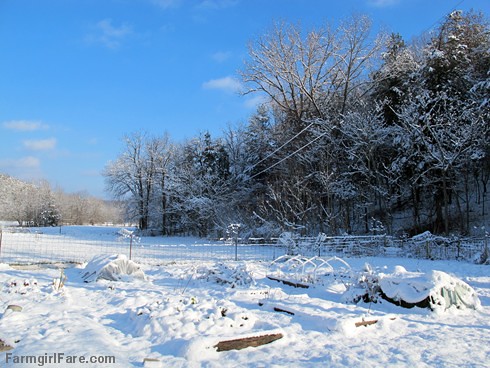
This Is A Lot More Snow Than Last Time—and the Garden Looks Even Prettier

Some of you are no doubt tired of hearing about our crazy and unpredictable Missouri weather, but it really does get in the way of gardening. Growing cool season crops is tricky because it stays like this and then warms up fast (like days in the 90s in April). Early and optimistic starts often end up freezing to death. On the other end of the growing season, with temps regularly in the 90s through September, it's often too hot to start fall crops in time to beat the oncoming cold. Not that this has ever stopped me from trying!

Last week my hunky farmguy Joe was clearing out beds (one benefit to neither of our antique tractors wanting to start!) while I direct seeded spinach without a jacket on, and this is the garden today. Yesterday about nine inches of snow fell in less than six hours. That's pretty unusual for us.

After I'd scattered spinach seeds over one entire 4' x 8' bed and sprinkled them with a thin layer of compost, we covered the bed with a sheet of 4 mil clear plastic (which technically isn't clear, but cloudy) in order to help warm the soil and speed up germination. (The other prepped but unplanted beds are covered with black plastic to warm the soil while keeping weed seeds from germinating.) That night a thunderstorm blew in, and it poured for hour, turning the lined spinach bed into a cute little pond. Now this. Joe says it just means we'll have really good seed to soil contact.

On February 20th, I thickly sowed some mache (a cool loving plant also called corn salad), Tom Thumb butter lettuce, and winter lettuce mix seeds leftover from 2008 in the greenhouse. No sign of them sprouting yet, but I'm still hopeful. Most of the greenhouse is full of overwintered Swiss chard that's now flourishing, so there isn't a whole lot of room for planting (not that I'm complaining), but I'm planning to tuck three kinds of beet seeds (also from 2008) and maybe some other stuff in there in the next few days.

Snow isn't a problem in the greenhouse, but Sylvester the cat is. It's a toss up when direct seeding-do I cover the bed with floating row covers and/or sheets to keep him from digging and keep the soil warmer at night, or do I leave them bare so he won't be inclined to curl up and sleep on the cozy covers? Oh, the things we animal loving gardeners have to deal with.


Comfy Cozy Are They? I Hope So.

Last Wednesday and Thursday, we put 400 little leek plants into the now snowed-in mini greenhouse bed above (for more about these handy and inexpensive shelters, see the comments section of
this post). It got down into the low teens last night, so at least they were insulated. Tonight it's supposed to be even colder, but today it's sunny and my nice insulation slid off. I'm still deciding how I should keep the plants warm tonight. Leeks don't mind cold weather, but I'm thinking 8 or 10 degrees F might really shock these little babies.

This is the first time I've purchased leek plants. I'll share some photos and write more about the planting process if they survive tonight. I'm just glad I didn't have a chance to put the 600 onion plants I also ordered in the ground yet. This was another first, as I usually
plant onion sets. I ordered 10 varieties, 60 plants each, including several types that really aren't suited for our area. I was feeling adventurous—and I guess last spring's super scallion bounty didn't scare me off.

I can't remember if that "In like a lion, out like a lamb" saying is about March or April. I do know that our April will be out like a lamb—in
the most literal sense. As someone who detests hot weather, I'm in no hurry for winter to end, but I'm definitely wondering what the rest of this month will be like. I figure I'll just plant when I can (paying attention to the moonsigns if possible) and hope for the best. Of course, I suppose that's what we always do in the garden, no matter what the weather or the season.

Is your garden still covered with snow?

Related posts:
6/12/05:
Onions in the Garden
6/16/05:
Three Onion and Three Cheese Pizza Recipe
2/20/06: Susan's Super Spinach Soup
3/26/06:
It's Time to Plant Onions!
4/2/06:
Interplanting Lettuce and Beets with Onions
6/7/08:
What To Do with 125 Green Onions?
Book Review:
Astrological Gardening:The Ancient Wisdom of Successful Planting & Harvesting by the Stars

© 2009 FarmgirlFare.com, the foodie farm blog where a snowy landscape is beautiful to look at but kind of hard to deal with—and now it's time to go get the animals and the garden ready for tonight's arctic blast.

Labels:

AddThis Social Bookmark Button