Sunday, March 25, 2007

What's Growin' On: 3/25/07


A Small But Determined Sign Of Spring

Realization Of The Day:
Spring will burst through anything.

When I first moved to Missouri, I read that you were supposed to do something (Plant potatoes maybe? Hunt for morel mushrooms?) when the oak leaves on the trees were the size of a squirrel's ear. I found this piece of advice both funny and odd. A squirrel's ear? Please. How are you supposed to know how big a squirrel's ear is? All I knew was that it had to be small. Really small.

But that's how spring starts out each year, isn't it? Small. Baby buds on the lilac bushes, delicate blades of grass, one tiny grasshopper. But just as you would have to look very closely at a squirrel to figure out the size of its ear, you have to look closely or you will miss so many signs of spring. I don't think I'll ever stop being amazed by how all those barely visible sprouted seeds in the garden turn into full grown beets and heads of lettuce and bushes dripping with beans and tomatoes. How can they do that? And how does the transformation seem to happen in only a matter of days? (Well, unless you're waiting for the first ripe tomatoes of the season.)

I don't know what size the oak leaves are right now, but I do know they're here (and the morels aren't--I checked this morning). And so is our lone clump of grape hyacinths in the front yard. I'd forgotten all about it until I nearly tripped over it yesterday as I was on my way back from one of my numerous lamb-checking trips to the barn. I was so surprised I actually said "When did that happen?" out loud. I love grape hyacinths, and I could have sworn they weren't there the day before. But as far as I know, unlike mushrooms, they do not pop up overnight. They were there alright, along with the oak leaves and the lilac buds and the itty bitty purple flowers I found sprinkled over one of the fenced pastures this morning. I just hadn't taken the time to notice them.

Spring is here, in all its glorious busyness. Slow down, slow down, slow down. You'll never figure out how big a squirrel's ear is if you don't.

From Garden To Table:
For the past few weeks I've been picking arugula and three varieties of Swiss chard that overwintered in the greenhouse and tossing them into the nightly salad bowl. Fresh parsley, too. Green has never tasted so good.

Wednesday, March 14, 2007

What's Growin' On: 3/14/07


First Of The Daffodils

Realization Of The Day:
Spring has sprung. Two days ago it was 80 degrees outside. We actually opened the windows to warm up the house.

Apparently Mother Nature doesn't care one bit that I am totally unprepared for spring. This photo was taken on the 8th and was one of only a handful of blooms. Now the yard is full of them. (Thank goodness for cheerful perennials that require no effort on my part.) When I mentioned missing the color yellow in my last post (written over a month ago? how is that possible?), I had completely forgotten that the first flowers to come up here are the daffodils. I guess Mother Nature does care about me after all.

If your gardening brain is still stuck in January like mine (why am I having so much trouble grasping the idea that it is March?) fear not--you are among friends. Well, actually you probably should be fearful. If we don't get a move on and start some seeds real soon, we're not going to have anything to eat in a couple of months.

It looks like this will be the year I plant nearly all of my seeds directly into my raised garden beds. I usually start dozens and dozens of types of seeds indoors (or in the greenhouse) in flats of little containers, but as far as the cooler season crops are concerned, I've missed the deadline by a longshot.

In a way it's kind of a relief. It'll be nice not to have those hundreds of rootbound, dying-to-be-transplanted seedlings staring guiltily at me every time I get near them. As of right now there are only about two dozen of them, and that's plenty. They're the broccoli seedlings I started way back in early January when I was sure this was going to be The Year Of The Massive Broccoli Crop. Not gonna happen. That one beautiful little broccoli head in the greenhouse? While it was covered with blankets and sheets during the single digit temps, something somehow sneaked under them and ate it. Munched the entire thing off, as well as all the tiny side shoots. I still can't believe it.

The scraggly seedlings had been bravely clinging to life under the flourescent shop light I have tucked under a bookshelf in my office while I spent weeks and weeks ignoring them. They nearly perished when I forgot to water them for, um, a while, but once I finally did they (of course) sprang back to life, so I sprinkled some compost around them and set them in the greenhouse. Maybe I'll get them transplanted into individual plugs. Probably not. I might try putting them straight out into the garden instead--save a step and some time.

The nice thing about broccoli plants is that even if you get yours in the ground too late for a decent head of broccoli to form, you can still harvest plenty of bounty. Yep, all those tender little leaves can go straight into your salad bowl. They're quite tasty, and you know they must be super good for you. Broccoli is one of the few vegetables where we eat only the florets--but there's simply no reason for that.

I did sow some seeds in the greenhouse last week--mostly lettuce. But I realized this morning that was probably a stupid thing to do, as the greenhouse will start heating up like crazy with these warm and sunny days. Lettuce is only too willing to turn bitter and bolt, which is why if I wanted a greenhouse spring lettuce crop, I should have started it back in, oh, January.

But of course that's where my gardening brain still is, isn't it?

Next week the moon will be in the first quarter, which is the best time to start most seeds (except squash, tomatoes, and peppers, but I'm going to anyway), as well as onions. I'll be starting seeds and planting onion sets (barring any unforeseen lambing crises) on the 21st and 22nd as they are the fertile days. Wondering what all this minding the moonsign business is? Click here to read more about it. But be warned--once you find out about all the "bad" times to plant, your gardening schedule might be thrown even more out of whack. If nothing else, it'll give you yet one more thing to fear. On the other hand, if you don't follow the rules and have crop failure, at least you'll have somewhere to lay the blame.

P.S. My apologies (once again) to those of you who asked questions in comments and haven't received a reply. If you're still wondering about something, you're always welcome to e-mail me: farmgirlfare AT gmail DOT com.

Sunday, February 04, 2007

What's Growin' On: 2/4/07


Realization Of The Day:
I love the colors of winter--the muted pastels of the fields and sky, the brilliant white of the snow (that is currently covering most everything). I do not find our winter landscape drab or depressing in the least, but it does have a certain subtlety to it. While spring and summer hit us head on from every direction with their flashy brilliance, you have to slow down and look for the colors of winter. For they are there. They most definitely are there.

That said, I must admit that by the time February rolls around, I catch myself yearning for yellow. Between its prevalence in nature during spring and summer, plus its tendency to fade behind behind the vivid greens and dazzling reds in the garden, I find myself taking this cheerful color for granted. But I suppose if it never disappeared, I wouldn't have the chance to miss it.

The plant in this photo is a volunteer mystery squash that appeared late last summer in one of my raised beds. I think it is actually some sort of weird hybrid of squash and gourd. Unfortunately it froze to death before I was able to harvest any of the little whatever-they-ares. But I do enjoy looking back at this photo in all of its yellow splendor.

Bizarre and puzzling plants in the garden can be fun, but to assure yourself an edible harvest all you have to do is order seeds from a reputable dealer. The good news is that I already placed and received my two large seed orders this year. The bad news is that the post I began writing about ordering seeds back in early January still sits unfinished.

I had planned to discuss some of the varieties of different vegetables I ordered, as well as some of the things I won't be growing this year. Maybe I'll get to it, maybe I won't. All that free time I thought I'd have this winter to catch up on last year's happenings in the garden has not yet materialized (though at least I have photos). And now it's already time to start seeds again.

Regular readers already know the two seed companies I love most--Pinetree Garden Seeds in Maine and Baker Creek Heirloom Seeds located right here in Missouri. I have been ordering from both places for many years and have never been disappointed.

Pinetree specializes in smaller seed packets for the backyard gardener. This means you can go crazy ordering and still possibly have planting space for everything--but no promises because many of their seed packets cost under a dollar, and it's very easy to add just one more, and one more, and oh-what-the-heck-I'm-sure-I-need-one-more. . . Pinetree also offers all sorts of reasonably priced (and hard to resist) garden gadgets and accessories, including floating row covers and my beloved Oriental Garden Tool.

Baker Creek has grown by leaps and bounds since it was started by 17-year-old Jere Gettle 10 years ago. They now offer over 1000 different kinds of heirloom seeds from all over the world and the most amazing collection of melon seeds you'll probably ever find. Prices are extremely fair, too, with most packets priced under $2.00. This is the place to go if you enjoy growing the obscure, the rare, and the just plain weird. Baker Creek also hosts two giant gardening celebrations a year and publishes a quarterly magazine called The Heirloom Gardener. More information about both is available on their website.

While both companies have excellent websites where you can easily place orders, I prefer to flip through old-fashioned catalogs. They're also nice to have on hand for later reference (not to mention late season orders). And many seed catalogs are chock full of helpful growing tips.

A great place to find answers to all your gardening questions (including the ones you've asked me that I haven't had a chance to answer--sorry!) is at Baker Creek Heirloom Seeds' iDigmyGarden.com. With nearly 2,000 members and over 20,000 posts, it's the Internet's largest forum dedicated to the heirloom gardener.

My favorite edible gardening book for the past 5 years has been The Vegetable Gardener's Bible by Ed Smith. Click here to read my review of it.

Not sure if you should take the seed starting plunge? Click here to read how you can easily and effortlessly go from seed packet to salad bowl in less than a month--no matter where you live.

And while you're waiting for me to tell you about my favorite varieties of veggies, why not share yours? Oh, and please save us some trouble and heartbreak--be sure to include the stuff on your No Way Never Again list, too.

Monday, January 08, 2007

What's Growin' On: 1/8/07


Whitey Goes Green

Realization Of The Day:
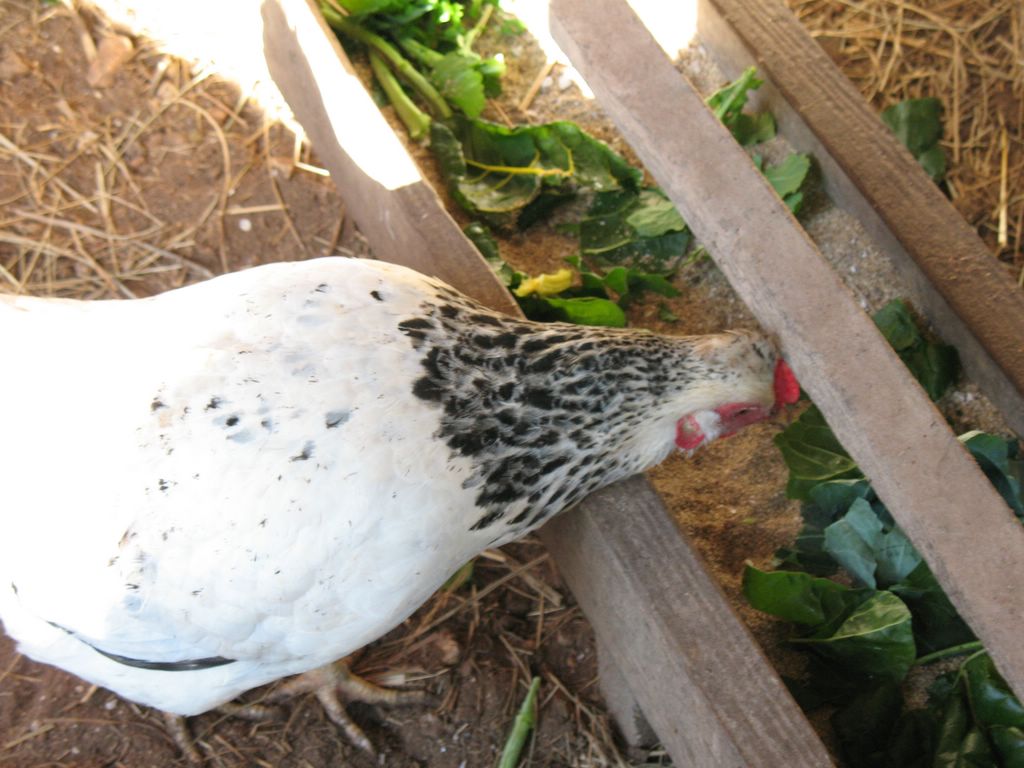
My chickens are foodies.

Harvest For The Henhouse:
A breakfast of freshly picked (slightly less than perfect) arugula, parsley, two kinds of Swiss chard, and a few giant broccoli leaves from my one lonely plant, all from the greenhouse and all heirloom and organic, of course. No bounty goes to waste around here. And I love knowing that plenty of dark green leafy vegetables are making their way into our farm fresh eggs. Now if only Whitey would find the time to go back to laying them. . .

Beyond The Garden Gate:
Have you voted yet?
The Food Blog Awards, hosted by the Well Fed Network, are going on now, and everyone is invited to vote for their favorite blog in each category. Click here for the complete list of categories and nominees. I'm thrilled that my main blog, Farmgirl Fare.com (which I consider In My Kitchen Garden to be a part of), is a finalist in the Best Food Blog--Rural category. Click here to check out my competition and cast your vote. The voting ends Tuesday January 9th at midnight EST. This is also a wonderful opportunity to discover some tasty new blogs.

Feel Like Shopping?
I've added several new items to my Farmgirl Fare Favorites Store at Amazon.com, as well as some new product categories, like Garden & Greenhouse Stuff and On My Bookshelf. Too cold to work in the garden? Why not curl up under a quilt with one of My Favorite Movies instead. Check back often, as my store is a work in progress. And since it's part of Amazon.com, you'll enjoy things like free Super Saver Shipping on thousands of items, totally secure ordering, easy returns, and of course great prices. If you'd like to read more customer reviews about any item in my store, simply highlight and paste the product name, click on Go To Amazon.com in the top right corner of the page, and paste the product name into the search box.

Right now you can Save $25 when you spend $125 or more on Kitchen & Housewares or Bed & Bath products offered by Amazon.com, including items purchased through my Farmgirl Fare Favorites Store. (A few products, such as All-Clad, do not qualify.) Just enter code CLEAROUT at checkout.

Coming Up:
It's seed ordering season!

Friday, January 05, 2007

What's Growin' On: 1/5/07


Realization Of The Day:
Things are definitely looking up in the broccoli department.

Some of my very favorite foods begin with a 'b': bread, brownies, biscuits & gravy--and broccoli. I absolutely adore broccoli. If I could only grow six things in the garden, one of them would be broccoli. And now, ten years after my only decent harvest (though not for lack of trying), it looks as if I actually can grow it.

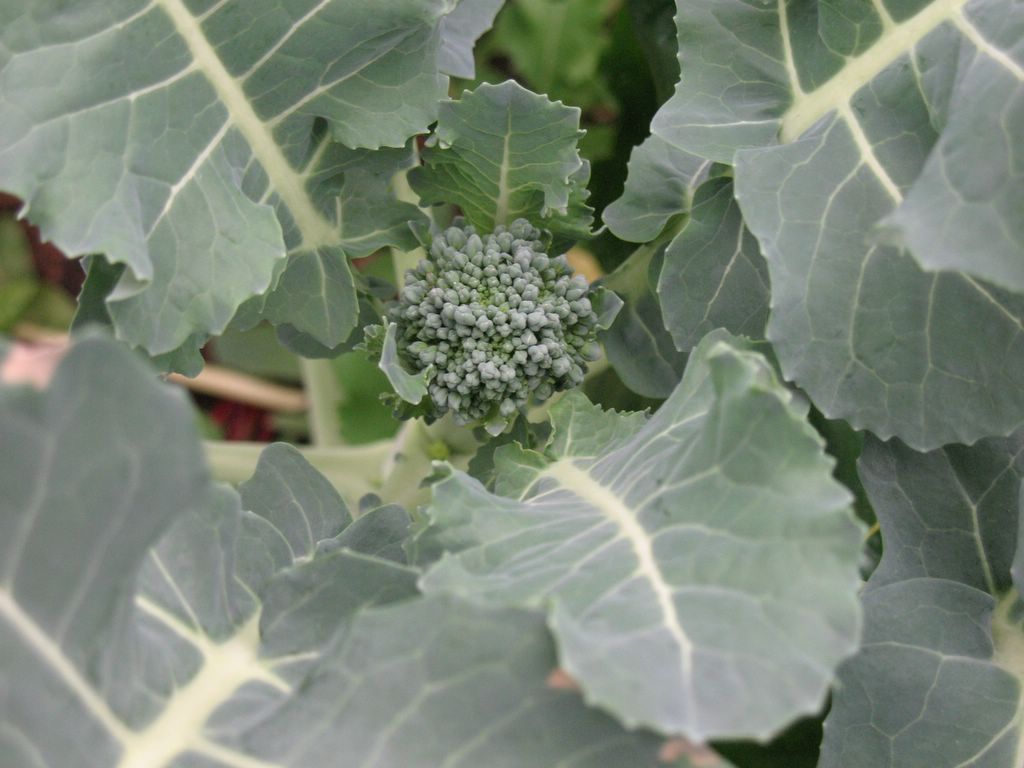
I've never had broccoli in the January garden before, and I am just tickled. This photo was taken earlier today in the greenhouse. It is either Calabrese Green Sprouting (an Italian heirloom brought to America in the 1880s) or good old Waltham 29 (a standard, open-pollinated variety introduced in 1954). Unfortunately it is not surrounded by a dozen or so other plants that look exactly like it--it is surrounded by Swiss chard (which I also adore, but not in the same lovesick way as broccoli).

This was a lone seedling that I transplanted on a lark into one of the greenhouse raised beds sometime around the end of August. It was a volunteer that had sprouted up in a container of something else (I think a tomato plant), and I of course didn't have the heart to simply toss it into the compost bin--unlike the three containers of broccoli seeds I started last February. And am I sure glad I didn't--because the seeds I planted directly in one of the new beds on the south edge of the garden sprouted, turned into cute little seedlings with lots of potential, and were all devoured by deer or The Rabbit when I wasn't looking.


December 17th: The Day Of Discovery

I was thrilled when I noticed a tiny head peeking out from the enormous leaves several weeks ago. But while both the plant and the head have been steadily increasing in size, progress is slow. In my Pinetree Garden Seeds catalog (great seeds, great prices) it says that Waltham 29, for example, matures in 85 days. I'm never sure exactly when you're supposed to start counting the days, but this plant has now been in the ground for over 120, and it's still got a long way to go. I'm not complaining, but I am a little worried, as I read something about broccoli yesterday that I never knew. According to Ed Smith, author of The Vegetable Gardener's Bible (a wonderful book I highly recommend for any kitchen gardener), "long exposure to cold" may produce a tiny broccoli head, or button. Ack. I'm assuming that winter in Zone 5 qualifies as "long." We've already had temps down to zero degrees F, and I hate to say it, but it kinda looks like some of those buds are threatening to open real soon. It will be interesting to see what happens.


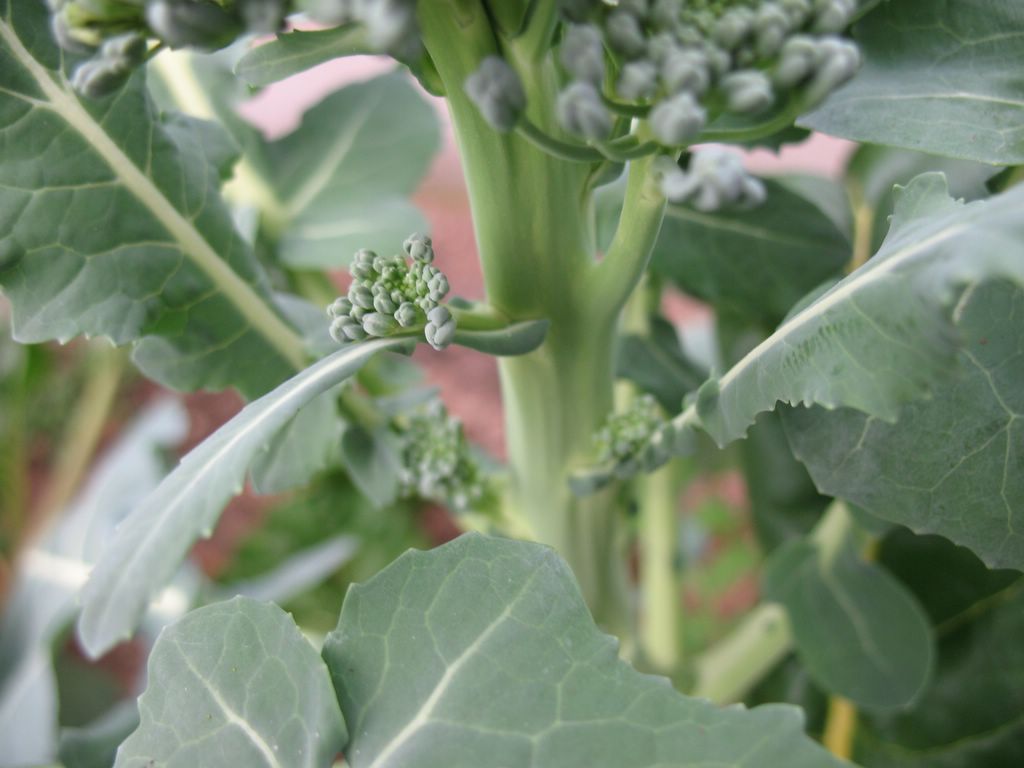
On the upside, there are at least 8 or 9 adorable little side shoots poking out of the stalk below the main head, a characteristic of both Calabrese Green Sprouting and Waltham 29.


These free florets will increase in size once the main head is harvested and are always a welcome bonus.

No matter what happens with this broccoli plant, I'm already looking beyond it. For on January 3rd (a fertile day in the 2nd quarter--click here to find out what this is all about), I started two small containers of 2006 seeds (from my favorite Baker Creek Heirloom Seeds) that have been strategically placed near the woodstove in the living room: yep, more Calabrese Green Sprouting and Waltham 29 broccoli. This is another first. I've never started broccoli seeds this early. I am excited. Because as tasty as they are, a girl can't live on bread and brownies and biscuits & gravy alone--once in a while she's gotta get her broccoli.

And I think this just might be the year I do.

Offshoots to this post:
Susan's Simplest Broccoli Soup--Another Less Fuss, More Flavor Recipe

Monday, December 25, 2006

What's Growin' On: 12/25/06


Wishing you peace, beauty, and joy--
in & out of the garden, today and every day.

Merry Christmas!

Monday, December 18, 2006

What's Growin' On 12/18/06: December Greenhouse Green


Swiss Chard & volunteer arugula

Realization Of The Day:
Things are still green in the greenhouse—but they are no doubt pretty confused. That storm I wrote about on November 30th did sift a pretty layer of snow over the farm, though not the 5 to 9 inches that were predicted (which was just fine by me). And I was right about our wet weather creek—it started running after just one day of rain, which almost never happens.

Plenty of ice followed the snow, and it got very, very cold. Like 0°F (or maybe even lower—I stop checking the thermometer when it drops below about 10) kind of cold. And the power was out for about 21 hours.

My somewhat reliable digital thermometer I have tucked in a raised greenhouse bed recorded a low of 20 degrees in there. But thanks to floating row covers, old bed sheets and quilts, and a little oil-filled radiator heater*, nearly all of my plants survived.

They spent some time in the dark (when I didn't bother to uncover them) and the taller ones are a little flattened, but they're alive and that's all that really matters. (Click here for a list of everything that's still growing in the the greenhouse right now.)

Then it got hot. Okay, not exactly hot, but that's how 66° feels in the middle of December after you've just spent the past couple of weeks clomping around with constantly cold toes and three or four layers of clothing on. We've been breaking heat records left and right. It's mostly been cloudy, but when the sun does out, it heats up very quickly in the greenhouse.

I can only imagine what the plants are thinking.

* These oil-filled radiator heaters are perfect for greenhouse use as they are very safe, easily moved, hard to tip over, have variable settings as well as an automatic thermostat, cost about $50, and don't use much electricity.

I only use mine on the coldest of nights, and although the greenhouse plastic cover doesn't hold the heat all that well, I think those few extra degrees do make a difference. I set it at 600 watts, so it only costs about 5 cents an hour to run. And of course if the sun comes out during the day, it'll automatically turn itself off until the air cools down again.

We have four of these heaters because they're so handy. There's a newer one right next to me here in my little office that can be set to the exact temperature you like. I put it at 60 or 65 degrees, shut the door on very cold nights, and it stays toasty in here without pulling in heat from the adjacent living room where the wood stove (our main source of heat) lives.

We also keep one in the tiny insulated well house, again set on low, but also attached to a simple outlet timer. It goes on for several hours each night and keeps the water holding tank in there, as well as the pipes, from freezing.

© FarmgirlFare.com

Thursday, November 30, 2006

What's Growin' On: 11/30/06


Realization Of The Day:
It's time to harvest everything still growing outside in the garden.

Five to nine inches of snow are predicted to fall tonight, and the rain that has been steadily coming down for about 20 hours has turned into something that crackles when it hits the windows. There are flood warnings in effect until tomorrow, and I wouldn't be surprised if our wet weather creek started flowing.

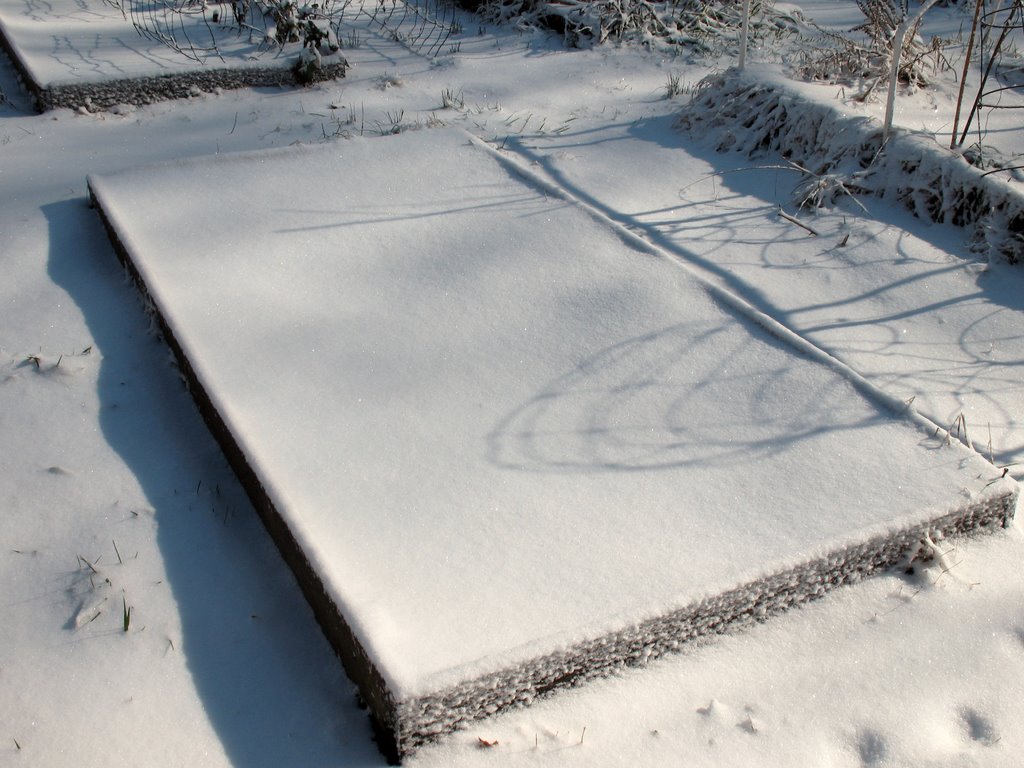
It's not the snow I'm worried about, though--it's the several nights in the single digit temperatures supposedly on their way. A heavy snowfall can actually be a friend to the cold season gardener, as the snow acts as a wonderful insulator on both the mini greenhouses and the large greenhouse. But since I can't be sure that we'll end up getting those 5 to 9 inches, I'm taking the Better Safe Than Sorry approach today rather than gambling with the goods like I usually do.

While I may be able to (for once) ignore my obsessive leave-it-in-the-ground-because-you-know-you-want-it-freshly-picked mindset, I naturally waited until the last minute to do the actual deed. I harvested the Oriental greens yesterday, but there is still half a raised bed of mixed baby lettuces and another filled with Batavian Full Heart endive, Russian Red kale, Nero di Toscana cabbage, and Swiss chard. There's the original spring planting of Nero di Toscana, too, with its larger leaves that I decided yesterday should definitely be put into some soup. I think I may leave the few struggling beets out there as an experiment. So as soon as my wet gloves and overalls hanging by the woodstove are dry, and I've finished my Tension Tamer tea, I'll be headed back outside. The ground is already turning white.

The unheated pantry will be perfect for storing all of these greens, which is good because there's no way they'll fit in the fridge. I will go ahead and take my chances in the greenhouse. Like I do each year when it gets this cold, I'll cover the arugula and Swiss chard and various flourishing herbs with floating row covers and old bedsheets, plug all the holes up the best I can, turn on the little radiator type electric heater I use out there on just such occasions, and hope that nature's insulated blanket falls before the temperature does. Everything out there (except for the rosemary) has survived previous winters just fine. One of the rosemary plants is growing in a pot, and I may move it and a few other potted herbs into the house for the next several months. Okay, yes, it's all coming back to me now. I really do think I must block out much of what goes on during the previous seasons. Either that or my memory is simply shot.

I'd by lying if I said that when the weather people start bandying about phrases like "ice pellets" and "accumulated sleet," and the wind is whipping across my wet face and my fingers are stiff with cold, the thought "I left Northern California for this?" doesn't flit briefly through my head. But then a more immediate question comes to mind: "How badly do I really want that last bit of lettuce?"

There is often great beauty to be found during these arctic blasts. Thousands of frozen water droplets glisten from every branch, and when the entire landscape is encased in ice it truly does look magical. But this is the kind of beauty I much prefer admiring from behind a pane of glass while snuggled next the fire, slurping up a cozy bowl of soup. With a fresh garden salad on the side of course.

Friday, November 24, 2006

What's Growin' On: 11/24/06


Realization Of The Day:
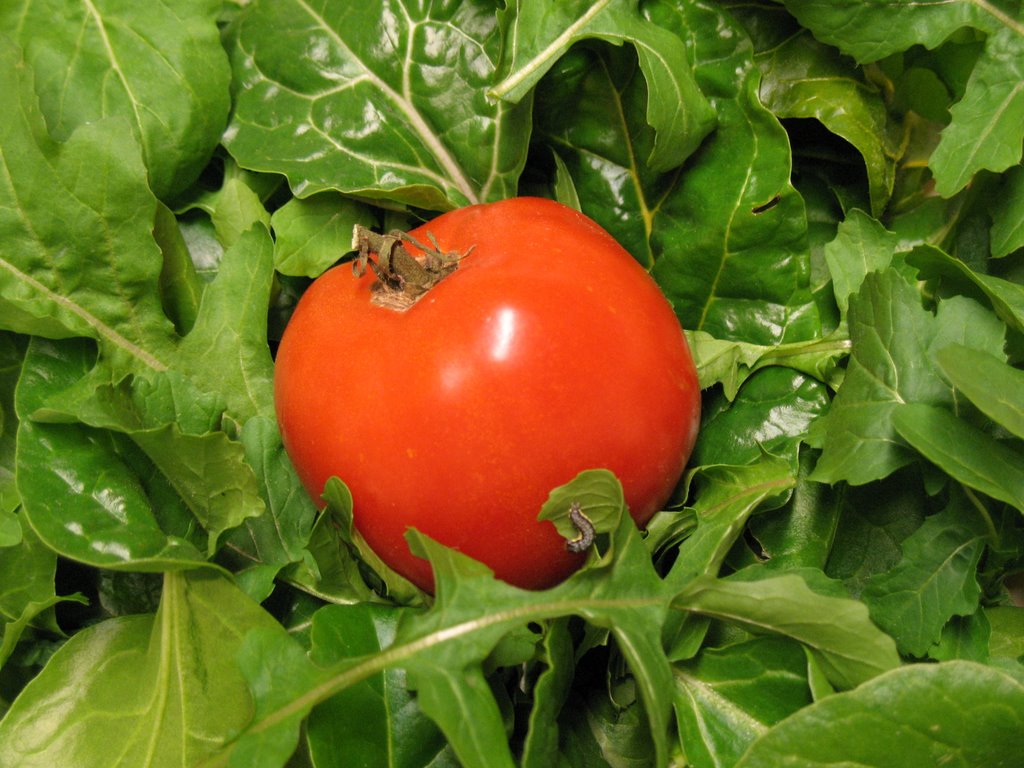
This would have made a perfect Christmas salad, but it sure tasted good on Thanksgiving.

The tomato is a VFN, an easy to grow, disease resistant, heirloom salad variety that has been a mainstay in my garden for years, and whose boring name comes from the first letters of the three diseases it is resistant to: Verticillium wilt, Fusarium wilt, and Nematodes. I picked it (and many others) back in mid-October when the nighttime temperatures began to plummet. It's been living in the cool pantry all these weeks, slowly turning from green to red. While the flavor was (understandably) not comparable to its warm from the sun, vine-ripened counterparts, it was still very, very good--and a glorious addition to the holiday table. Is it wrong to be so thankful for a tomato?

The tomato is resting on a pile of freshly picked arugula and baby Swiss chard from the greenhouse. What you can't see are the perfect little Nero di Toscana Cat Cabbage leaves hiding underneath. I have several dozen small plants still thriving in a raised bed outside, as well as a few from my original spring planting. If it's possible, I think I love this stuff even more than when I wrote about my romance with it back in September.

And yes, believe it or not, that is indeed a tiny worm on the arugula. I was surprised to see it, considering we've had several mornings in the teens, and even if it had been hunkered down in the greenhouse it still must have been awfully cold. But, while its hundreds of ravenous and ruinous friends and relations were one of the banes of my organic gardening existence throughout the spring and summer, my first thought when I discovered this one last night was that it was actually kinda cute.

It must have been the champagne.

Tuesday, November 21, 2006

What's Growin' On: 11/21/06


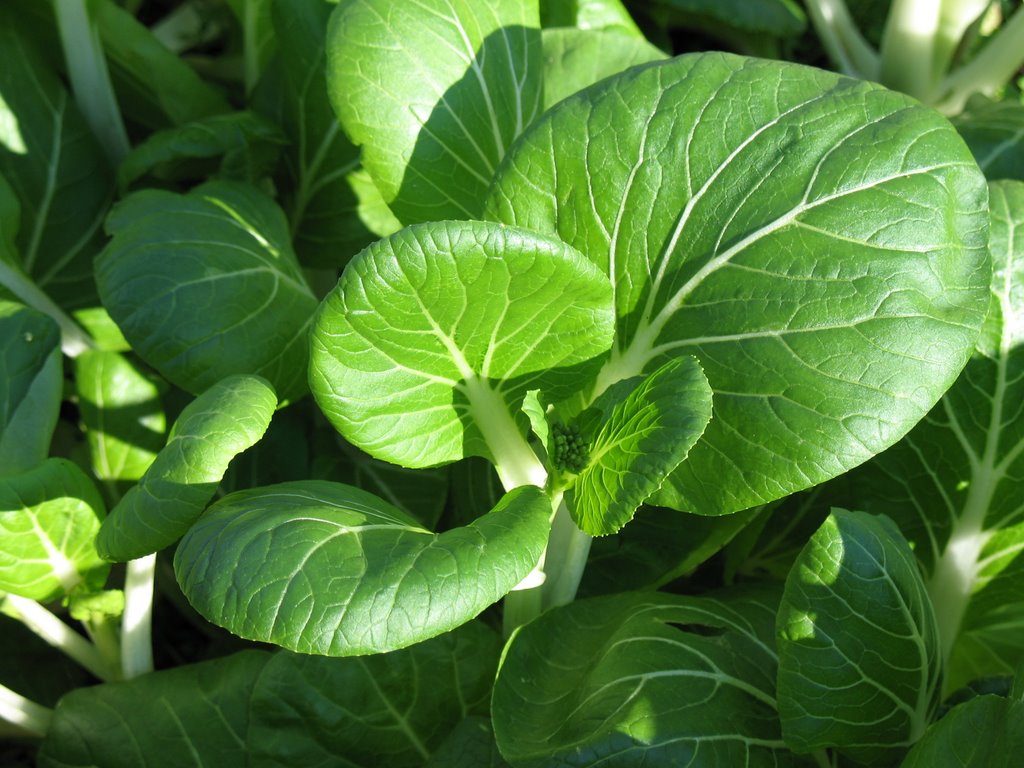
Chinese Pak Choy Direct Seeded In Early September

Realization Of The Day:
If I don't get caught up soon, I'm going to look back at this so-called garden journal and think nothing was growing in November--when in fact this has been my best year yet for fall crops.

Because I can't seem to get around writing the detailed posts about all of the wonderful greens and other things I have been harvesting for the past two months, here at least is a list of what is growing now, with links to previous posted photos or write-ups about them.

From Garden To Table:
--Chinese Pak Choy
--Canton Bok Pak Choy
--Batavian Full Heart Endive
--Nero di Toscana Cat Cabbage
--Russian Red Kale
--Several varieties of lettuce
--Three kinds of mostly red beet greens (sort of still alive)
--Kohlrabi (bulbs too old to eat, but still putting on new leaves)
--A few scraggly garlic plants, started as an experiment in late summer to see if I could get another crop of green garlic
--Garden Mint

And in the greenhouse:
--Arugula (in the new permanent arugula bed)
--Swiss Chard
--Italian Flat Leaf Parsley
--Rosemary
--Lemon Thyme
--English Thyme
--Sage
--Greek Oregano, Lemon Balm, Pineapple Mint, & more Rosemary in pots

Yes, I've been enjoying enormous, freshly picked salads almost every night. And they taste all the better knowing that I've been using my Gardening On The Cheap tricks to outwit the weather and extend the harvest--my plants have no idea it was 16 degrees the past two mornings. Okay, they might have a slight idea. But still. This gives a whole new meaning to the term Victory Garden. Yes!

Monday, November 06, 2006

What's Growin' On: 11/6/06


Realization Of The Day:
It took me so long to get around to posting this photo that it is now completely irrelevant. (But I really like it so I'm putting it up anyway.)

This is a close-up of one of the three Aconcagua pepper seedlings I transplanted into the greenhouse back on August 12th. They were leftovers from summer, and rather than simply toss them into a compost bin, I figured I'd put them in the ground and see what happened--knowing full well that it takes something like 80 warm days for these peppers to mature and that we would probably be seeing frost in about 60. What can I say? I'm a sucker for a poor, forgotten plant. In the photo you can also see some of the basil I transplanted at the same time--more seedlings that had been languishing in tiny plugs for months.

Both the peppers and the basil were thriving despite a few nights at 21 degrees F. There were even several peppers a couple of inches long and looking very hopeful. But last week the temperature dipped into the teens, and despite my covering the plants and the protection of the greenhouse, well, all that's left now is a soggy, stinky mess. Yeah, I really should have harvested that basil.

The way I see it, though, is that not only did I enjoy having those warm weather plants in the greenhouse for a while, but now I have more available growing space. This also shows that if you live in a slightly warmer climate than I do (we're Zone 5), you might just be able to keep peppers and basil growing well into winter. And maybe even tomatoes, too. On the other side of the greenhouse was a lone Thai Pink Egg tomato plant that sported several blossoms and even one cute little tomato. (Another forgotten, pathetic, rootbound specimen I didn't have the heart to toss out last summer.) It's history now, too, but many years ago I did harvest ripe greenhouse tomatoes in January, and ever since then I've been willing to take my chances.

If you do plan to nurture tomatoes through the colder months, I suggest growing cherry tomatoes as the fruits take much less time to mature than larger varieties. Those January tomatoes I enjoyed so much were actually teeny tiny red currant tomatoes. They are cute as can be and practically as sweet as candy. I've found the plants to be easy to grow and resistant to diseases, pests, and weather fluctuations.

Hmmm. I wonder if I should start some seeds now. Ripe garden tomatoes on Valentine's Day, anyone?

Realization #2:
I have no idea why I thought I'd suddenly have tons of time to spend blogging once fall arrived. Instead I seem to be busier than ever. So much to write about, so much still to do in the garden. But I hope to be back to posting more frequently soon. (And I'm also behind on answering questions. Thanks for your patience.)

Sunday, October 29, 2006

What's Growin' On: 10/29/06


Realization Of The Day:
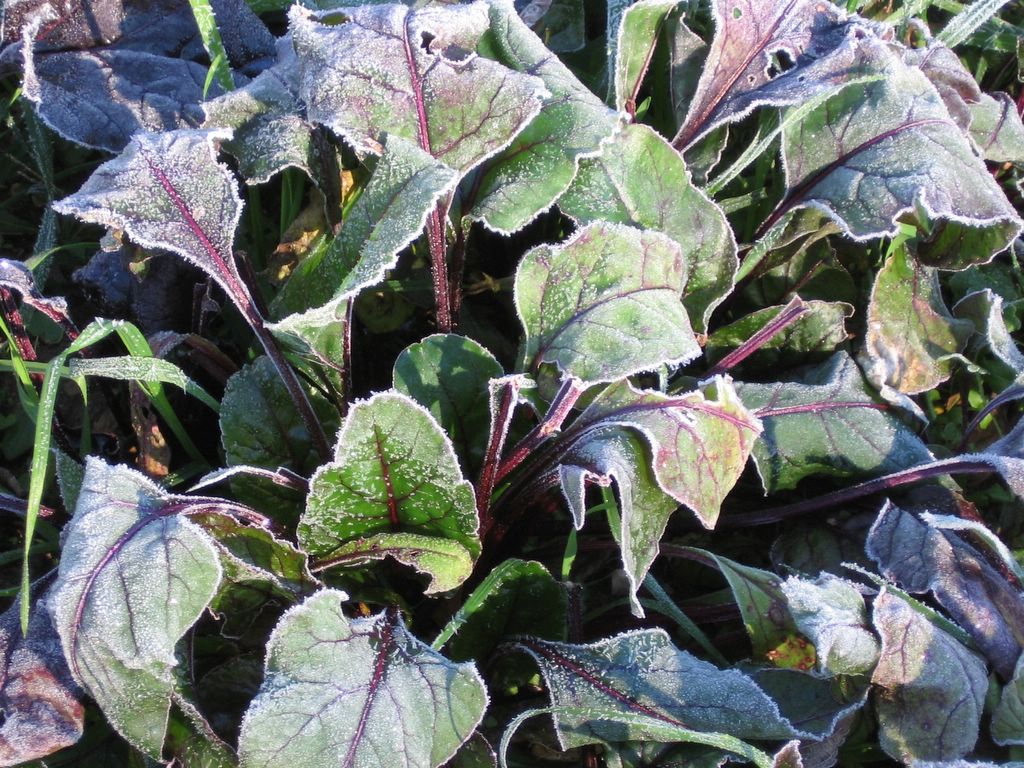
Sometimes the only thing you can say is, "They sure look pretty when they're frozen."

These are Crosby's Egyptian beet greens (although there's a slight chance they might be Detroit--don't ask) that survived a few nights in the 20s quite well just covered with an old bedsheet. Then I forgot to cover them. For some plants, that little bit of protection can mean the difference between death and the dinner plate. Oh well.


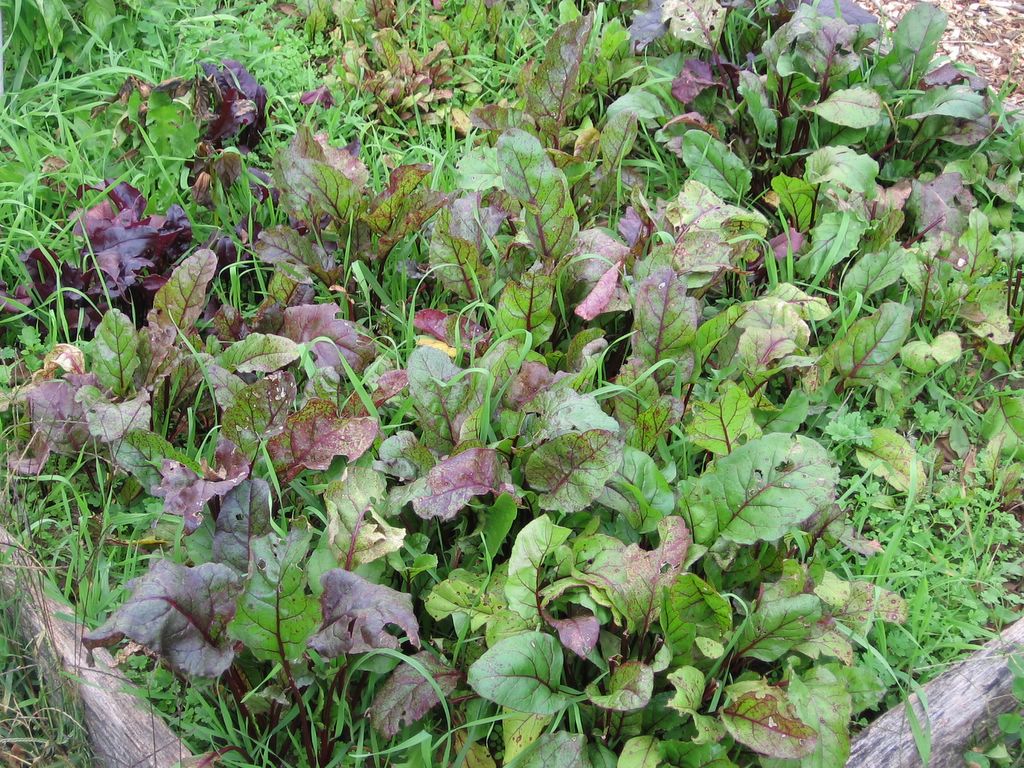
Fall Beet Bed Back On October 10th

These are (were) growing at the other end of the raised bed where all that volunteer basil came up (it's history now, too, despite being covered, but that's understandable). I direct seeded three varieties of beets back on August 8th (Detroit, Crosby's Egyptian, and Bull's Blood), and not long after they had sprouted the dogs ravaged the bed. Fortunately more seedlings survived than I first thought, so I've been enjoying the tender, beautiful leaves tossed in salads for several weeks. (I have been known to sow beet seeds without any intention of ever harvesting the beets themselves because I love the greens--which are often more redish purple than green--so much.)

A few leaves survived the accidental freeze, but overall the plants are now looking pretty dismal. What's interesting is that there appears to be no rhyme or reason regarding which plants died and which didn't. It wasn't only one hardy variety that toughed it out. It wasn't even just certain plants--there are many that have mostly dead leaves but a few that look fine.

In the last post about my fall lettuce crop, I promised I would write more about my cheapie methods of extending the growing season. I'd completely forgotten that I sort of covered (ha ha) this subject back in August. So until I get around to writing more, you can click here to read all about the wonders of using floating row covers, along with some other tips on fall planting. Of course no matter what materials or methods you choose to employ, the most important thing is (surprise) to actually remember to use them, as so clearly evidenced above.

Out Of My In Box: I've Dug Up Some Discounts
1.
Gardens Alive!, a wonderful environmentally-friendly mail order company I wrote about in September (click here and scroll down to "Out Of My In Box item #2) is offering "spooktacular savings" of 20% off all items sitewide through November 1st. Just use Offer Keycode: 143032.

2. Amazon Grocery is offering a $10 instant rebate when you spend $49 or more on any combination of items, including food and household items. Just use code GROCERY3 when you check out. This offer is valid through November 30, 2006, and there is no limit to the number of times you can use it. Plus, all products offered in Amazon Grocery are eligible for Amazon Prime and FREE Super Saver Shipping.

This relatively new store at Amazon.com (that I first wrote about in the article "I Can't Live Without. . . My Wide-Brimmed Sun Hat!" because they sell my favorite sunblocks) offers more than 14,000 non-perishable items, including many from some great companies--Celestial Seasonings (my beloved Tension Tamer Tea plus 90 other items), Newman's Own Organics (47 items), and even Wild Oats (110 items). There are also 55 different Seventh Generation products available. Too cold to work in the garden? Click here to start shopping at Amazon Grocery instead. And click here to visit my Farmgirl Favorites Store at Amazon and see what I can't live without.
From Garden To Table:
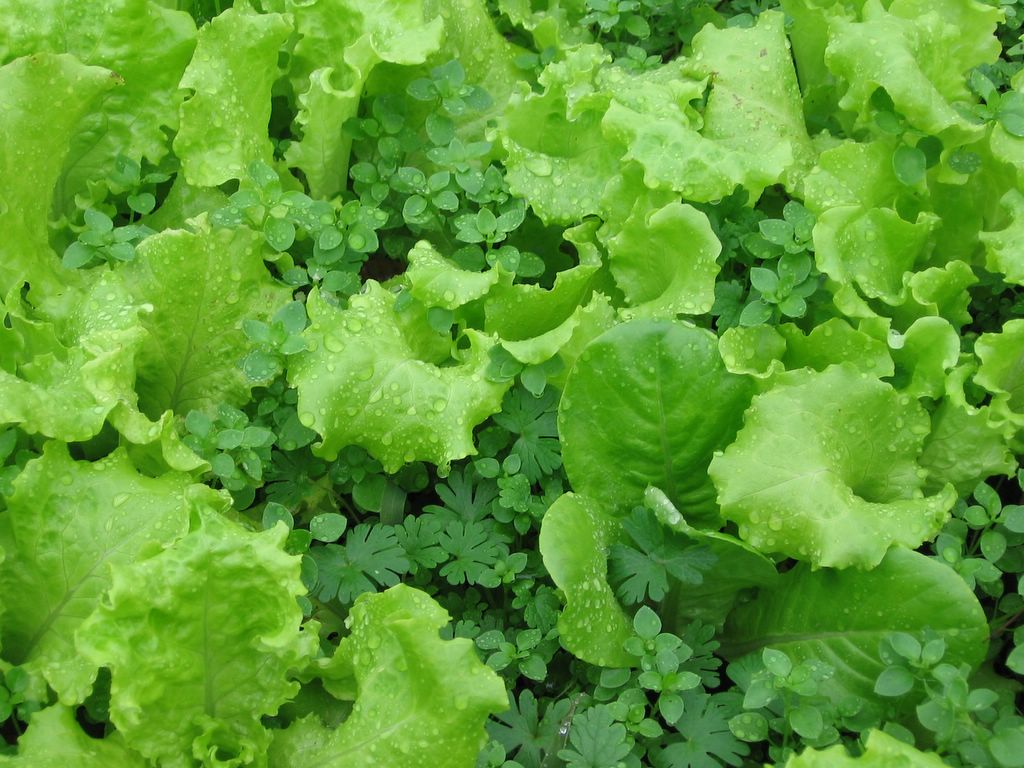
Lots and lots of beautiful fall bounty! More about it coming up.

Wednesday, October 25, 2006

What's Growin' On: 10/25/06


Realization Of The Day:
At this time of year, even the little weeds look pretty. This is one of the varieties of lettuce I direct seeded into a mini greenhouse raised bed back on August 30th.

Realization #2:
I just figured out what variety it is!

I read over the list I'd made of the different lettuce seeds I started in that bed and couldn't find one that sounded anything like this. For some reason (even though it's right there in my 2006 Baker Creek Heirloom Seeds catalog) I didn't include the description in my list. So it's Gentilina: "Lovely, bright green, frizzled, leafy heads that are very ruffled. Good resistance to bolting. Tender leaves are first rate in salads; an extra fine Italian variety."

And there's the reason I'm sure I ordered it--that "good resistance to bolting" you know I can't resist. Though the words "frizzled" and "ruffled" probably would have won me over on their own. The tender leaves are indeed first rate in salads, and I have been enjoying them for several weeks now. Of course hot weather and bolting aren't going to be a worry for this crop--just the opposite. So far so good. This lettuce and the other varieties that sprouted along with it have survived several 21 degree nights with minimal protection, though I did officially "set up" the mini greenhouse the other night.

I'll write more about my Gardening On The Cheap methods for extending the harvest in my next post--which should be up soon. And don't think this site will be hibernating for the winter. No way. I have too much backlogged information from spring and summer to share--as well as lots of photos and a few more of my Less Fuss, More Flavor recipes. And of course there is something going on in the garden and greenhouse every day of the year--even if it is just protecting plants or snapping snow photos.

Today it's rainy and cold, though, so I'll be tucked inside the house for much of the day, soaking up the cozy warmth. The woodstove in the living room is crackling merrily, and my wooden dough bowl is perched right next to it, full to the brim with rising dough for a new bread I just invented. Wood heat, warm bread, wonderfully rainy weather. Oh, how I do love autumn!

Sunday, October 15, 2006

What's Growin' On: 10/15/06


Before


After

Realization Of The Day:
The garden is always full of surprises. And many of them are good ones!

Regular readers of In My Kitchen Garden have no doubt realized by now that unless a plant's situation is really and truly hopeless--or I am desperate for space in the garden--I refuse to pull anything out of the ground.

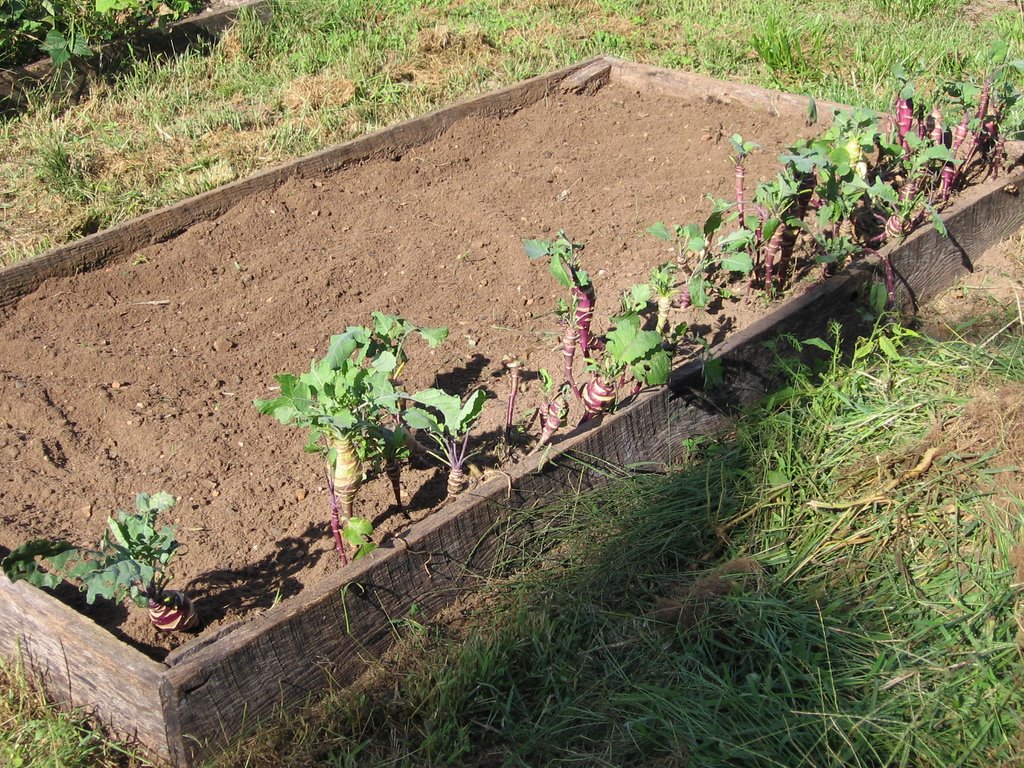
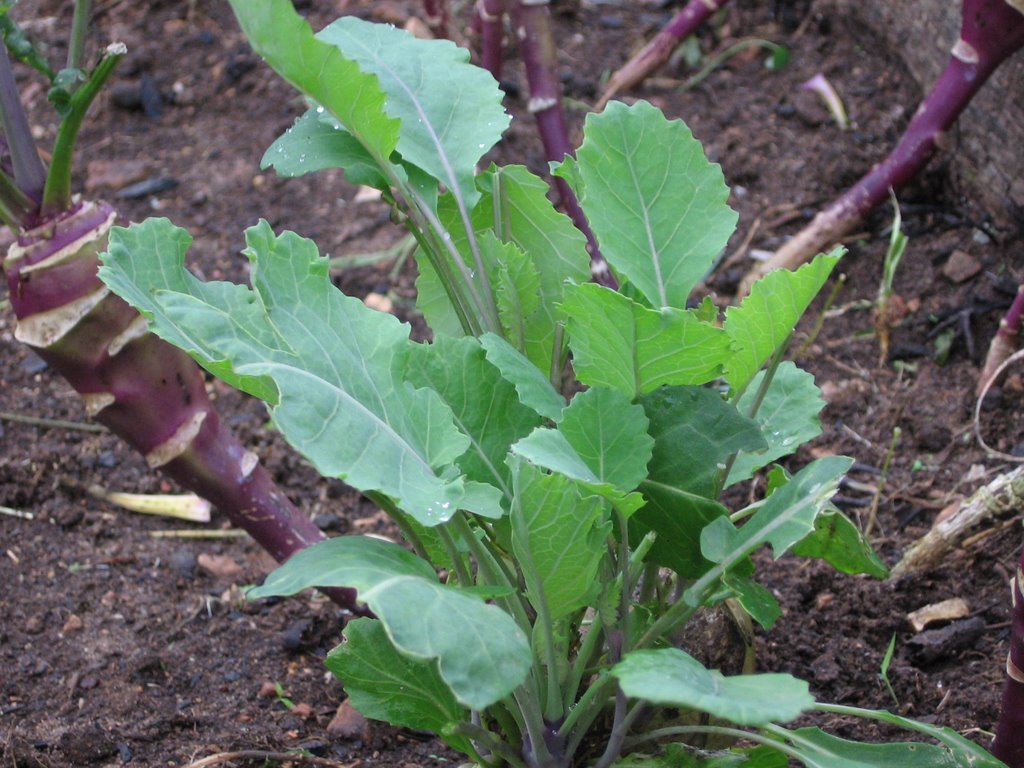
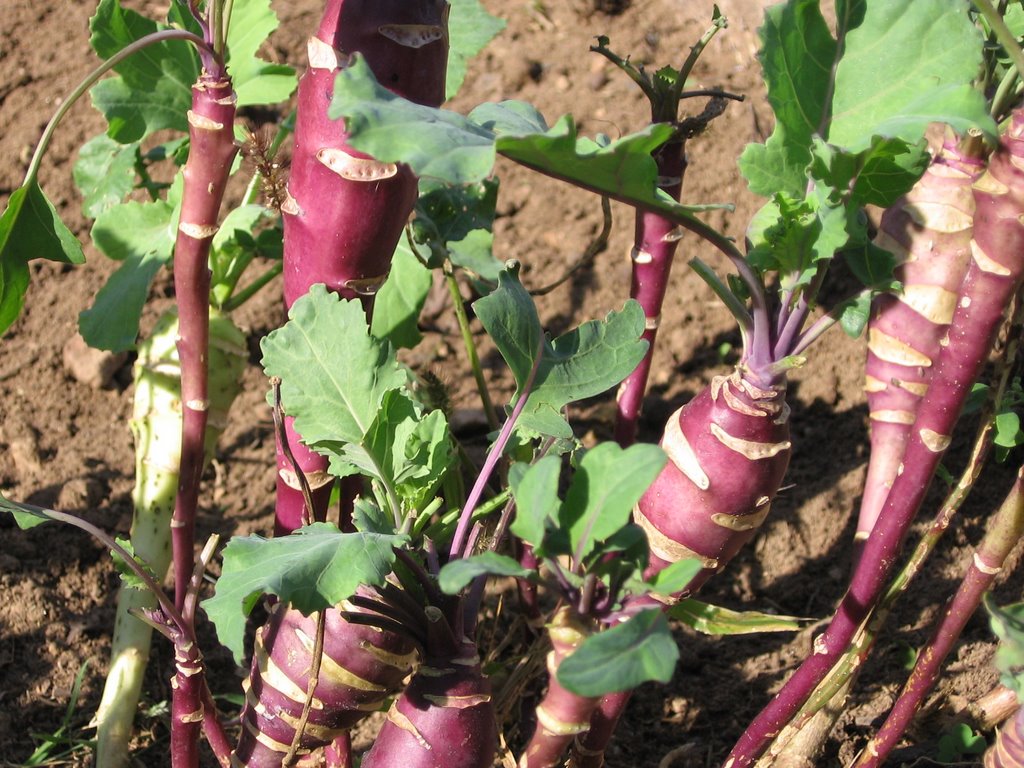
Like my beloved Nero di Toscana Cat Cabbage, purple kohlrabi is another one of those hardy vegetables that simply refuses to say die. These plants were direct seeded way back in March. The tiny seedlings
survived a hard frost and were soon offering up tender, nutrient-packed leaves that I happily tossed into early spring salads. In late May, I thinned out the row of plants to give the remaining ones enough room to mature. (I try never to thin anything until it is large enough to eat.)

Not long after that, cabbage worms attacked my purple kohlrabi and pretty much devoured the leaves for lunch. But they quickly grew back, not caring one bit about the summer heat and humidity they found upon their return. Then Cary discovered them, and she proceeded to nibble the tender little leaves down to nothing but nubs--day after day after day after day. By this point I had given up caring that the kohlrabi bulbs had gone beyond maturity and reached the woolly point, since the only way I really like to eat them calls for using the leaves as well--and obviously I had none.

I turned my attention to more edible areas of the garden, kicked Cary out of the garden, and the kohlrabi bed quickly filled up with weeds. I forgot all about my crop until I went into a weeding frenzy recently and was thrilled to discover that not only had the plants survived, but that while in hiding they had put on yet another batch of leaves.


More tender salad greens without lifting a finger!

Easily started from seed, tough enough to withstand burning sun and freezing cold (including 21 degrees F the other morning), virtually maintenance free, and doesn't take death for an answer--purple kohlrabi is definitely my kind of plant.


Realization #2:
The beauty of vegetables is highly underrated.

NOTE: This is my entry for Weekend Herb Blogging #55, a deliciously informative traveling event sponsored by Kalyn's Kitchen and hosted this week by Sher at What Did You Eat? Food and garden bloggers from around the world participate, and you never know what interesting new edibles you'll discover each Monday in the roundup. Check out the WHB rules if you'd like to join in the fun, and click here for the list of upcoming WHB hosts.

Tuesday, October 10, 2006

What's Growin' On: 10/10/06


Think Thin

Realization Of The Day:
This is one of those rare occasions when my garden gives me lettuce and tomatoes at the same time.

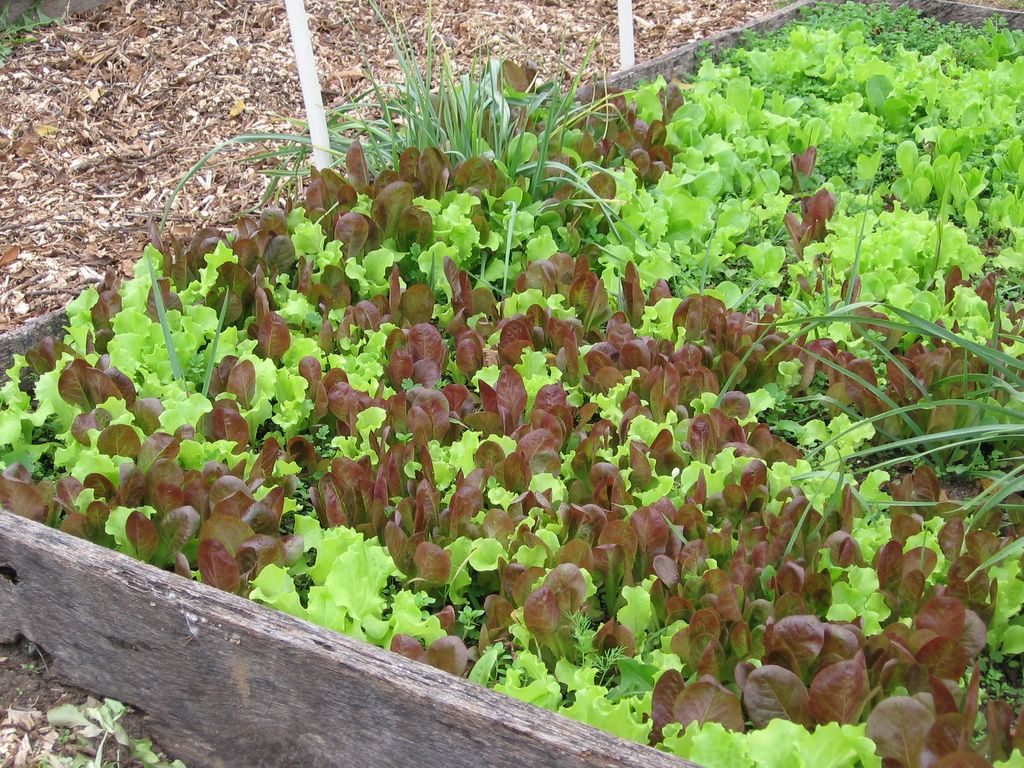
A cold snap (and probably a killing frost) are expected Thursday night, so I am savoring every luscious bite. The tomato plants (which have already halfway succumbed to the season) will be history, but lettuce will survive temperatures below freezing if covered with an old sheet, so I expect to be picking from this plot for several more weeks. If it is still producing once it starts getting really cold, I'll cover the homemade, inexpensive mini-greenhouse frame with thick clear plastic that is sealed up at night with simple clamps, then opened up during the day so the plants don't fry. (If the sun is out, any kind of greenhouse, no matter what size, will become extremely hot inside very quickly. Venting is always necessary. One day of forgetting, and you will most likely murder your plants. Click here and scroll down to the comments section to read more about my mini-greenhouse beds.)

This is a mixed bed of heirloom lettuces that I (very heavily) direct seeded back on August 31st. (Click here to read more). For some reason quite a few of the seeds didn't sprout (the photo doesn't show the big patch of baby weeds happily filling in the other end of the raised bed), but the ones that did came in thickly. I always wait until lettuce seedlings get about this size before I start to thin them. That way they become people food rather than chicken food.

Click here to learn how you can go from seed to salad bowl in less than a month (even if you don't have a garden).

Wednesday, October 04, 2006

What's Growin' On: 10/4/06


Freshly Picked

Welcome new visitors! Click here for a brief introduction to this site--and to learn why it's not just for gardeners.

Realization Of The Day:
Fall salad greens are gorgeous.

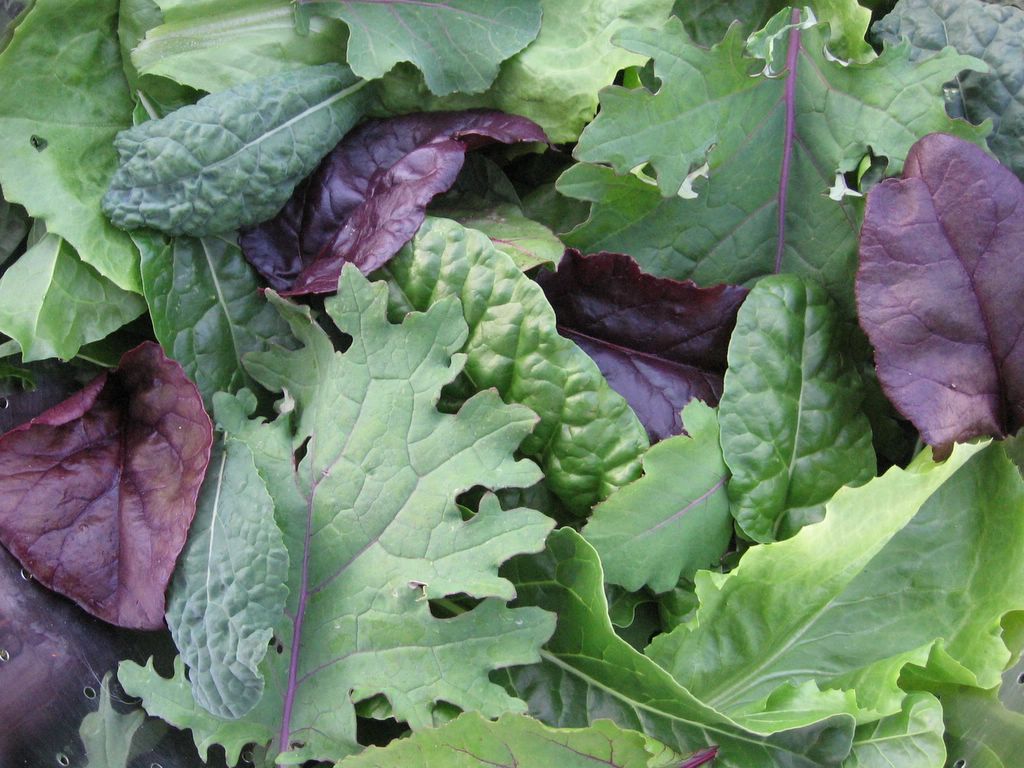
This mix includes Batavian Full Heart Endive, Red Russian Kale, Detroit Beet Greens, Bull's Blood Beet Greens (the dark reddish purple leaves), Swiss Chard, & Nero di Toscana cabbage. Everything was direct seeded back on August 8th. There are several other fall greens doing well in the garden and the greenhouse. Since I'm growing varieties that are both heat and cold tolerant, the crazy weather we've had these past few weeks (frost warnings follwed by a record breaking 88 degrees two days ago) hasn't killed off or harmed the plants in any way. Even the lettuce I started are heat tolerant varieties, but since the leaves are still so small, I doubt this brief heatwave would have turned them bitter even if they weren't.

Note: Due to some really irritating technical difficulties involving my dial-up connection and Blogger, I'm taking an unplanned break from blogging for a while. Until I get things straightened out, I will post periodically if and when I am able. Click here if you'd like more details.

I hope to be back blogging on a regular basis soon! In the meantime, if you don't feel like constantly popping by to see if anything new has sprouted here, I invite you to subscribe to In My Kitchen Garden via email. Just enter your email address in the box at the top right of this page and click on 'Subscribe Me!' You will then receive all new In My Kitchen Garden posts via email.

Thanks for all your support and wonderful comments over these past months. I'm so glad I started this companion blog to Farmgirl Fare, as I have really enjoyed sharing information and getting to know you and your gardens. And as we head into the slower pace of autumn, I look forward to catching up on all those things that went on in the garden this summer that I haven't had a chance to write about yet.