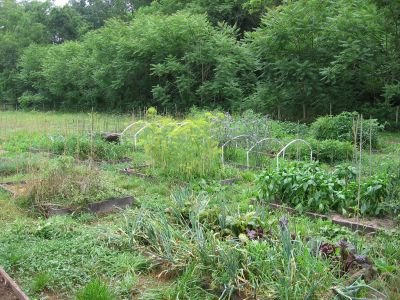
Tuesday, July 04, 2006

What's Growin' On: 7/4/06


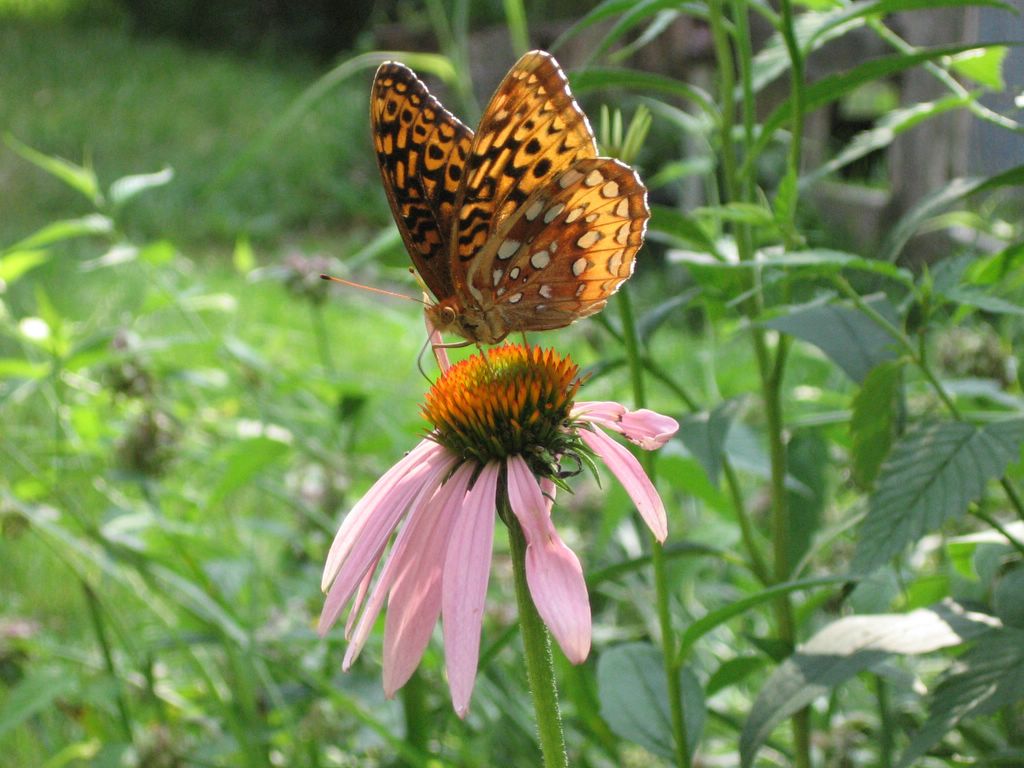
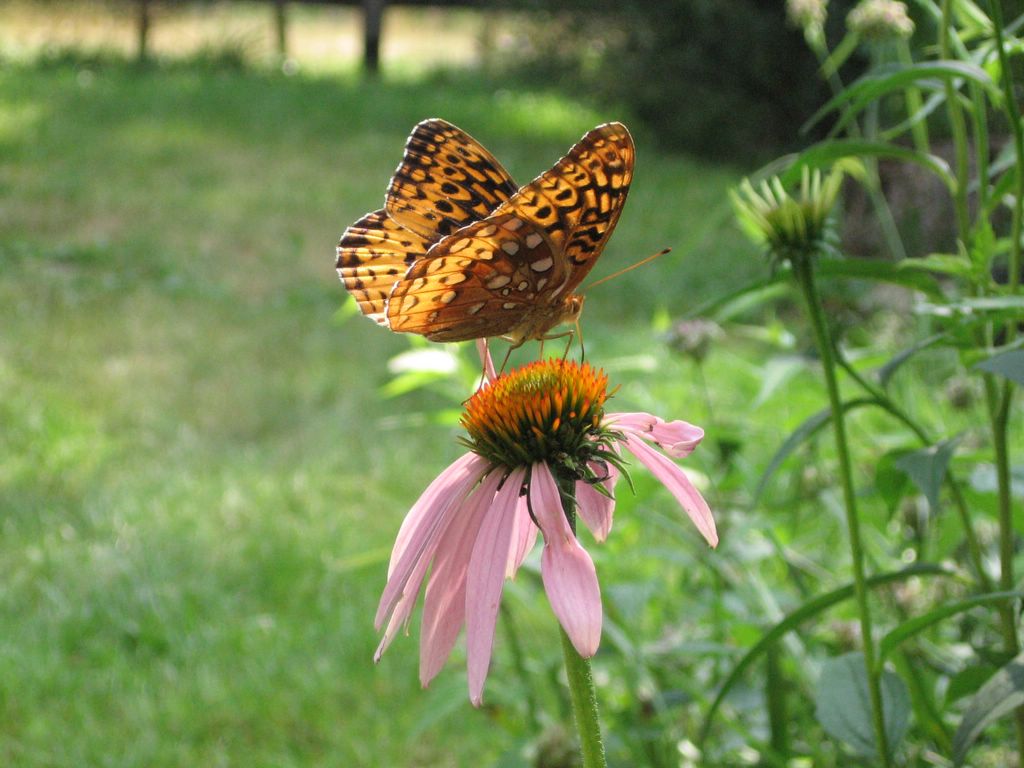
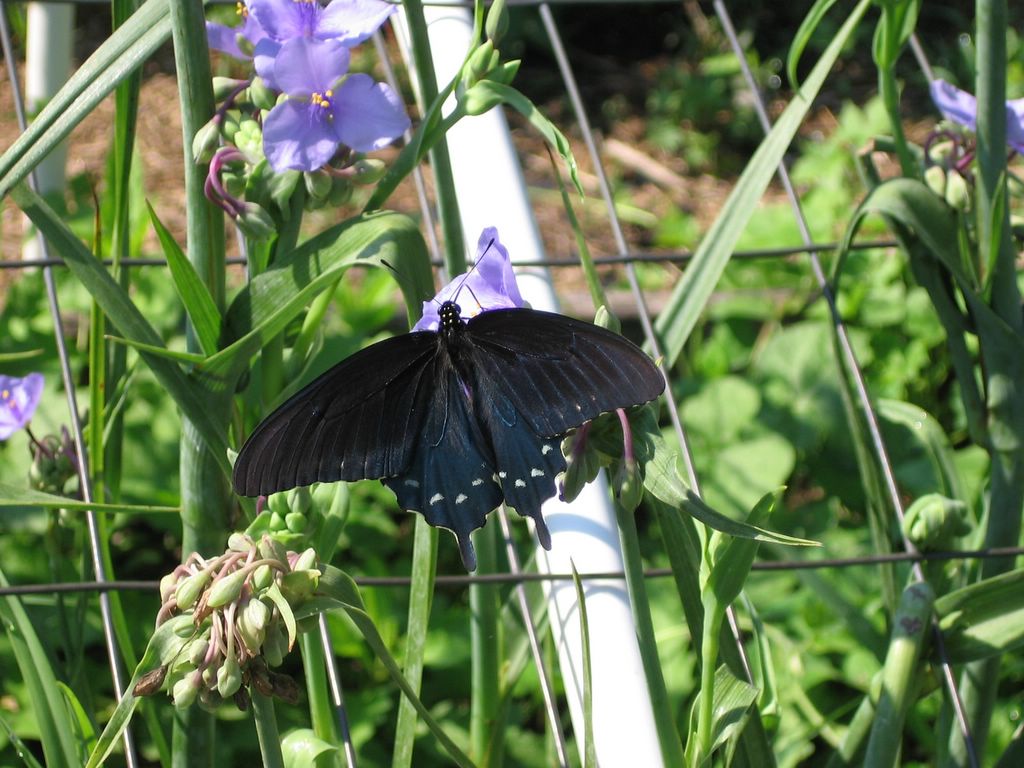
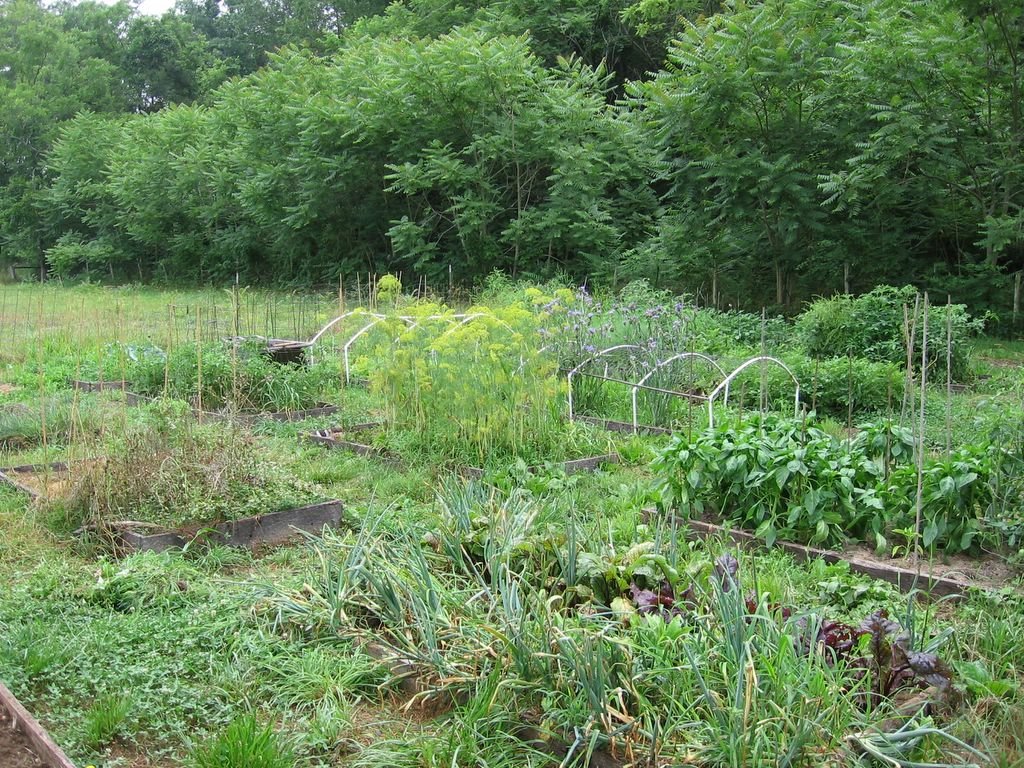
Red


White


And Blue (It's a mental color thing.)

Realization Of The Day:
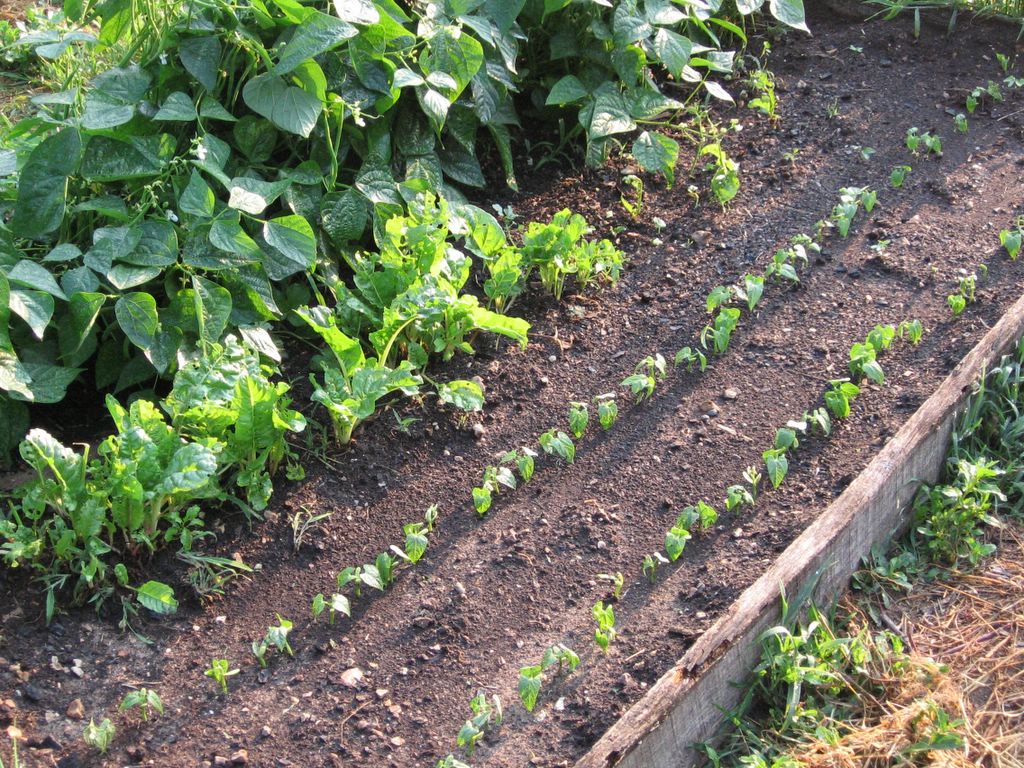
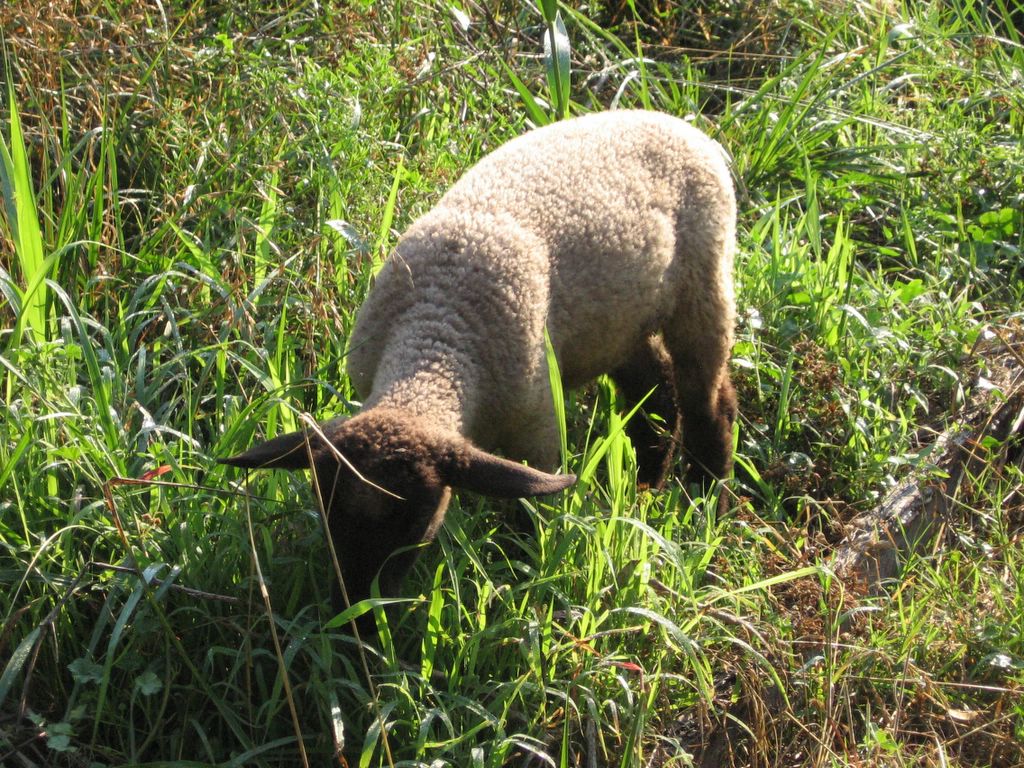
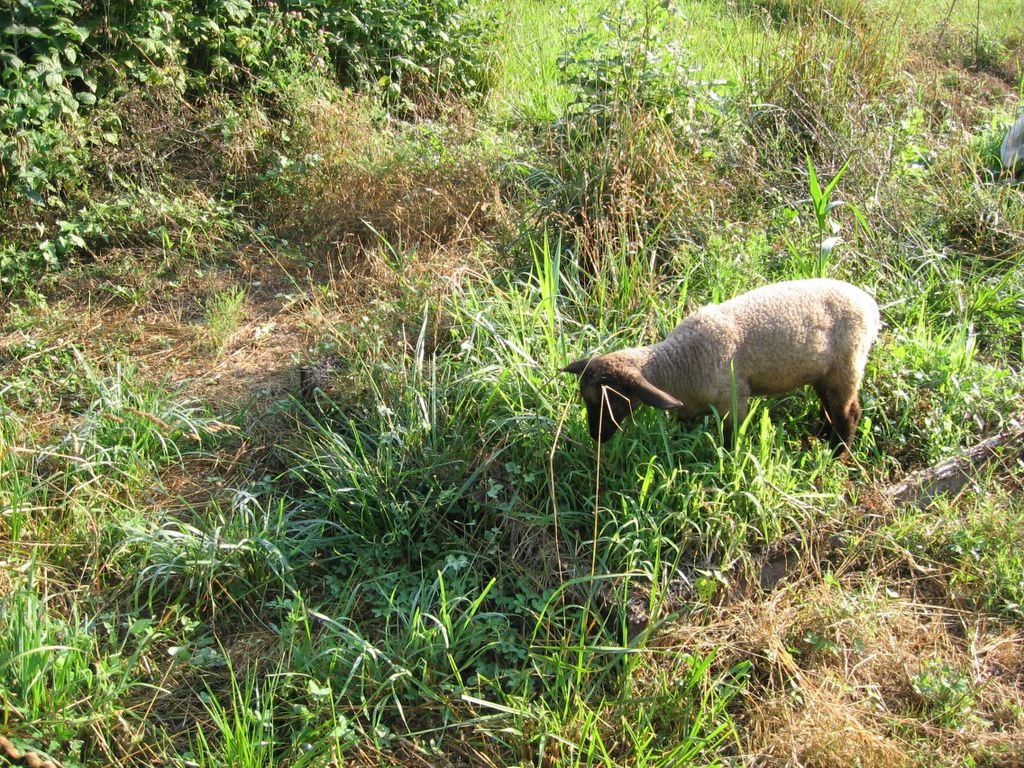
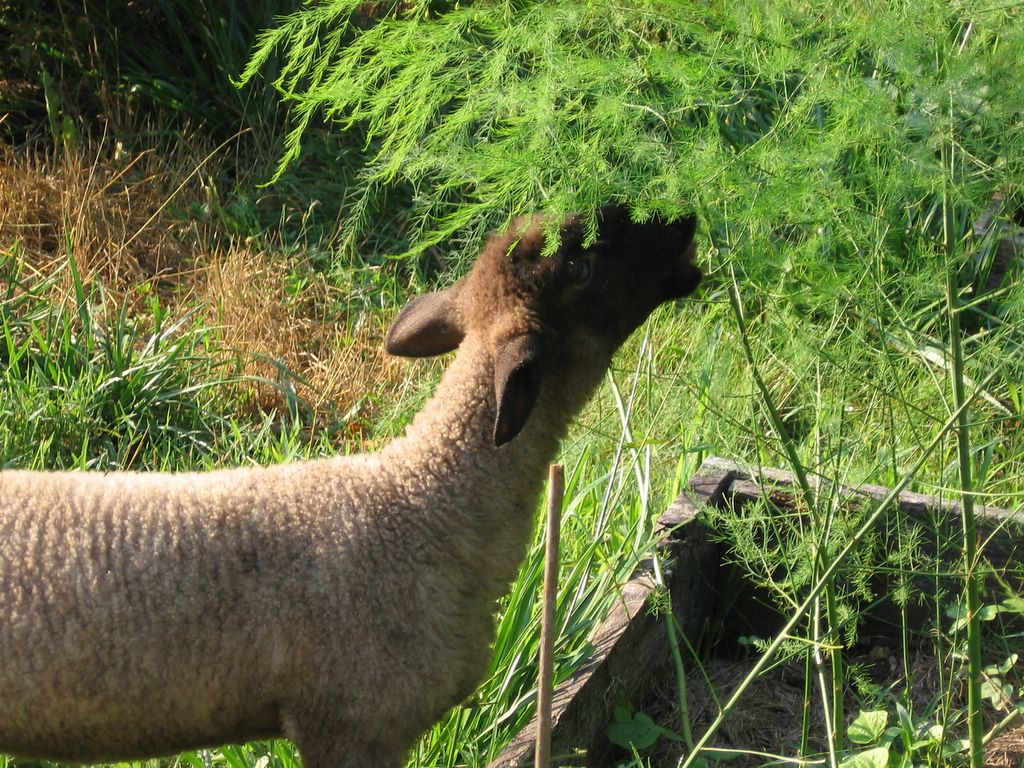
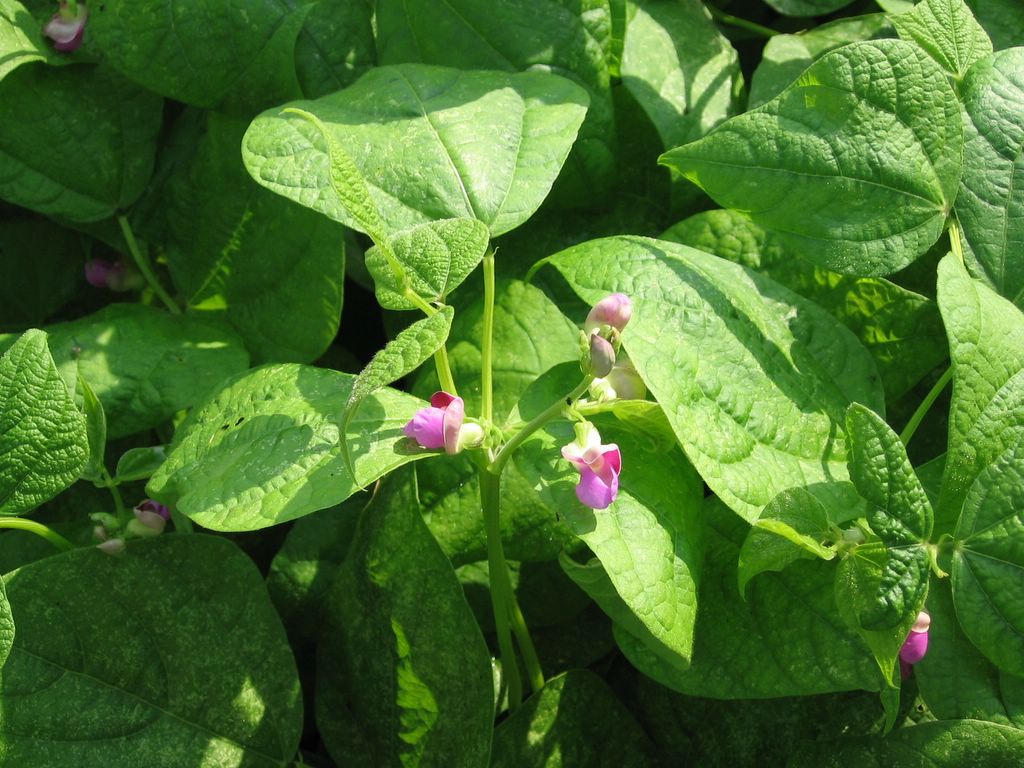
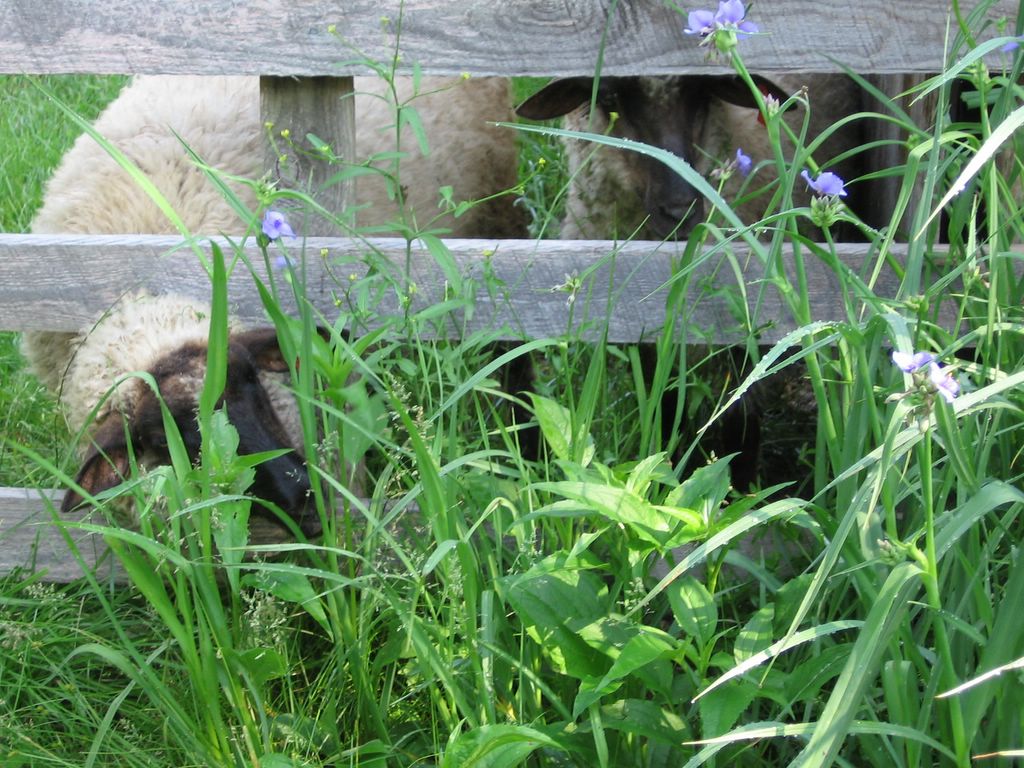
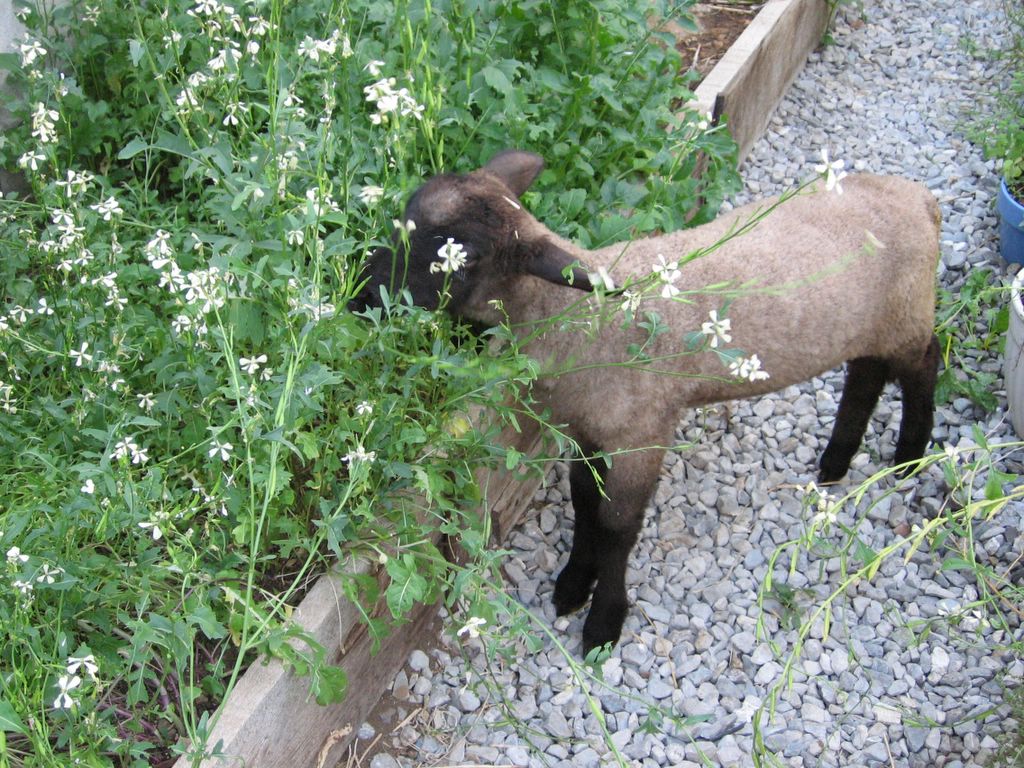
Little lambs like freshly sprouted beans for breakfast. Who knew?


Better Late Than Never

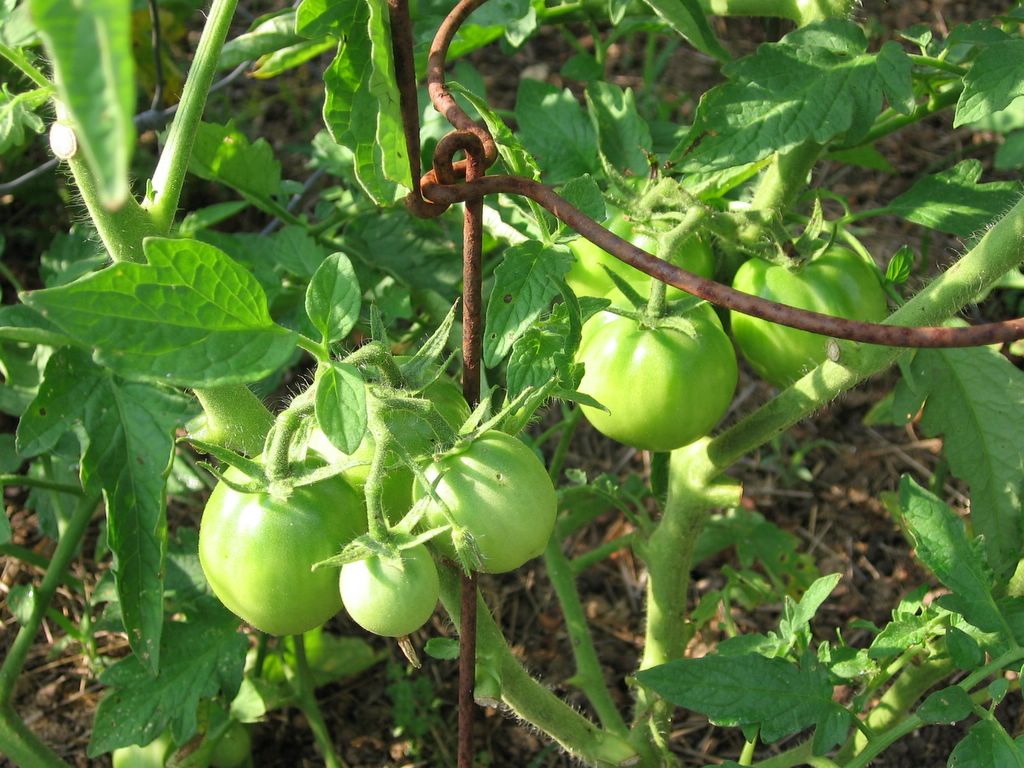
I stopped counting when the beansprout death toll reached a dozen. I think I've got the poor bean plot Cary-proofed now (though right after I put these wire tomato/lamb-away cages around it, I caught her happily trotting through one of them like it was a piece of playground equipment).

Happy 4th Of July to you!

Monday, July 03, 2006

What's Growin' On: 7/3/06


Realization Of The Day:
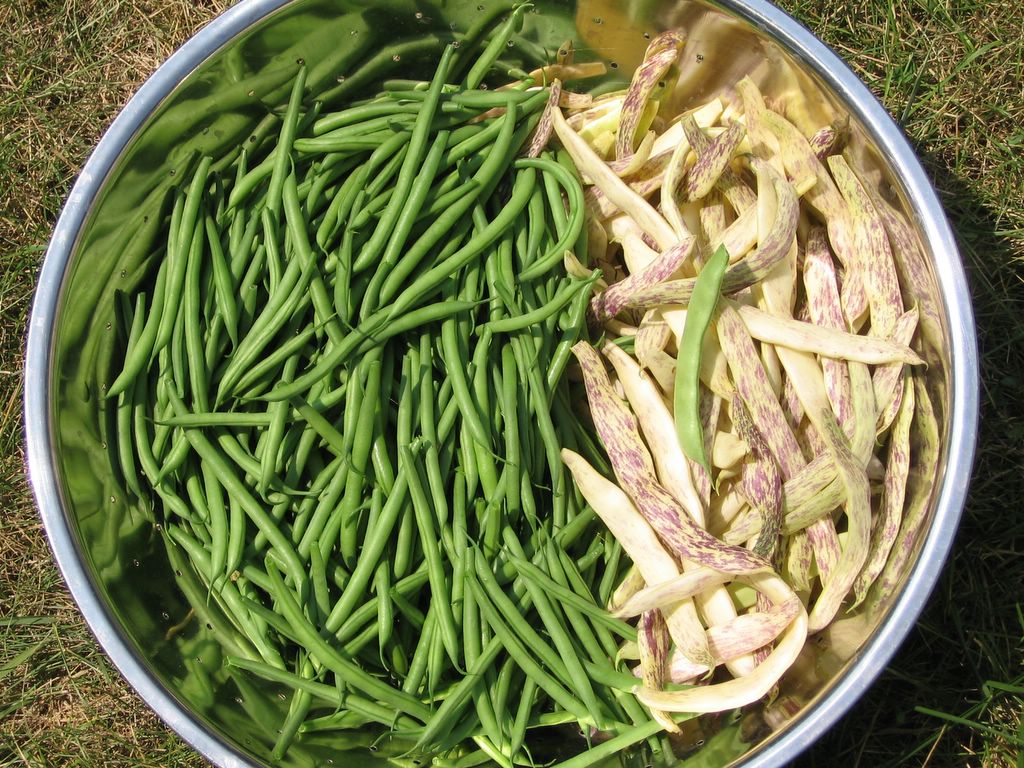
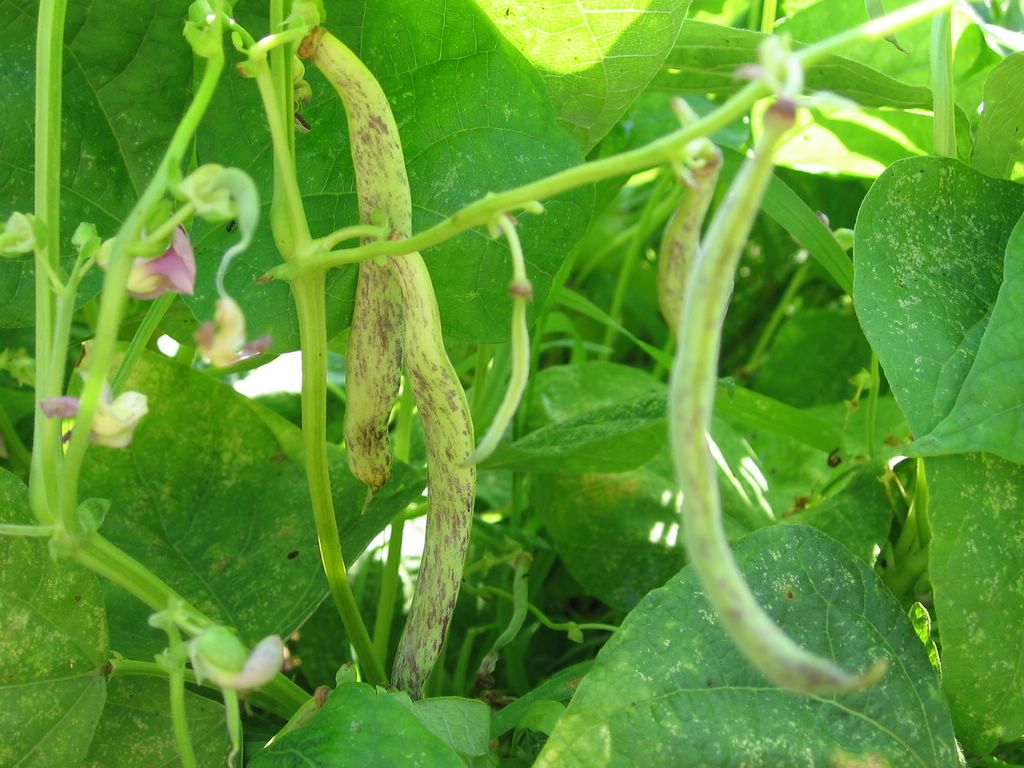
Beans hide in the bush. I had no idea these were all waiting for me when I went out in the garden to pick beans this morning (although I did bring the right size stainless steel colander--extra large).

I don't much care for the gorgeous Dragon Langerie beans when they are cooked, so they have all been tucked in the fridge to be chopped up for salads or simply munched raw--plain or dipped in dressing. They are one of my very favorite beans to grow--add them to a crudite plate and it suddenly looks as though the caterer just popped by.

Note To Self: I am the only one in the household who likes the dragon beans. I picked over 1-1/2 pounds today from an 8-foot row, and there are lots more where those came from. I really need to remember to do smaller succession plantings.

The Straight 'N' Narrow beans are a different story. What you see here came from one 8-foot row, and the plants are still heavy with blossoms and young bounty. But that is fine with me because I want to be able to pick a bunch at a time. The majority of them will be quickly blanched, cooled in an ice bath, sealed up with my FoodSaver, and then tossed into the freezer to be enjoyed when the weather is cooler, appetites are heartier, and the garden isn't in full swing (e.g. when they'll be much more appreciated). This isn't a hugely time consuming job, but it does take time to get the operation all set up, and that vat of boiling water doesn't cool things down any--so it's not something I want to be doing every other day for just a handful of beans.


And it looks like I won't end up having to wait all summer for the rest of my bean bounty--I guess the fourth or fifth (or whatever planting this one is) was the charm. Two more rows of Straight 'N' Narrow have happily poked up out of the soil. Now all I have to do is keep the deer and my ravenous rabbit away from them.

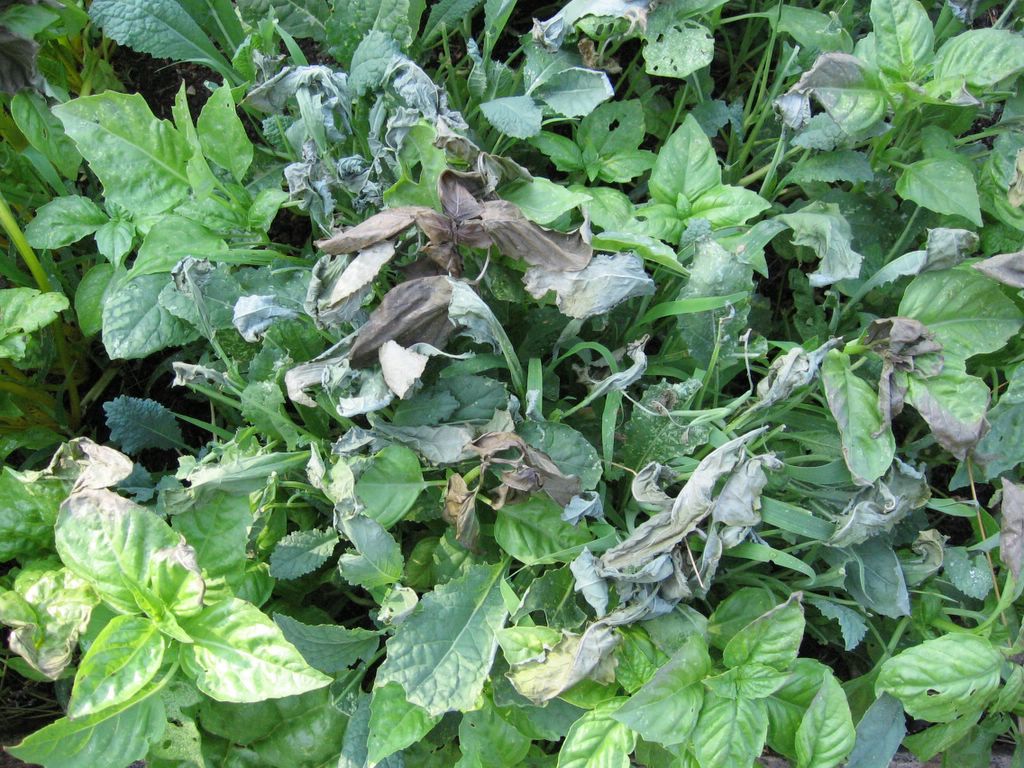
As you can see, that totally munched Swiss Chard has already made somewhat of a comeback, although now the bugs are having a go at it. Don't be in a rush to yank something out that you think is a goner. Unless you desperately need the space, leave it in the ground. Many plants are extremely resilient and unwilling to give up simply because they've been decimated. Last year I watched my Nero di Toscana literally turn into lace overnight--twice!--and yet I let the plants alone. Once the high season for worms was over, I had a lovely harvest of my own. I'll let you know what happens with this chard. I have high hopes for a full and tasty comeback.

Sources: I purchased both of these bean seeds from Pinetree Garden Seeds in Maine. I highly recommend the seeds and the seed company.

Realization #2:
If you hand pick bush beans for a living, you deserve a raise--or a higher price for your harvest.

Sunday, July 02, 2006

What's Growin' On: 7/2/06


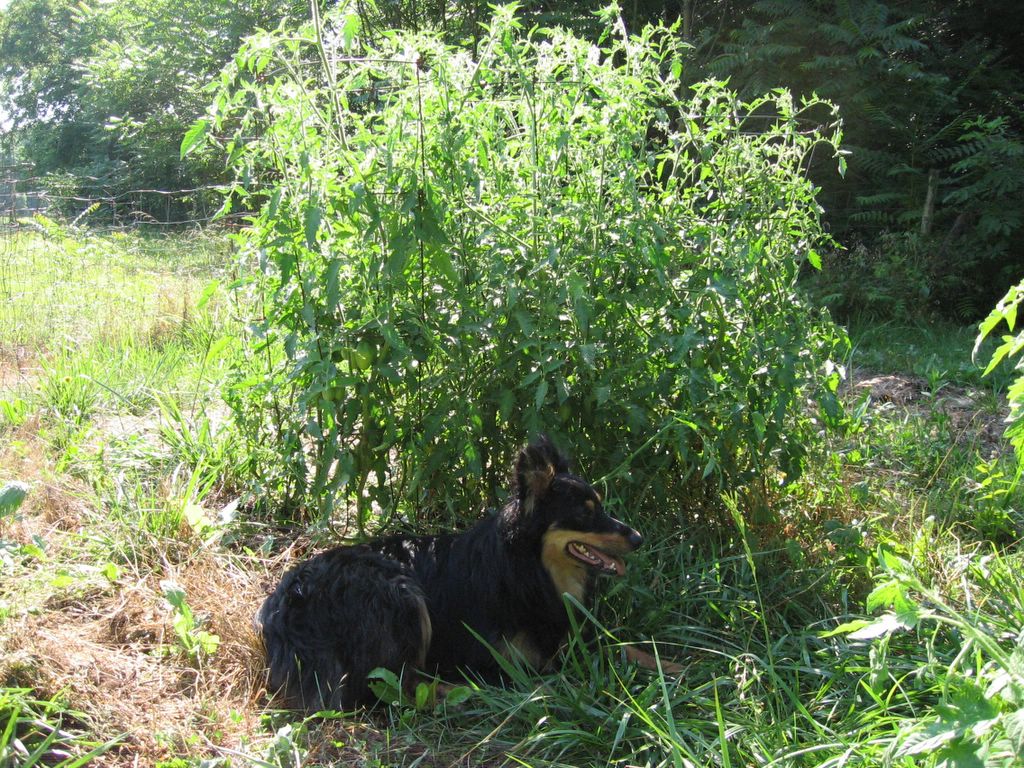
Bear Relaxes In The Shade Of The Giant Golden Roma Tomato Plants

Realization Of The Day:
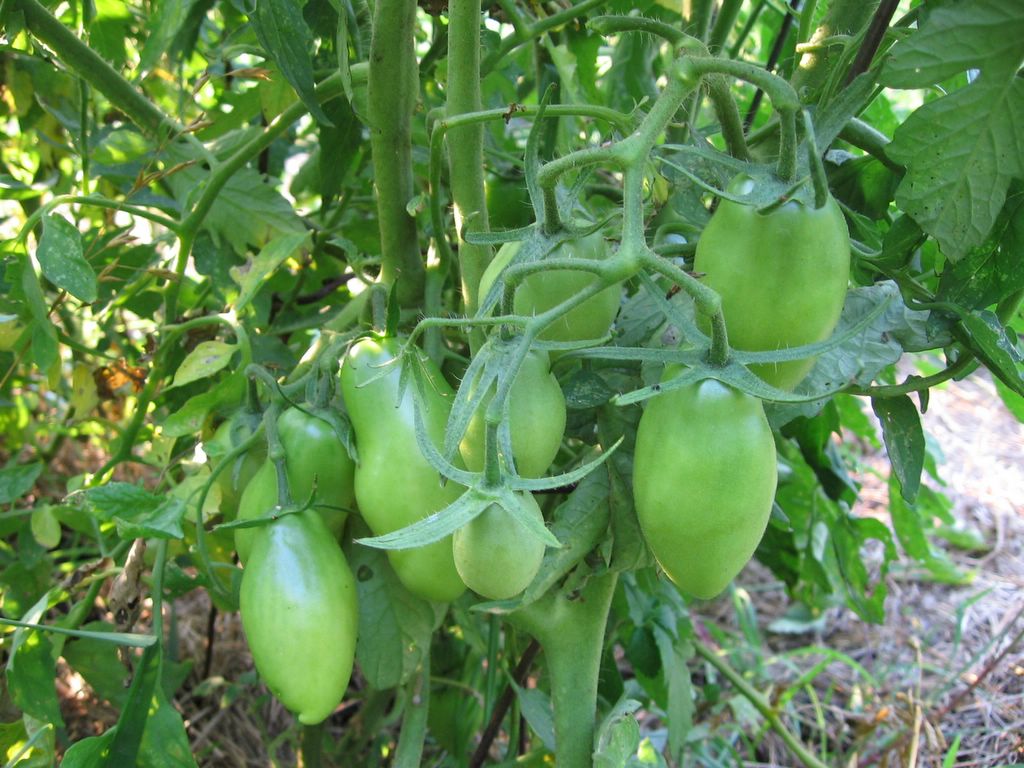
The mysterious Golden Roma tomato plants are looking fabulous. It's hard believe these happy, healthy monsters are the same pathetic seedlings I wrote about back in May. I'm so glad I didn't toss them into the compost pile, especially since I'm not sure how many San Marzano paste tomatoes I'm going to end up with this year, what with the garden identity crisis and all. It will be interesting to see what these tomatoes taste like.


The Plants Are Loaded With Fruits, Too

Compost & sheep manure--that's my Miracle Grow!

From Garden To Table:
Not much besides baby Swiss Chard & baby Nero di Toscana cabbage for salads--it's been too hot to eat, let alone cook. (This happens every single year.) But there are scads of gorgeous Straight 'N' Narrow and Dragon Langerie beans that need to be harvested now, my experimental spring green garlic is beyond ready to eat, and the first beets are practically screaming to be picked. Then there's all that beautiful volunteer basil that needs to be dealt with very, very soon. I'm going to have to start going to bed and then getting up and eating dinner at midnight once it's finally cooled down.

Rabbit Report:
That chomping, cotton-tailed cutiepie most definitely lives in my garden. I was out watering, admiring the Golden Roma tomatoes I'd just written about, and I turned around to see Cary and the bunny practically grazing next to each other! It did have the courtesy to hop through the fence and into the grassy area behind the garden, where it sat and sat and sat and then started casually nibbling on a blade of grass--totally ignoring all my attempts to frighten it away (mostly so I could get a photo of its little white tail). No response at all. I told you nothing is afraid of me. Geez, I even barked at it. (Which brought Lucky Buddy Bear out from his den under the house to investigate, and I swear he sat down right where the rabbit had been and laughed at me.)

Saturday, July 01, 2006

What's Growin' On: 7/1/06


The Basil SurvivedBeing Fried


Lemon Cucumber Plant Poking Out Of The Lettuce Bed I've Let Go To Seed


Realization Of The Day:
Volunteers are such wonderful gifts for the gardener. (Yes, even the zillions of morning glories.)

Friday, June 30, 2006

How To Use a Scuffle Hoe to Weed the Vegetable Garden - and Why I Love Mine So Much

My Thai pink egg tomato patch before. . .


And about 3 minutes after.

Years ago, I read a magazine article in which several well known gardeners named their favorite gardening tool. Someone, I forget who it was, said theirs was the scuffle hoe, which is sometimes called a stirrup hoe.

They went on to describe how it did a superb job of weeding with hardly any effort; you simply pushed and pulled the hoe just under the soil surface and voila! all your pesky weeds were severed at the base, while your surrounding plants and their roots went undisturbed.

I immediately longed for one. The ones I found for sale were pricey. I smacked the longing into submission and convinced myself that my life was totally complete despite its lack of a scuffle hoe.

Fast forward a few years to my first spring, complete with giant garden, in Missouri. I'm wandering around a small hardware store that's having a going out of business sale, and I spy a couple of scuffle hoes. They're simply made, don't even have a brand name, but are under five dollars each. Sold!

I take one home, attack a small patch of weeds with the oh-so-easy, push-pull motion, and watch in disbelief as my new wonder tool fails to do absolutely anything. I can practically hear the weeds and the salesperson laughing at me.

Fast forward several more years. For some reason I can no longer recall, I decide to dust off my scuffle hoe and give it another chance. That famous gardener had raved about it. If he was stranded on a desert island, all he wanted was that stupid, useless hoe.

And then I figured out why.

More below. . .

Thursday, June 29, 2006

What's Growin' On 6/29/06: Flying & Hopping


Realization Of The Day:
I am becoming a bit obsessed with butterflies. . .


. . .and bunnies.

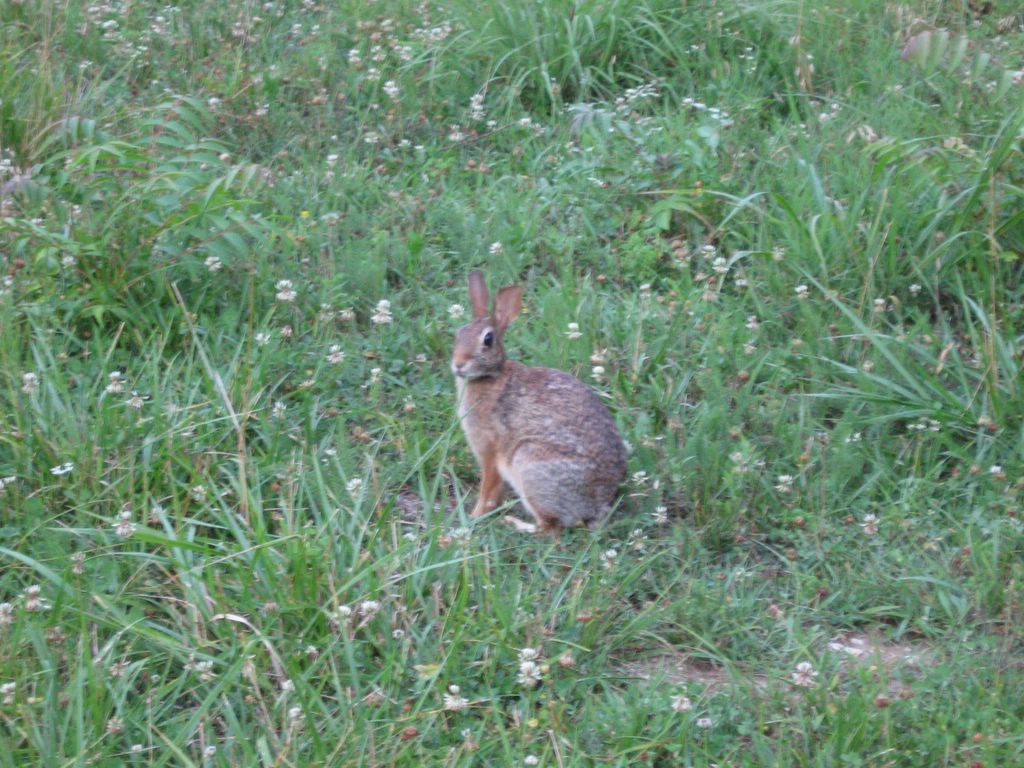
Butterflies are welcome in my garden. Bunnies--not so much. Unfortunately this little rabbit (which looks suspiciously like yesterday's rabbit) appears to have taken up residence. I saw it this morning and then again this evening in the garden. And naturally it is not afraid of me (because nothing is). This evening I had time to walk back into the house, grab the camera case I usually always have slung around my neck, walk back out to the garden, and take the following photos. They're not the greatest because the light was low, and the camera is set on auto everything.

Jeph wondered how I was able to get yesterday's furry invader to sit still long enough to get such a close shot of it. Well, if you saw the few other slightly blurry photos I took tonight besides these, you, too, would quickly realize that not only was this hare in no hurry to hop away, but that it was posing for pictures (before it went right back to eating). This is one brazen bunny.


I realize of course that bunnies in the garden are nothing new, and that even urban dwellers with tiny porch potagers are plagued with ravenous rabbits. I guess I'm just shocked that so many critters are attacking my tiny plot of planted space when I have two dogs (including a beagle who loves to catch and eat rabbits), and they have about two thousand acres to graze upon.

I had something totally different planned to write about today, but at the moment I don't have a clue what it was.

Check It Out!
A Farmgirl Fare reader asked me this morning about the source of my recent score of five gallons of locally grown, organic blueberries (some of which went into my Blueberry Breakfast Bars). My supplier is all sold out for the season, but I went online to see what I could come up with, and I hit upon a fabulous website called Pick Your Own--"where you can find a pick-your-own farm near you!" They have links to farms all across the U.S., plus lists of pick-your-own farms in several other countries, including Australia, Canada, Japan, New Zealand, and the United Kingdom. The site also includes all kinds of other information--everything from picking tips to canning instructions to recommended books. Check it out! (Note: I have noticed that many pick-your-own farms also sell already picked fruits and vegetables for those who don't feel like picking.)

From Garden To Table:
--First Dragon Langerie beans of the season! (Chopped up and tossed into a salad.)
--Baby Swiss Chard from the greenhouse (because the deer haven't found the door to it yet).
--Nero di Toscana cabbage (in above salad). It rallied back nicely after being fried the other day. I also learned from my foodie pal Clare at Eat Stuff in Australia that Nero di Toscana cabbage (which I knew was also called Black Palm Cabbage) has several other names as well, including Cavalo Nero, Black Kale, Tuscan Kale, Lacinato Kale, and Dinosaur Kale. I know, I know. I said cabbage and these say kale, but it looks like the same thing in the photo. I did do a google search for Nero di Toscana cabbage, but nearly all of the links were on my blogs! Anyway, click here to learn more about Cavalo Nero, which I'm pretty sure is my beloved Nero di Toscana. And if it isn't, please let me know.

Wednesday, June 28, 2006

What's Growin' On: 6/28/06


Munch.


Munch Munch.


Munch Munch Munch.

Realization Of The Day:
I don't think Cary is going to starve anytime soon.

Yes, these photos were taken in my garden. Yes, I grew all of those gorgeous weeds in that raised bed she is standing in (that you can barely see for the weeds) myself. Yes, this is one of those times I desperately try to adopt the attitude of that famous gardener who grows gourmet produce for Chez Panisse (and whose name I still cannot recall—anyone?) which is to just let nature take over your garden, even if that means you can barely see the food when you stroll through it.

From Garden To Table:
Yellow, red, and white onions diced, sliced, and chopped into everything.

From Garden To Mouth:
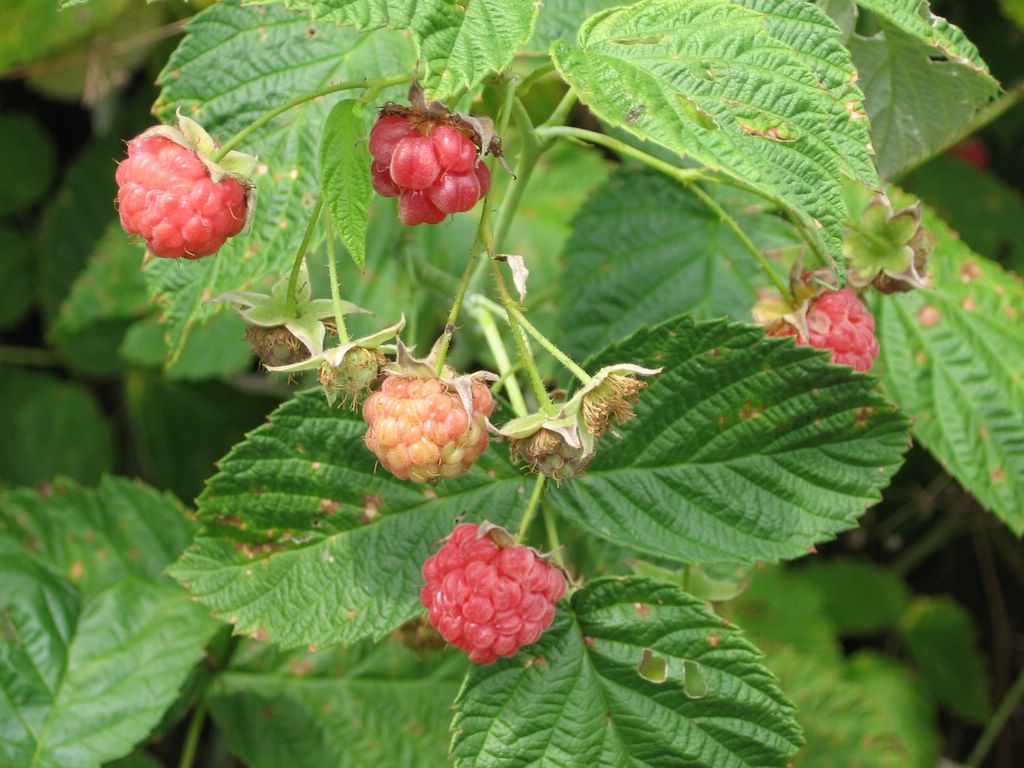
The first few ripe raspberries!


Busted Bunny Trying To Blend

From Garden To Voracious Trespassers:
Too much of my bounty! Why won't they eat the weeds?


From Garden To Cary:
Whatever she wants.

Tuesday, June 27, 2006

What's Growin' On: 6/27/06


Swiss Chard


Arugula

Realization Of The Day:
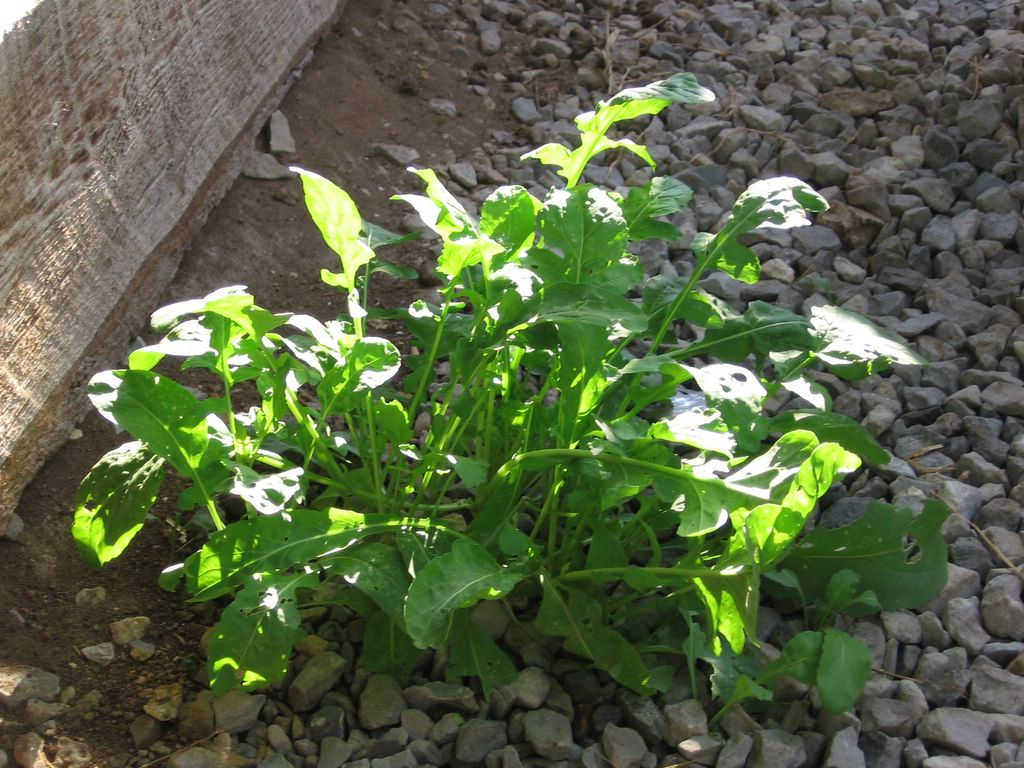
There is a salad growing out of the gravel walkway in my greenhouse.

If you didn't believe me before when I said how easy it is to grow arugula and other tasty greens, this should convince you. Click here to learn how you can go from seed packet to salad bowl in less than a month. Click here for a tasty way to use up all the arugula you're going to have soon.

Miscellaneous:
I'm not keeping up with my basic garden records as well as I'd hoped since starting this blog. But I am taking lots and lots of photos of the garden at its various stages--something I've never done before and that I am already finding fascinating. It's amazing how much happens in a month!

I am also behind replying to your emails and comments (here and on Farmgirl Fare), and for that I apologize. Someone recently asked me in a comment if I was really only one person. Unfortunately, yes I am. I could definitely use a couple of clones right about now (especially one who adores housework). But really, who couldn't?

Monday, June 26, 2006

What's Growin' On: 6/26/06


This is not a Dragon Langerie bean.


These are Dragon Langerie beans.


Yet both plants were grown from seeds out of the same packet.


And these are not San Marzano tomatoes.

Realization Of The Day:
My garden is having an identity crisis.

I have no idea what is going on with these beans, but at this point I do not care. The plants are beautiful and full of blooms and bounty. Only one other row of beans (the Straight 'N' Narrows) has come up in the garden this year, despite all of my various plantings. I did a little math and figured out I've had a 25% success rate so far with the beans. That sucks.

But I have not given up. No way. I am determined to have a frozen harvest in the freezer if it takes me all summer to get it. So today (a fertile day in the first quarter--click here if you want to know more about what this means) I grabbed every seed packet of beans I could find and did my fourth? fifth? whatever bean planting of the year. I covered all the bases. Hell, I even planted pole beans, and those of you who read about my sugar snap pea adventures know how fond I am of trellising. (See, I'm trying.) I already have the bamboo stake teepee thingie in place and everything. Now all I need now is for some damn beans to actually sprout. We could use some rain, too, so I guess tomorrow will be laundry day.

So here's what all that went into the ground today:
--Emerite Haricot Vert (Pinetree Garden Seeds, 2005 packet)
'Early [oops] and productive, stringless 5" to 8" pole beans. Flavorful. 58 days.'

--Straight 'N' Narrow Haricot Vert (Pinetree, 2006 and 2005 packets)
'Long shoestring beans with great flavor. 53 days.' (These are one of my all time favorite beans.)

--Sequoia Bush Bean (Pinetree, 2003 packet--don't worry, I sowed them really thickly)
'Beautiful, purple, romano-type. Good flavor. Prolific. 60 days.' (Okay, it's all coming back to me--I bought several packets of these in 2003 because they were fabulous, and it was the last year they were going to offer them.)

--Masai Bush Bean (Pinetree, 2005 packet)
'Large yields of 4" beans. Great for containers. 47 days.' (I've had really good luck with these before, though they aren't as tasty as the Straight 'N' Narrow. But at this point I'll take anything.)

As for the un-San Marzanos, well, that's a little trickier. I'm almost nearly absolutely positively 100% pretty sure I didn't mix up any seedling labels this year, so it must have been a cross-pollination problem last year (I save seeds from the best looking specimens each year).

The question is, do I yank out the several beautiful and healthy plants that are obviously not putting on the familiar teardrop-shaped plum tomatoes (but are loaded with some kind of nice looking tomato) so that this year's San Marzano seeds come out pure (we're talking the best of 10 years of saving seeds here)--or do I say the hell with it, take whatever tomatoes I can get this year, and worry about next year next year? I already pulled up two plants out of the San Marzano bed a few weeks ago before they even had fruit on them simply because the leaves weren't the same shape as the others. I did have replacement stock still kicking around, though they're awfully small compared to their neighbors--and at this point who knows what they'll turn out to be. That whole bed is a mess. Which is really odd because I've never had this problem before.

This is a difficult dilemma indeed, and I definitely don't have enough brain cells on duty at the moment to make a command decision. Besides, it's time to go tuck my Manure Factory Empire in the barn for the night.

9:45pm Update: Hmmm. Maybe being thrown to the ground and dragged around the barnyard several times by sheep who aren't in the mood for any wormer tonight, thank you, actually knocked some sense into me. If I am now thinking correctly, because all of the plants in the San Marzano bed have fruit on them now, it's already too late to stave off my possible tomato cross-pollination problem. The pollination has already occurred (duh). Pulling up the odd plants now would assure that future questionable blooms wouldn't be available for cross-pollination, but. . . Okay, now I really don't know what to do.

Sunday, June 25, 2006

What's Growin' On: 6/25/06


Realization Of The Day:
I water these happy little basil seedlings twice a day, and yet I can't seem to remember to move them from the greenhouse into the ground.

Realization #2:
The days may be longer, but they sure don't contain any extra time. Lots more to post--one of these days.

Saturday, June 24, 2006

Spiderwort! A Beautiful, Easy to Grow Flowering Perennial that Attracts Butterflies and Other Pollinators


Realization Of The Day:
I love spiderwort. The cheerful flowers open up early in the morning, so they're often one of the first things I see when I step outside.


I highly recommend spiderwort for anyone who loves growing plants that require virtually no maintenance, flower for weeks, survive crazy weather fluctuations including extreme heat and cold, and can mysteriously pop up 100 feet from where originally planted. (I never did get around to moving those three extremely healthy clumps that appeared in one of the mini greenhouse raised beds in the garden, but the flowers are beautiful.)


My first spiderwort plants were given to me when I moved to my first Missouri farm back in 1995 by a 76-year-old gardening neighbor who dug them up from her garden. This is the best way to get plants because they're already acclimated to your growing conditions. The spiderwort I have now was dug up and brought with me when I moved to this farm in 2000.


Pollinators also love spiderwort, and planting some is a great way to attract them to your garden.


No plant is perfect, and there are a few things about spiderwort I should disclose. The first is that the plants are fairly tall and do tend to spread, often crowding and shading out surrounding plants. It would probably do best in a place of its own.

When I do get around to moving the plants out of the mini greenhouse bed, I plan to relocate them somewhere where nothing else will grow. I'm betting they'll do just fine.

The mature plants also have a tendency, at least in my garden, to fall over due to high winds and heavy thunderstorms—and possibly dog attack, though I haven't caught them in the act yet. 2011 update: dogs, donkeys, cats, and chickens have all been busted knocking down the spiderwort, and yet year after year it continues to spread and thrive.

And finally. . .


Pollinators and I aren't the only ones who love spiderwort.

Have you ever grown spiderwort? Any stories, fun facts, or growing tips to share?

© FarmgirlFare.com

Friday, June 23, 2006

What's Growin' On: 6/23/06


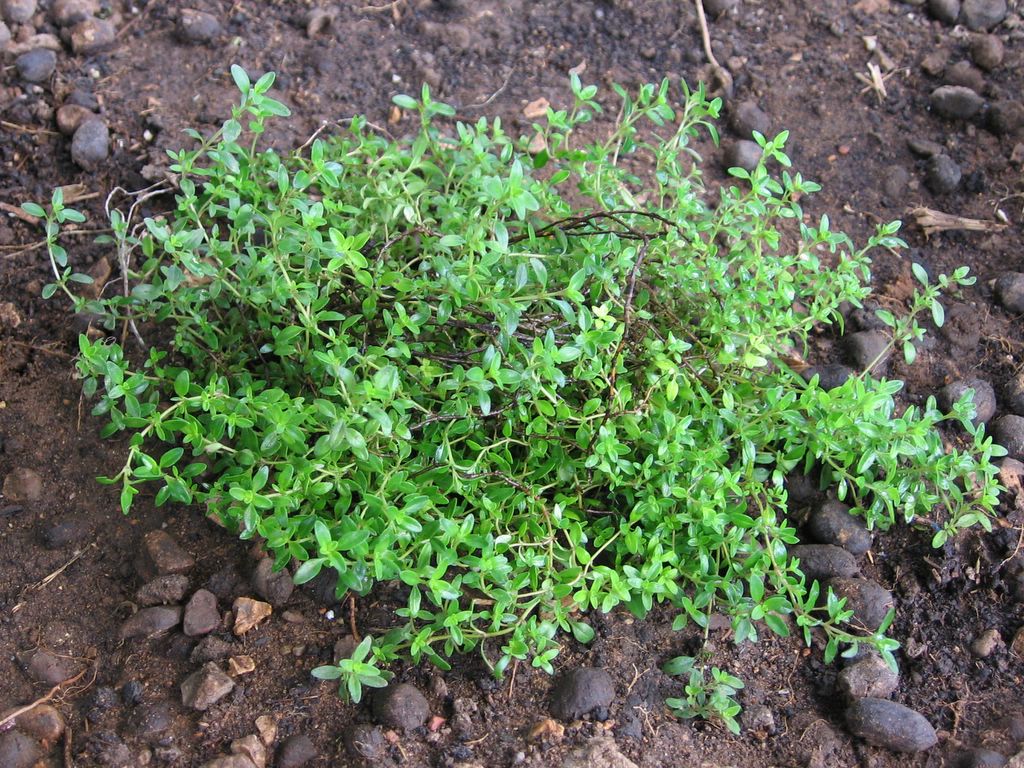
Newly Planted Lemon Thyme In The Greenhouse

Realization Of The Day:
I'm going to need a lot more lemon thyme.

A few weeks ago I posted a photo of some lemon thyme along with a request for suggestions on how to use it in the kitchen. I received so many delicious sounding ideas and recipes (click here to read them) that I transplanted one of my two pots of lemon thyme into a raised bed in the greenhouse in the hopes that it will spread all over the place.

I did taste it first to make sure I liked it. Several people said it went well with chicken, so I used some in my super simple herb and spice mix that I rub on chicken before roasting it. It was fantastic. I'll post the recipe soon. In the meantime, I'm looking forward to trying more of your recommendations.

There is, however, one thing that will never touch my lemon thyme. There was no way my pal Kevin (a professional chef who shares his talents in the kitchen over at Seriously Good) could have known that his seemingly innocent suggestion to add some lemon thyme "to sauteed sugar snaps" would bring back a long forgotten garden memory. And it was timely, too, as gardeners everywhere are celebrating their beautiful harvests. Click here to find out why, 11 years later, I still don't plant sugar snap peas in my garden.

Harvesting Sugar Snap Peas In The Trenches


My Garden Today: Not A Single Snap Pea In Sight

Experimenting in the garden can be exciting and rewarding. The boring gardener is one who contentedly cultivates the same reassuring standbys year after year, reluctant to take a chance, intimidated by the unknown. Pass the zucchini and cherry tomatoes please--no purple bush beans or Spanish black radishes for these cautious souls! The adventurous gardener, on the other hand, is a daring thrill-seeker, willing to try growing anything at least once. To him or her, a packet of unfamiliar seeds is the first step of a bargain-priced journey into unexplored territory. Of course if you have no idea what you are growing, you might find yourself in a bit of an entanglement.

When I moved to Windridge Farm in 1995 and my kitchen garden suddenly grew from one 7-foot x 25-foot plot to twenty 7-foot x 25-foot plots, the possibilities seemed endless. I went crazy and ordered dozens of types of seeds: vegetables I had always dreamed of growing, herbs I had read about in books, exotic produce from the pages of glossy gourmet cooking magazines. It was a fascinating and educational season as I harvested kohlrabi, escarole, arugula, celeriac, and many other tasty things for the first time. For the most part I did not encounter any major difficulties, even from the plants with which I was completely unfamilar. No, the only complications sprouted from an unassuming little packet simply labeled Sugar Snap Peas.

The only thing I knew about peas was that they could be planted early, so I carefully placed the shriveled little bits in the ground before anything else. As I waited for them to emerge, I tried to imagine the first ambrosial bite from the garden. That got me wondering just exactly what I was growing. I decided to ask around.

"So, do you know what sugar snap peas are?" I would casually insert into conversations. Such a simple question, such pathetic answers. The responses ranged from, "Sure, the company I work for sells frozen packages of those. They're uh. . .uh. . ." to a very emphatic, "I hate peas." I was clearly on my own.

The spring days were sunny and warm, and my pea seedlings quickly began shooting up. Straight up, and up, and up. Then they started to fall over. Something was obviously missing, and I realized it was a support system. Never a big fan of trellising and all that complicated stuff (my one short skirmish with pole beans had been a dismal failure), I realized that I had inadvertantly planted something that would require me to erect some sort of vertical structure. Oh joy.

Unenthusiastic but determined to assist my first crop of the year, I looked around the farm for a creative and cheap solution and found it in fencing supplies and a ball of string. I decided I would place 6-foot metal fenceposts at each corner of the plot and then run 48-inch high woven-wire fencing along the two longest sides. The peas were planted in short rows perpendicular to the fencing, so I would tie pieces of string to the top of each fence, suspending them over the rows. Then to the main string I would tie shorter pieces which would hang down to each plant. All I would have to do is wrap the plants' tendrils around the string, and simply let string and vine hold each other in place. It was a brilliant idea, and I executed it magnificently, a true testament to simplicity and resourcefulness. Even my husband (who had offered to build me a "real" trellis) was impressed. The peas grew like mad and were soon covered with beautiful white blossoms.

Everything looked great--for about a week.

Since I had only put fenceposts at the ends of the 25-foot long plot, the woven wire fencing was a little loose. I really didn't see it as a problem; I was supporting peas, not trees. Yeah, right. The taller those vines got, the more they pulled down the strings. Soon my 48-inch high fencing was about a foot and a half off the ground. The vines didn't stay put on their individual support strings either; instead they lashed out their tendrils toward anything they could grasp onto and grew in all sorts of directions, including back down toward the ground. Add all of this to the fact that I never took harvesting into consideration (only 48 inches high--what was I thinking?), and you have a hopeless mess. So I did what any sensible gardener would do: I ignored it.

It is hard to ignore perfectly edible food when it is hanging on the vine and filling you with guilt every time you pass by it though, and after a while I realized that somehow I would have to pick those peas. But first I managed to prolong the task for another two weeks by utilizing the rationalization that if I waited for all of the peas to mature, I would only have to harvest once.

When it got to the point where the massive pods were practically bursting open, I grabbed a basket and my creative ingenuity and headed out to the garden. First I tried leaning over the woven wire fencing and simply grabbing whatever I could reach. Unfortunately that amounted to only six pods and the very real image of falling into the rampant foliage and never being able to climb out. No, I would have to somehow get inside that plot. I went over to one end and crouched down to examine the available crawl space between the strings and the ground. Things looked promising so I got down on my hands and knees. Not that much space. I lay down flat on the ground. Better. I tossed the basket into the green mass ahead and began to drag myself along with my elbows.

Did I mention that it had recently rained? Or that I had never gotten around to mulching the peas, and weeding, of course, had been impossible? As I inched along, I felt like I was in some bad war movie or military training exercise. I was deep in the battle trenches, but my only enemy was the fool who had contrived this idiotic trellis system--me.

Three feet in and I was face to face with big fat pods. Ten feet in and I was stuck. As I tried to untangle the tendrils from my long hair, I realized I had not fomulated a "back up" plan. I thought about cutting my way out but did not have my clippers. While I harvested I came to a decision; I would sacrifice the pea plants. I raised myself up and pushed my way out, arms and legs flailing, tendrils breaking, peas flying. But at least I was free.

I ended up with about five pounds of bounty, and as I tried to figure out how to prepare it, I came to a disappointing realization: I don't really like sugar snap peas. The fact that they had gotten way too big didn't help the taste either. Unwilling to toss them out after all that effort, they were relegated to the back of the refrigerator where they sat for weeks until the space was needed for something else. I took the by-then-slimy peas and gave them to the sheep. They refused to come near them, and so I gathered up my first crop of the season and threw it into the compost pile.

I still believe in taking risks and trying new things in the garden, though now I usually do a little bit of research before planting. And I never venture into the plots without my battle fatigues--it's a war zone out there.

This essay originally appeared in the Spring 1997 issue of Germinations. Copyright 1997-2006 FarmgirlFare.com.
Thursday, June 22, 2006

What's Growin' On: 6/22/06


Fried Food--Still In Shock View


Letting Out A Muffled Cry View

Click on photos for close-up Full Blown Sobbing Views.


Realization Of The Day:
Oriole Orange chard, Nero di Toscana cabbage, and basil don't like it when you cover them with a deer deterring plastic tarp for the night and then forget about the tarp until late the next day--especially when it is 90 degrees and very, very sunny outside.

Blogger is not cooperating today, and neither is my dial-up connection. As I mentioned on Monday, I have all kinds of interesting posts lined up, but for now I guess I'd better head back outside. Too bad--blogging usually gives me a great excuse to hide out from the heat in my little office (which is the only air-conditioned room in the house). Hmmm. Looks like I'd have to sign off anyway, as I just spotted wayward Martha and her twins in the hayfield, and some very loud, non-stop thunder has begun. Maybe it will cool down and we'll get some much needed rain.

Tuesday, June 20, 2006

What's Growin' On 6/20/06: Preparing to Burst Into Color


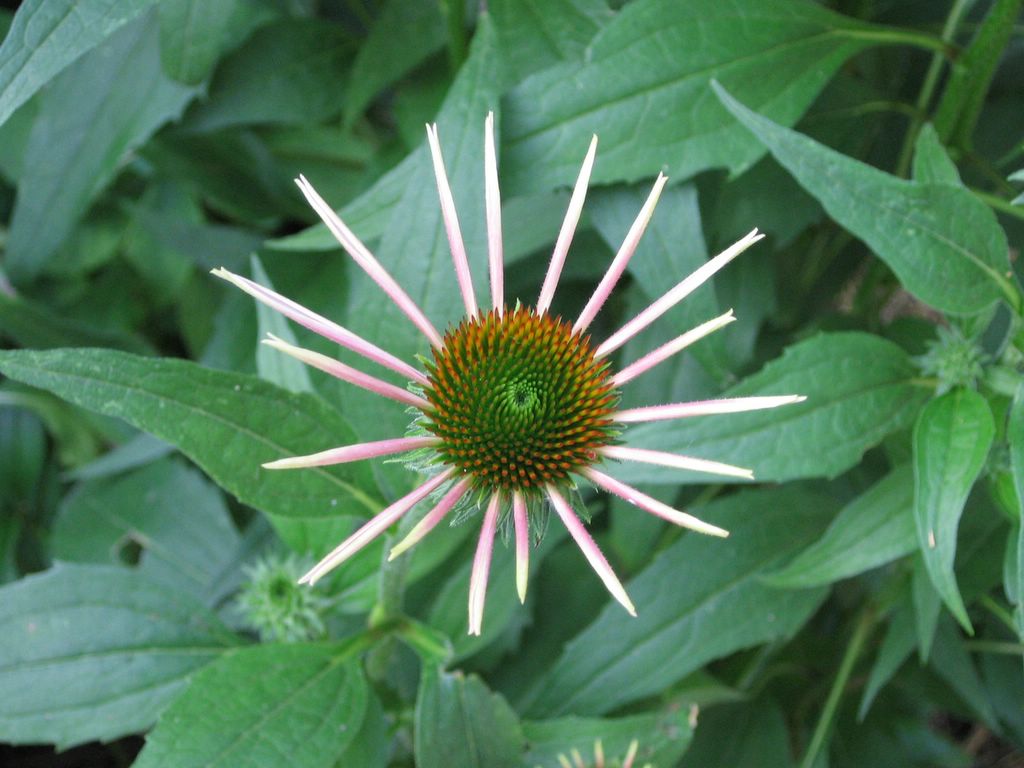
Echinacea Flower

Realization Of The Day:
I've never really looked into the center of an echinacea flower at this early stage of bloom before. It's absolutely mesmerizing. (Click on the photo for an enlarged view.)
Monday, June 19, 2006

What's Growin' On: 6/19/06


Cary Lunching In The Greenhouse

Realization Of The Day:
The best tasting part of arugula is apparently the flowers. Who knew?

Coming Up
Lots and lots to share, including another gardening tool (along with something else) I absolutely "Can't Live Without," three quick and easy recipes that make delicious use of what's ready to harvest now, what I've been up to in the garden, my Gardening On The Cheap tomato cages, a few new garden stuff discoveries, and more (including that promised article on using grass clippings as mulch). When? Soon! (I hope.)